Science & Humanities
-
ABOUT THE DEPARTMENT
-
Message from the Head of the Department
-
our Vision & mission
-
Program Outcomes
-
Faculty
-
Self Learning
-
Infrastructure
-
LEAP
ABOUT THE DEPARTMENT
The Department of Science and Humanities at Prince Shri Venkateshwara Padmavathy Engineering College (PSVPEC) serves as the cornerstone of all undergraduate engineering programs. It provides students with a strong academic foundation through core subjects such as Mathematics, Physics, Chemistry, and English, while also introducing them to fundamental engineering practices and ethical principles.
This department plays a crucial role in helping first-year students transition smoothly into the engineering stream by fostering analytical skills, scientific inquiry, and effective communication.
Key Features:
- Highly experienced and qualified faculty across disciplines of science, mathematics, and humanities.
- Personalized mentoring and student-centric teaching practices.
- Emphasis on soft skills, communication, and value-based education.
- Regular bridge courses, aptitude training, and skill-building sessions.
Laboratory and Practical Exposure:
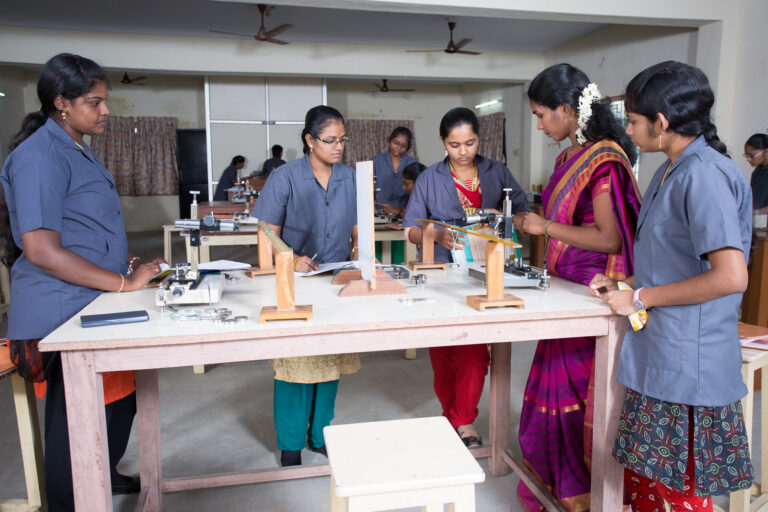
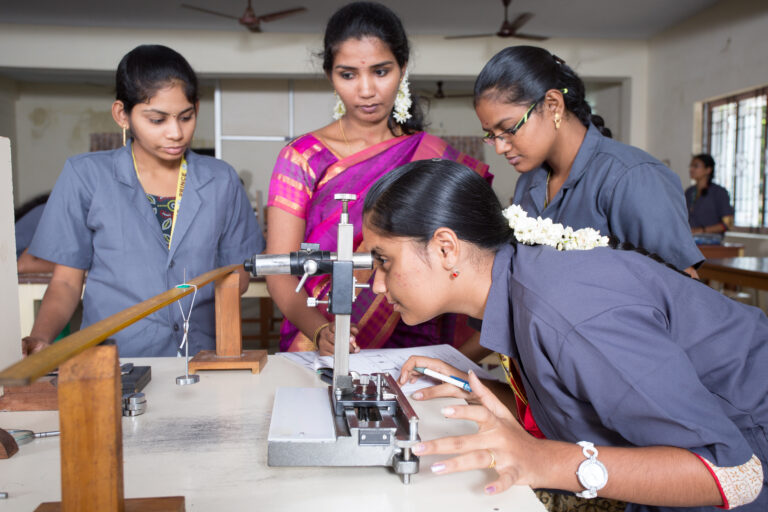
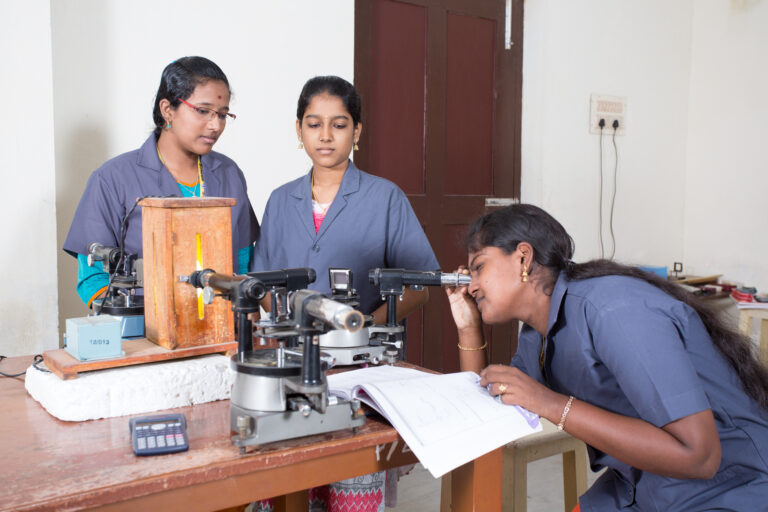
- Physics Laboratory: Well-equipped to explore principles in optics, mechanics, electricity, and materials.
- Chemistry Laboratory: Enables hands-on experiments relevant to industrial chemistry and environmental studies.
- Language Laboratory: Digital lab to improve pronunciation, fluency, and interpersonal communication skills.
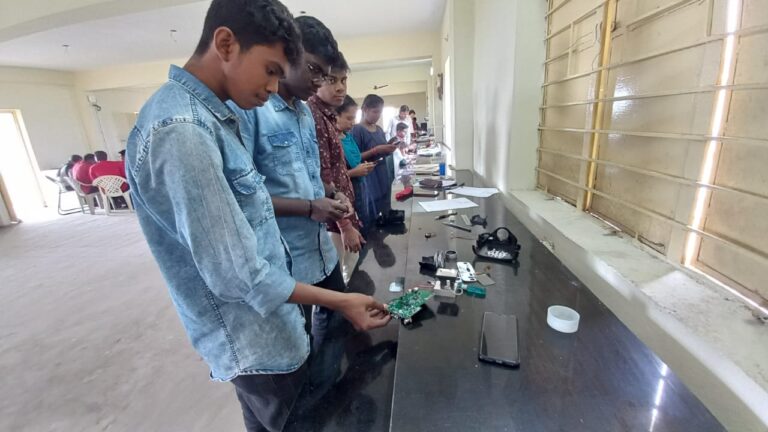
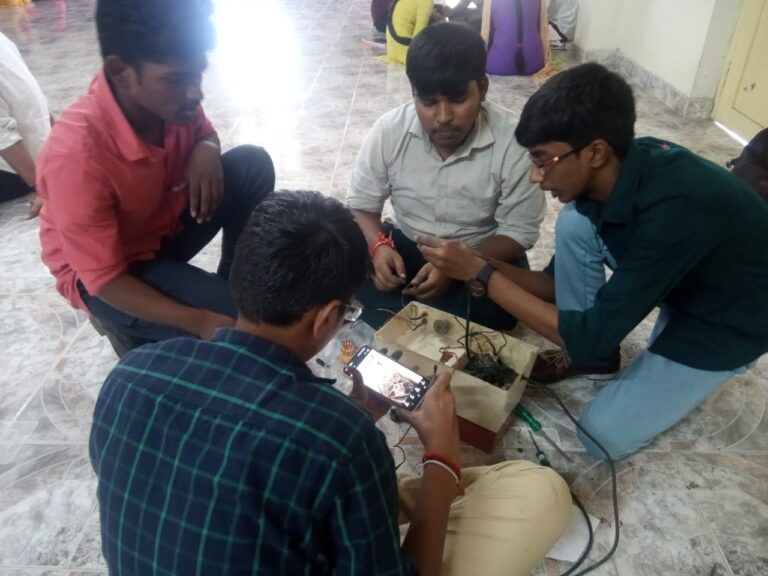
- Reverse Engineering Laboratory: Introduces students to the process of deconstructing and analyzing engineering components to understand product design and development.
- Mechanical Workshops: Hands-on sessions in carpentry, fitting, welding, and smithy provide practical experience in fundamental mechanical processes and tools.
Highlights:
- Interdisciplinary teaching that links scientific concepts with real-world engineering applications.
- Workshops, seminars, and guest lectures conducted regularly to enhance academic engagement.
- Value-added sessions on ethics, environmental sustainability, and personal development.
- Regular assessments and counseling support to monitor academic progress.
The Department of Science and Humanities ensures that every student is intellectually prepared, ethically grounded, and technically curious, thereby creating a solid platform for their future engineering success.
Message from the Head of the Department
Science & Humanities
Greetings!
It gives me great pleasure to welcome you to the Department of Science and Humanities at Prince Shri Venkateshwara Padmavathy Engineering College. Our department serves as the academic foundation for all engineering disciplines, nurturing young minds in their first year of study and preparing them for a successful engineering journey ahead.
We are committed to building a strong base in fundamental sciences—Mathematics, Physics, Chemistry, and Communication—through an integrated approach that emphasizes not only academic excellence but also ethical values, innovation, and personal growth. We believe that the first year is not just a transition phase, but a transformative one, where students develop the mindset and motivation to become future engineers, researchers, and responsible citizens.
Our department takes pride in offering well-equipped laboratories including the Physics Lab, Chemistry Lab, Language Lab, Reverse Engineering Lab, and Mechanical Workshops to ensure experiential learning. With the support of our dedicated faculty, we encourage students to explore, experiment, and evolve.
At the Department of Science and Humanities, we are not only focused on shaping intellectually sound individuals but also fostering human beings with integrity, discipline, and a passion for lifelong learning.
Wishing all our students a meaningful and enriching academic journey.
Warm regards,
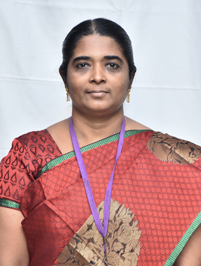
Dr. P. Sharmila
Professor &Head,
Department of Science and Humanities
Prince Shri Venkateshwara Padmavathy Engineering College
Our Vision & Mission


Vision
To be a prominent institution for technical education and research, meeting global challenges and societal needs.

Mission
- To develop the necessary resources and infrastructure, and to create a conducive environment for the teaching- learning process.
- To nurture professional and ethical values in students, and to instill in them a spirit of innovation and entrepreneurship.
- To inspire students with a passion for higher learning and research, and to prepare them to tackle global challenges.
- To provide students with opportunities to acquire the additional skills needed to become industry ready.
- To interact with industries and other organizations to facilitate the transfer of knowledge and expertise.
Quality Policy:
Achieving excellence in technical education, research and consultancy through an outcome-based curriculum focused on continuous improvement and innovation by benchmarking against the global best practices.
PROGRAM OUTCOMES
-
Engineering knowledge: Apply the knowledge of mathematics, science, engineering fundamentals, and an engineering specialization to the solution of complex engineering problems.
-
Problem analysis: Identify, formulate, review research literature, and analyze complex engineering problems reaching substantiated conclusions using first principles of mathematics, natural sciences, and engineering sciences.
-
Design/development of solutions: Design solutions for complex engineering problems and design system components or processes that the specified needs with appropriate consideration for the public health and safety, and the cultural, societal, and environmental considerations.
-
Conduct investigations of complex problems: Use research-based knowledge and research methods including design of experiments, analysis and interpretation of data, and synthesis of the information to provide valid conclusions.
-
Modern tool usage: Create, select, and apply appropriate techniques, resources, and modern engineering and IT tools including prediction and modeling to complex engineering activities with an understanding of the limitations
-
The engineer and society: Apply reasoning informed by the contextual knowledge to assess societal, health, safety, legal and cultural issues and the consequent responsibilities relevant to the professional engineering practice.
-
Environment and sustainability: Understand the impact of the professional engineering solutions in societal and environmental contexts, and demonstrate the knowledge of, and need for sustainable development.
-
Ethics: Apply ethical principles and commit to professional ethics and responsibilities and norms of the engineering practice.
-
Individual and teamwork: Function effectively as an individual, and as a member or leader in diverse teams, and in multidisciplinary settings.
-
Communication: Communicate effectively on complex engineering activities with the engineering community and with society at large, such as, being able to comprehend and write effective reports and design documentation, make effective presentations, and give and receive clear instructions.
-
Project management and finance: Demonstrate knowledge and understanding of the engineering and management principles and apply these to one’s own work, as a member and leader in a team, to manage projects and in multidisciplinary environments.
-
Life-long learning: Recognize the need for, and have the preparation and ability to engage independent life-long learning in the broadest context of technological change.
Department of Science & Humanities
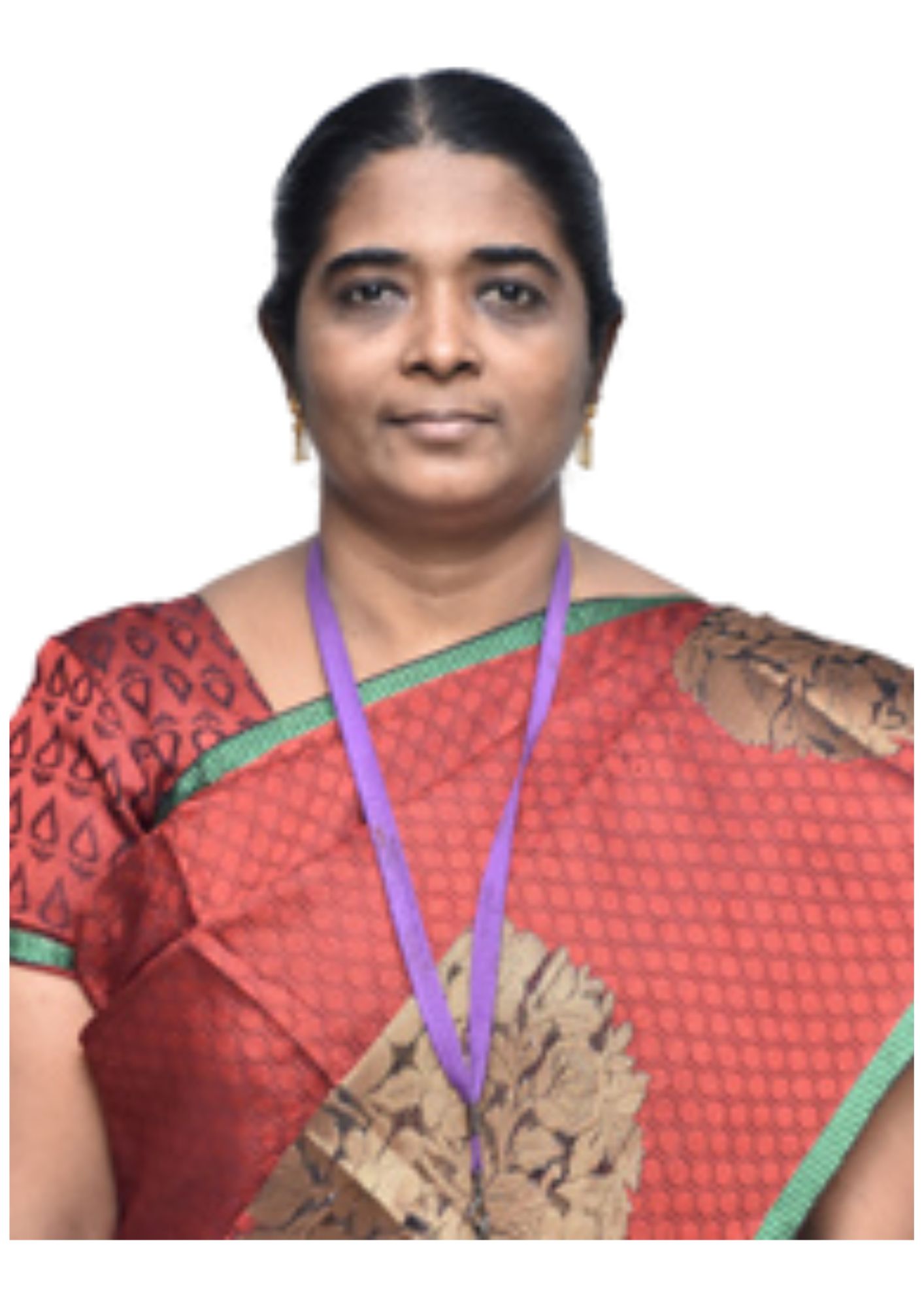
Dr. P. Sharmila M.Sc., M.Phil., Ph.D.
Professor & Head
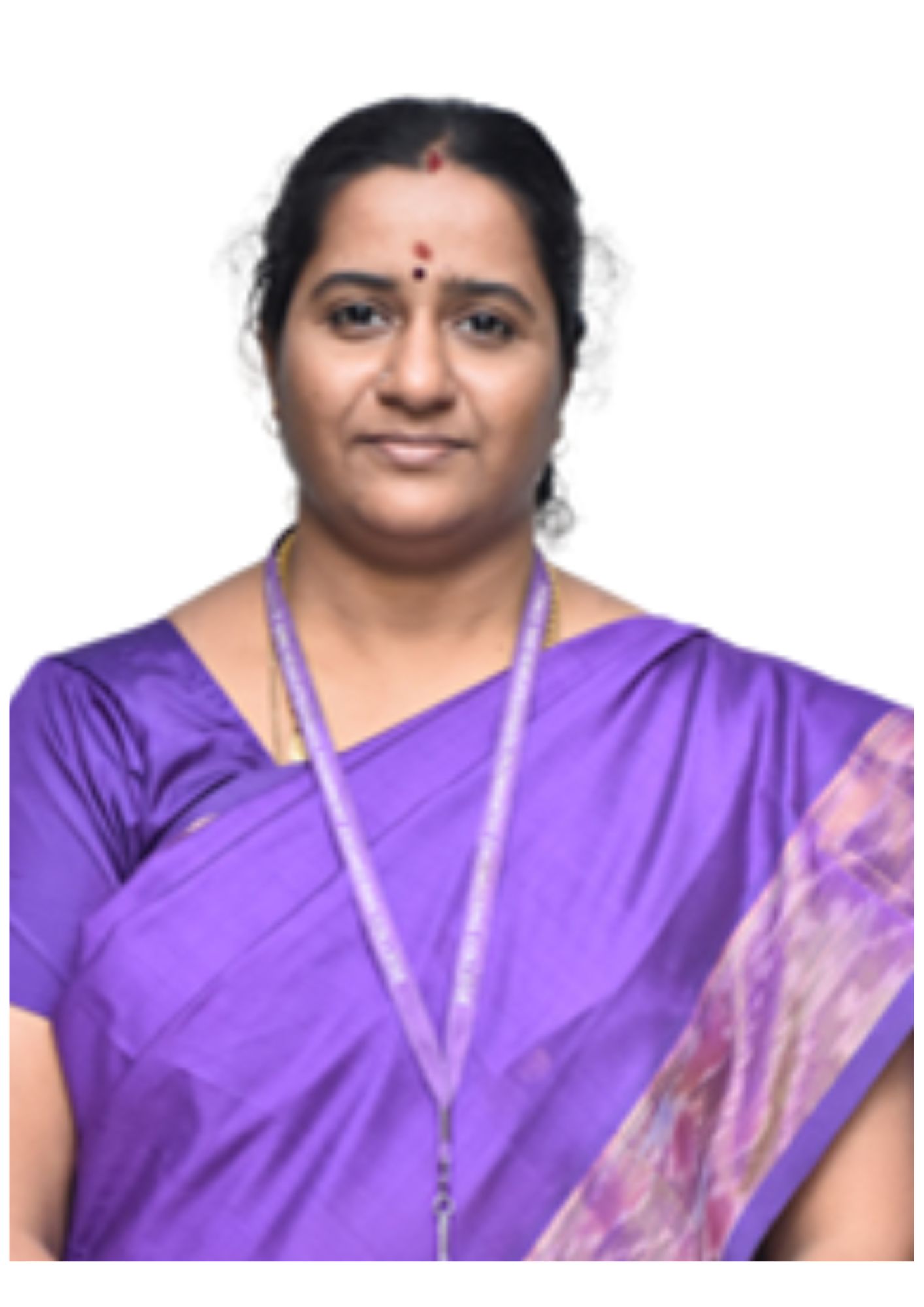
Dr. S. Jayasree M.Sc.,B.Ed.,M.Phil., Ph.D.
Associate Professor
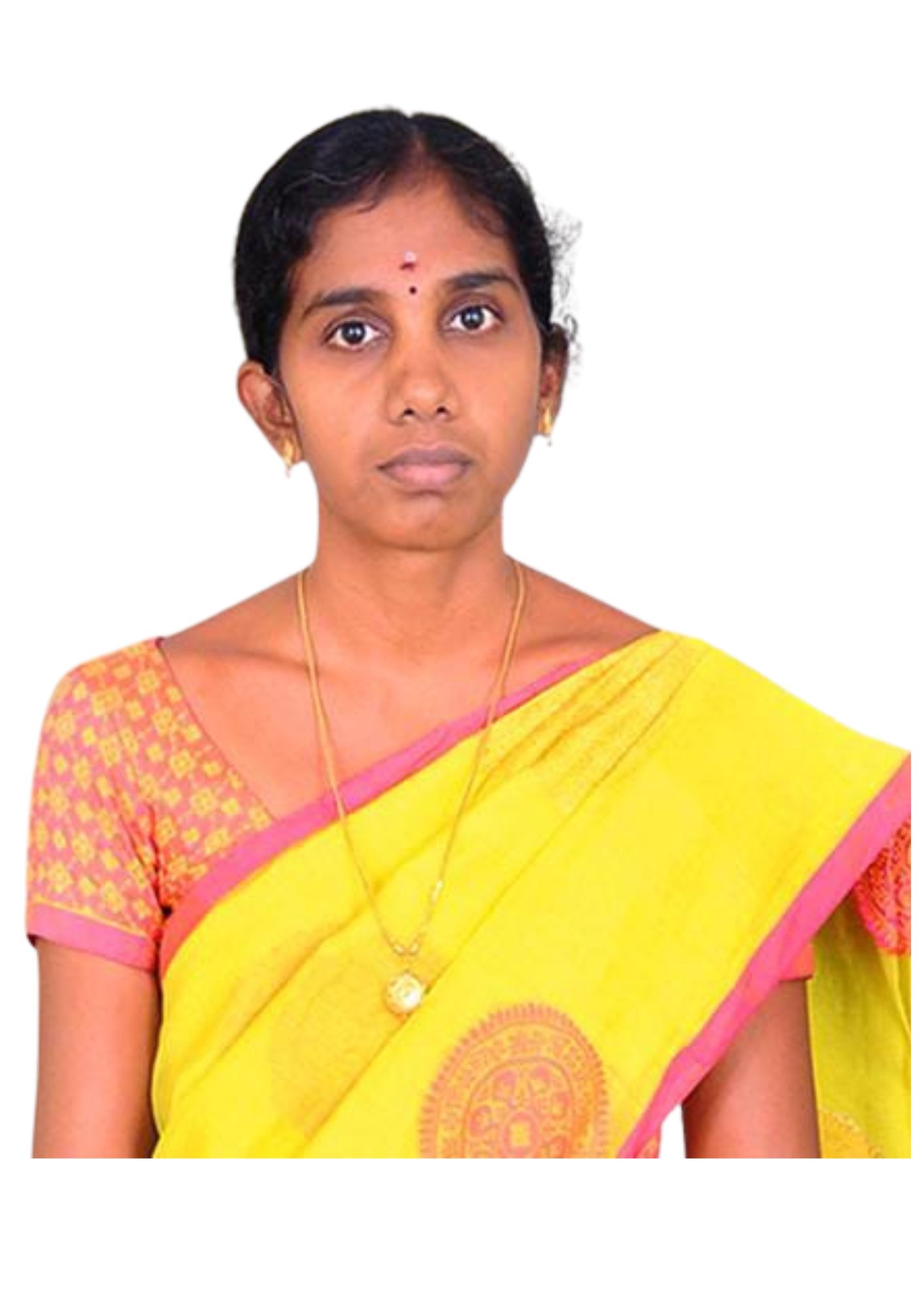
Dr. R. Poonguzhali M.Sc.,B.Ed., Ph.D.
Assistant Professor
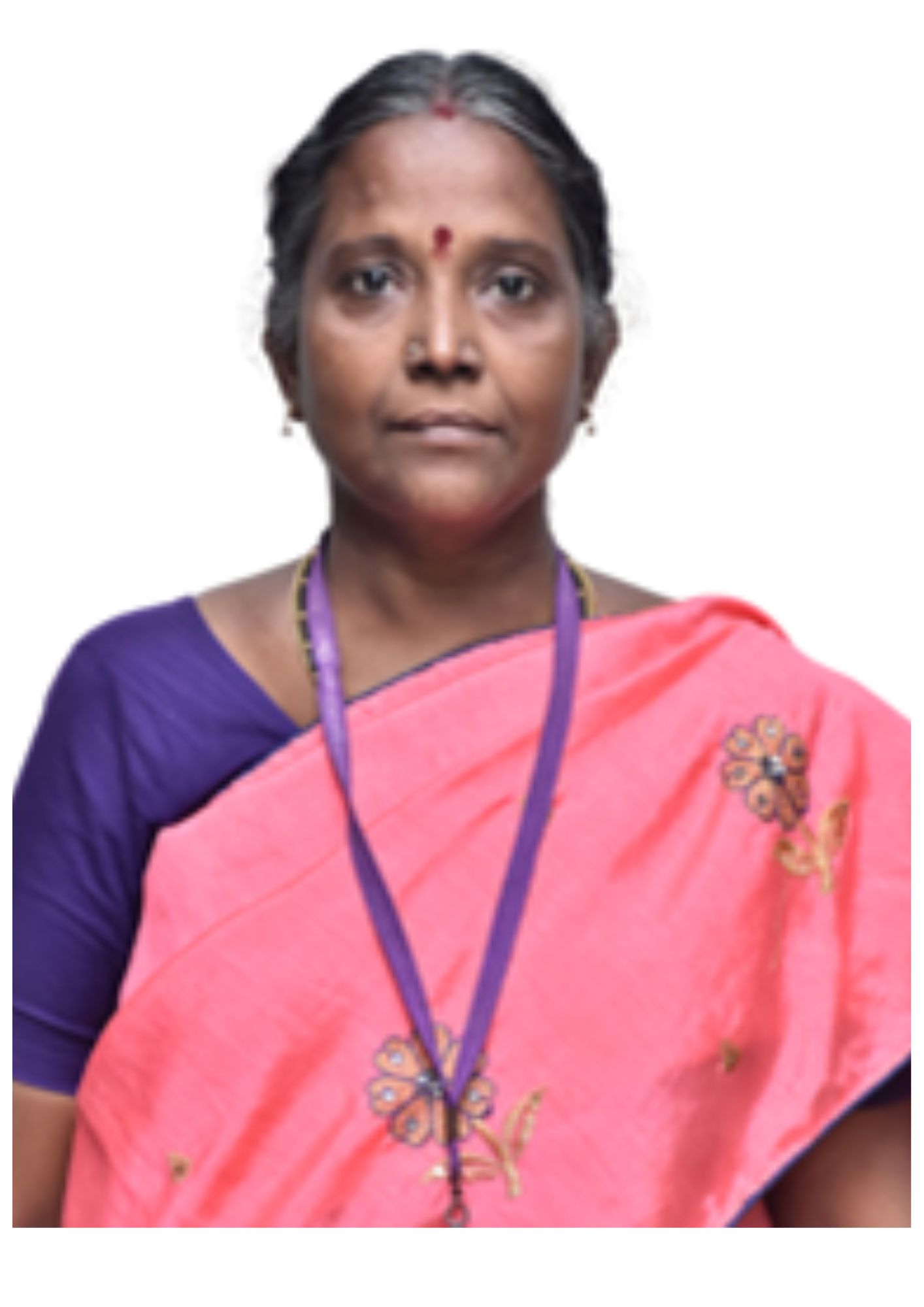
Ms.V. Mythili M.Sc.,M.Phil.
Associate Professor
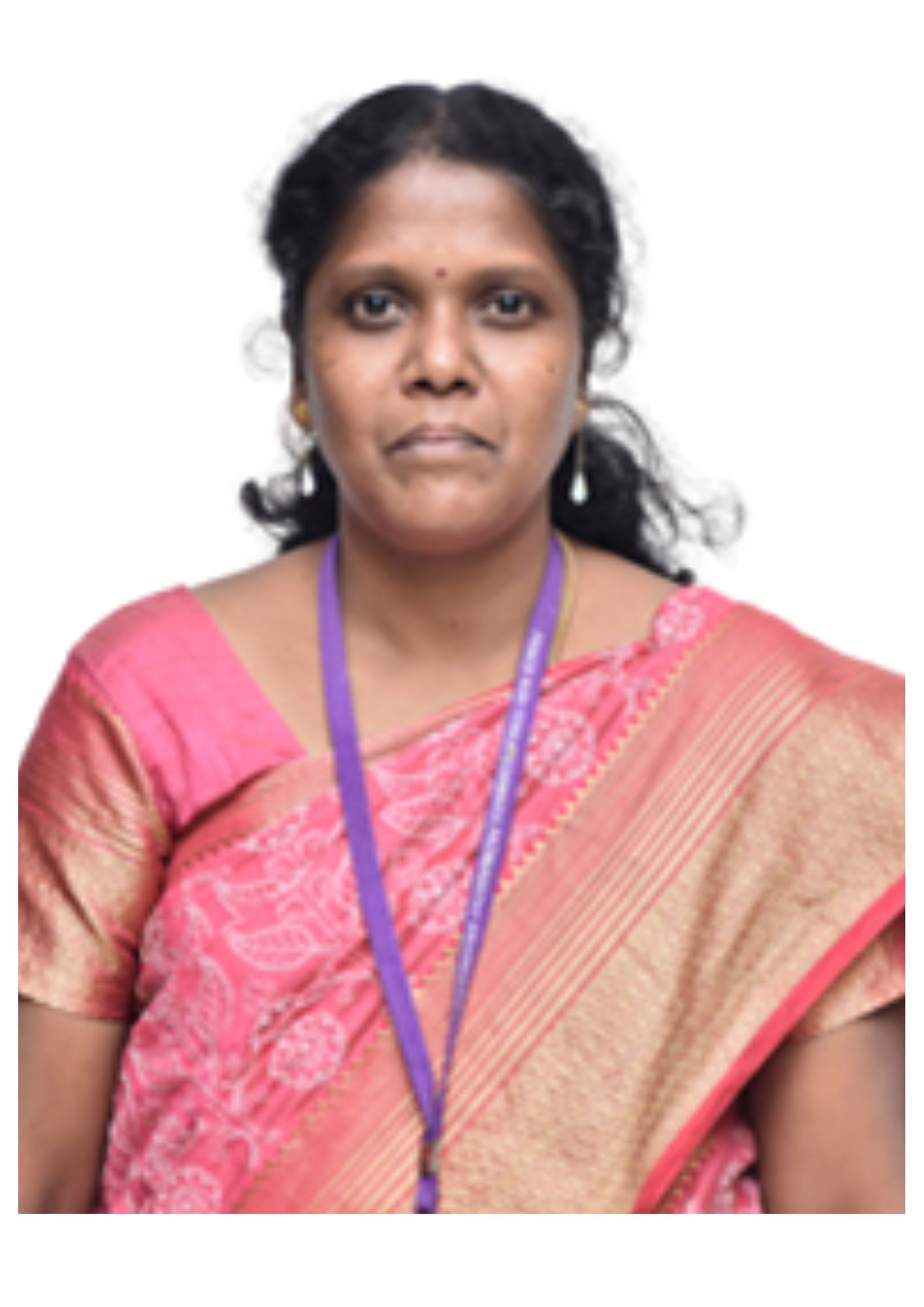
Ms. D. Little Femilin Jana M.Sc.,M.Phil.
Associate Professor
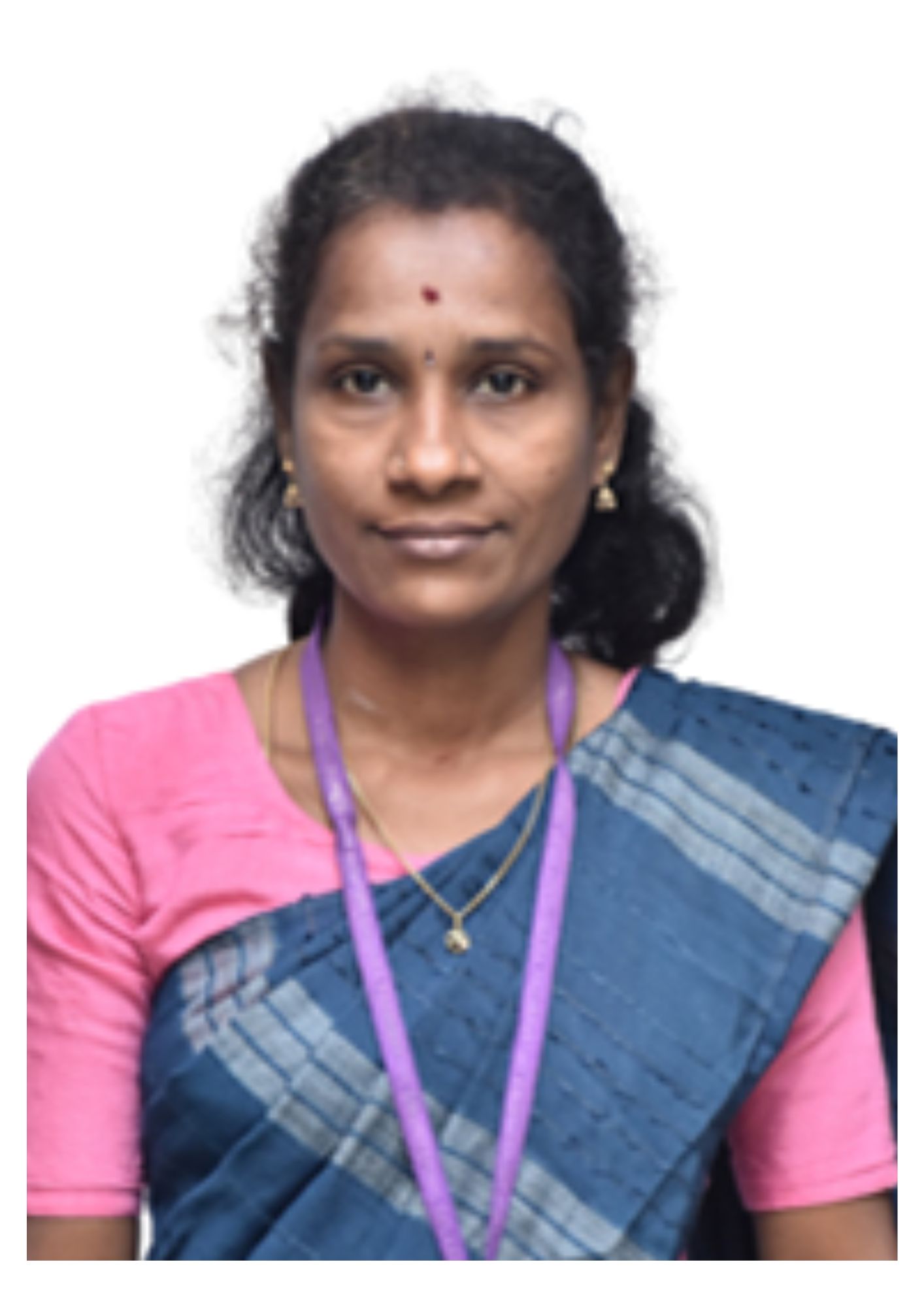
Ms. C. Vennila M.Sc.,M.Phil.
Assistant Professor
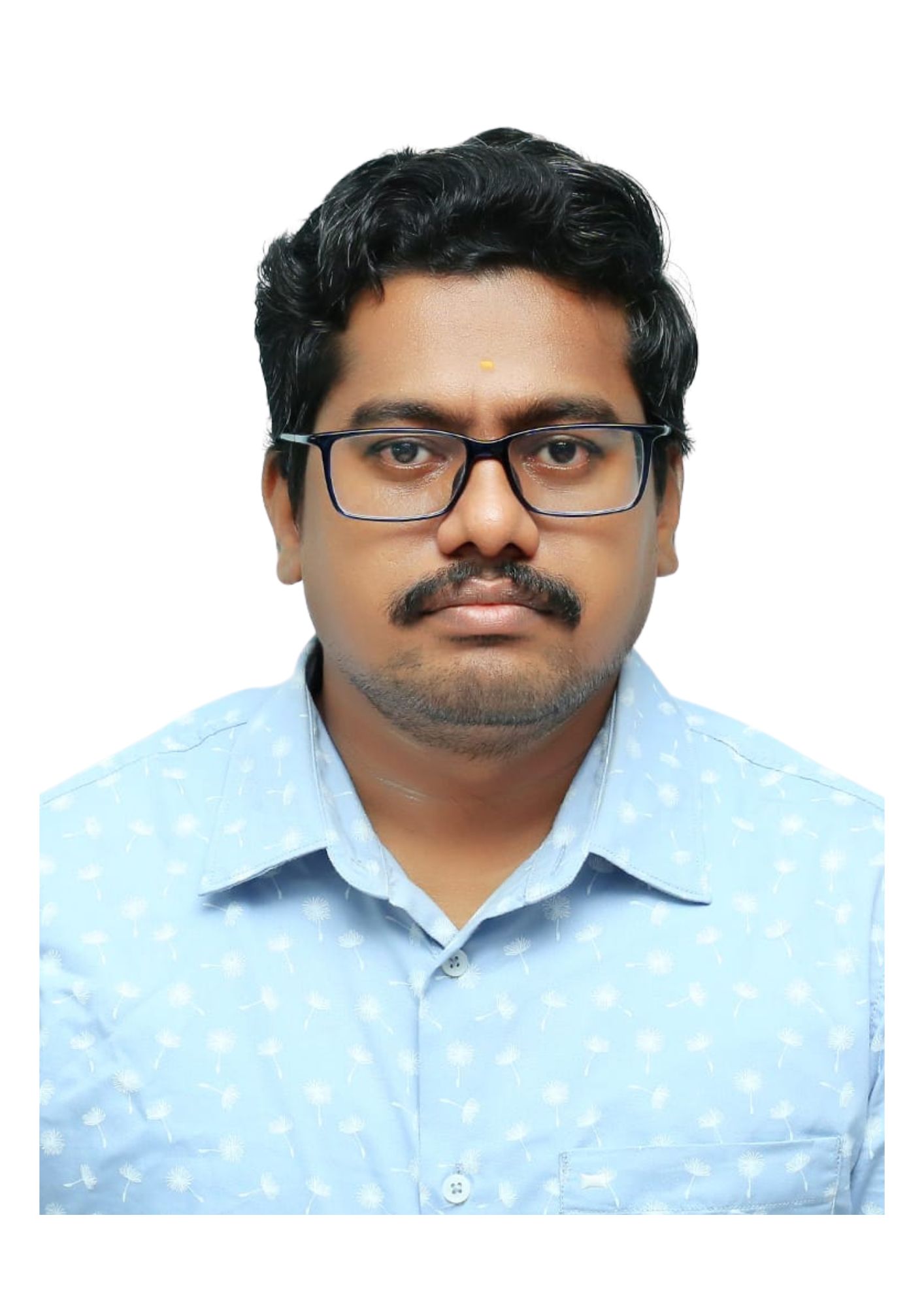
Mr. T. Natarajan M.Sc. with NET/SET/GATE
Assistant Professor

Ms. M. Jeyalaxmi M.Sc.,M.Phil.
Assistant Professor
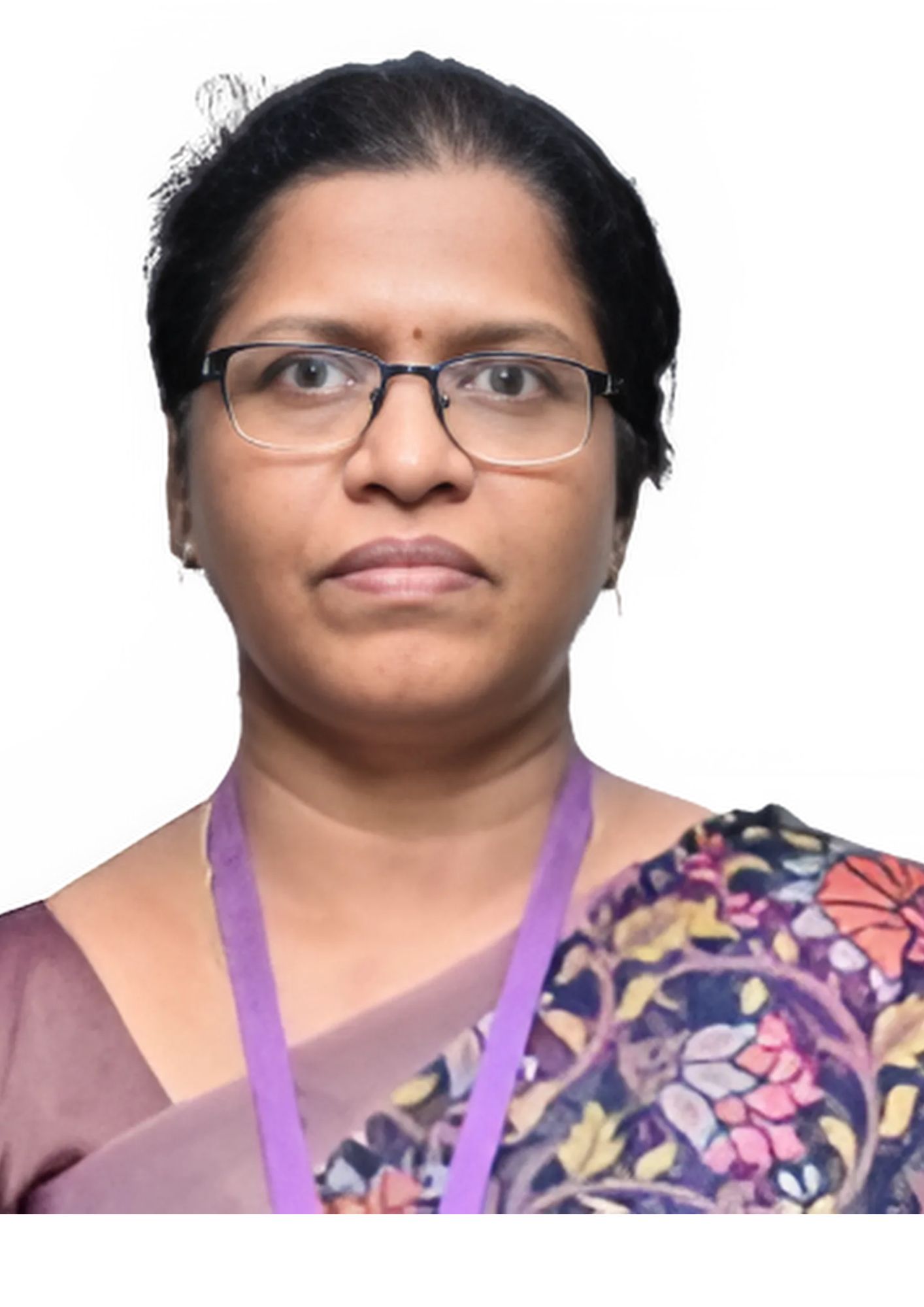
Ms. B. Geetha M.Sc.,M.Phil.
Assistant Professor
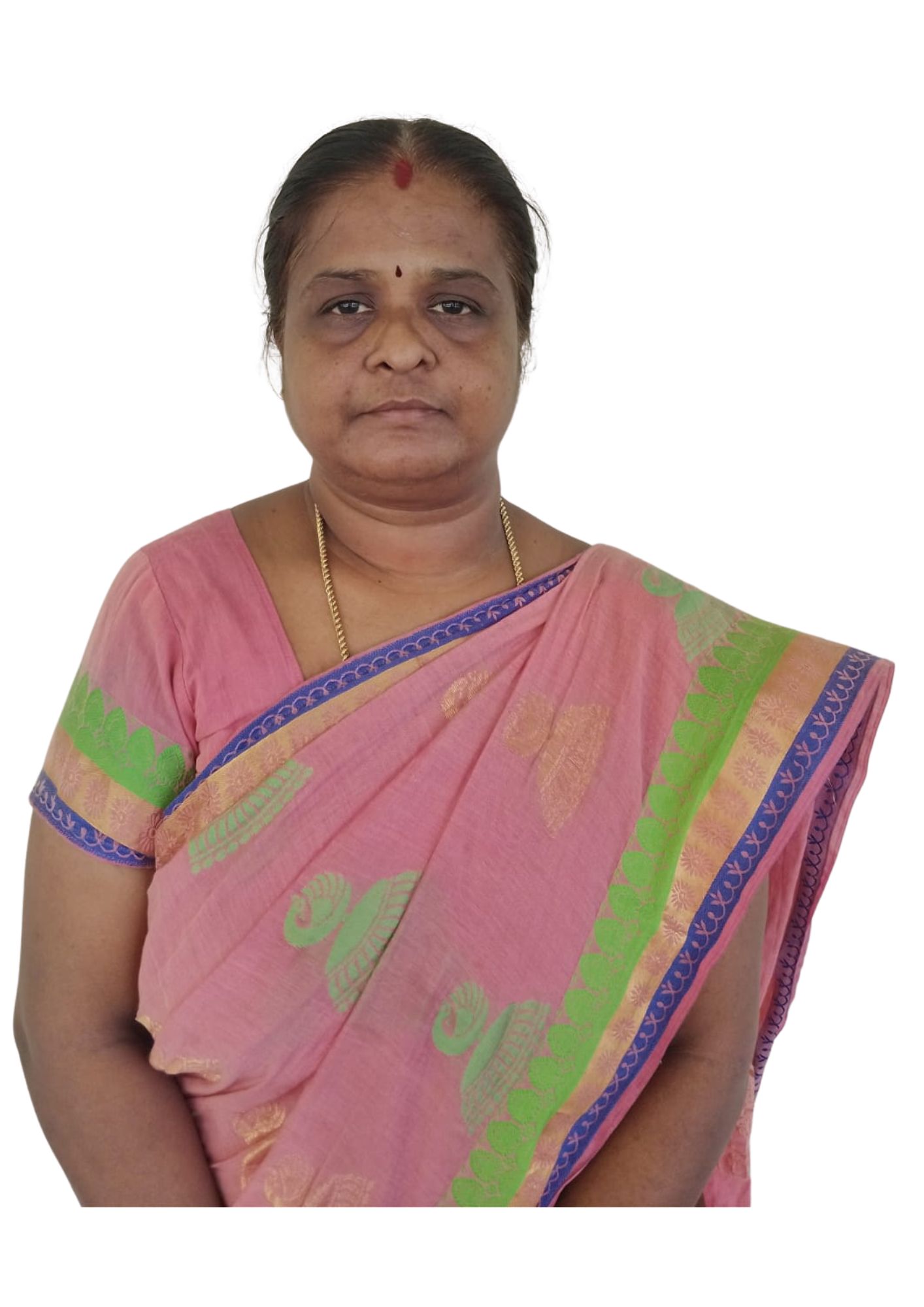
Ms. S. Rajarajeswari M.Sc.,M.Phil.
Assistant Professor
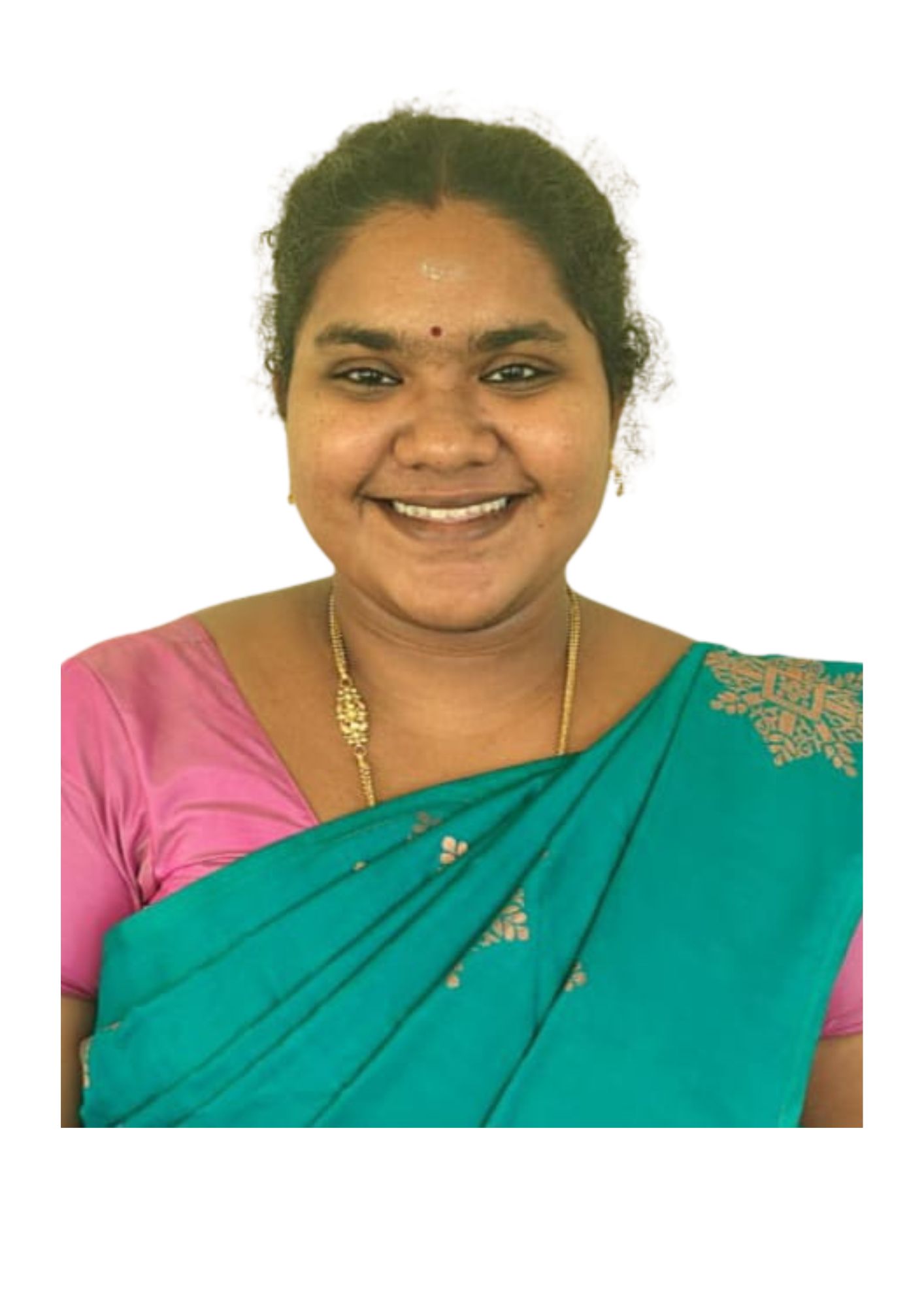
Ms. T. Sivaranjani M.A., B.Ed with NET
Assistant Professor
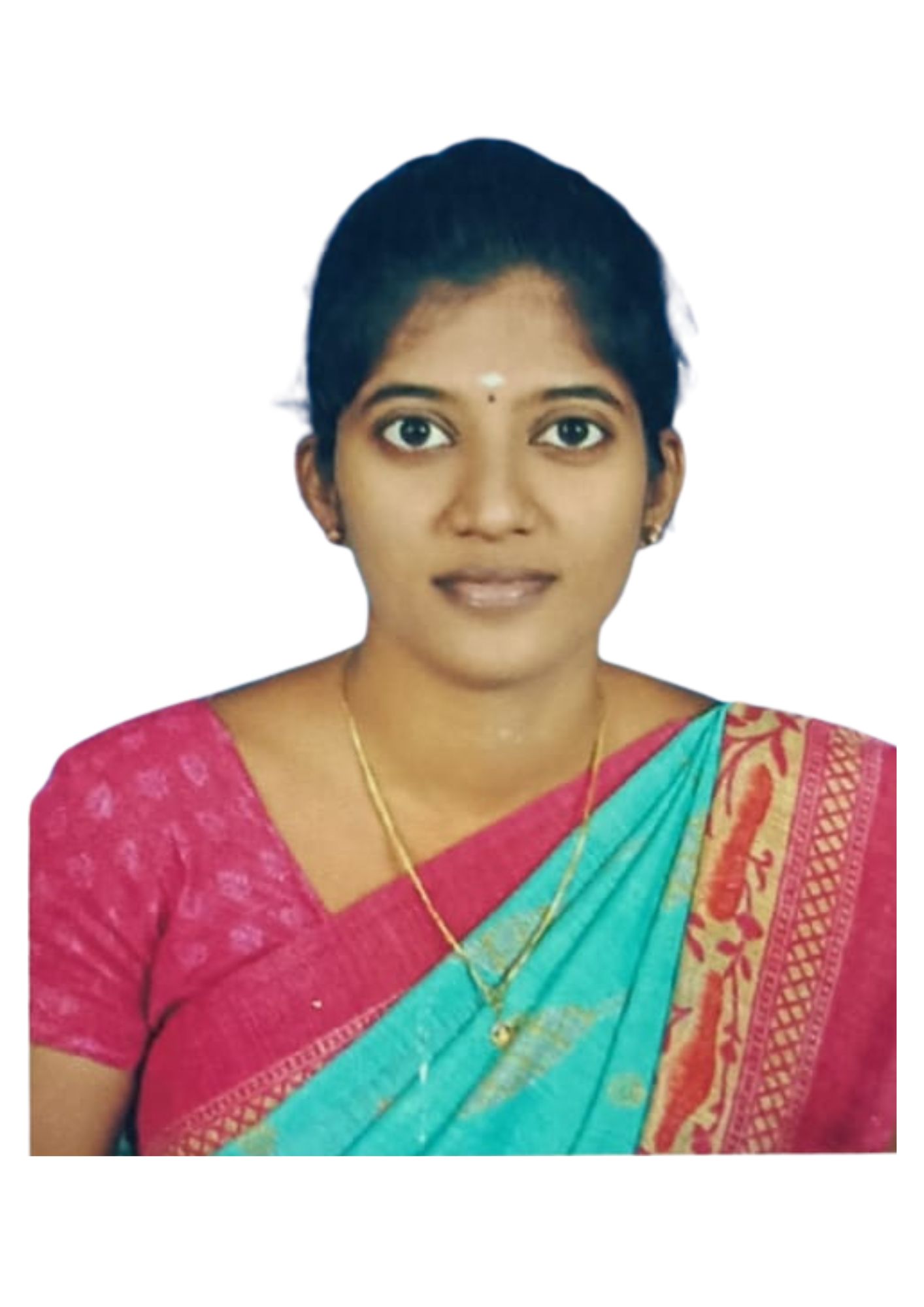
Ms. J. Praveena M.Sc.,M.Phil.
Assistant Professor
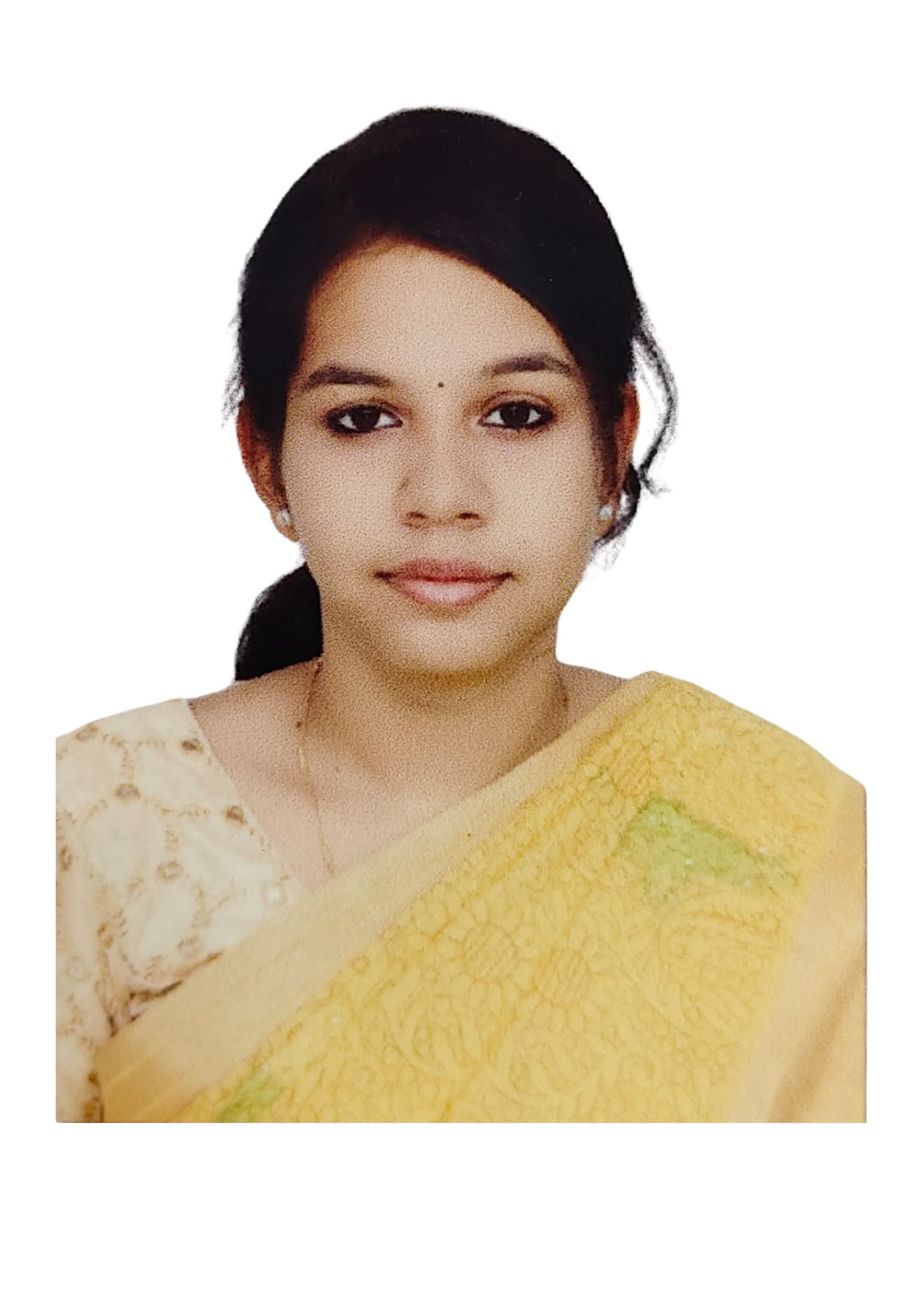
Ms. M. Aishwarya M.Sc. with NET/JRF
Assistant Professor
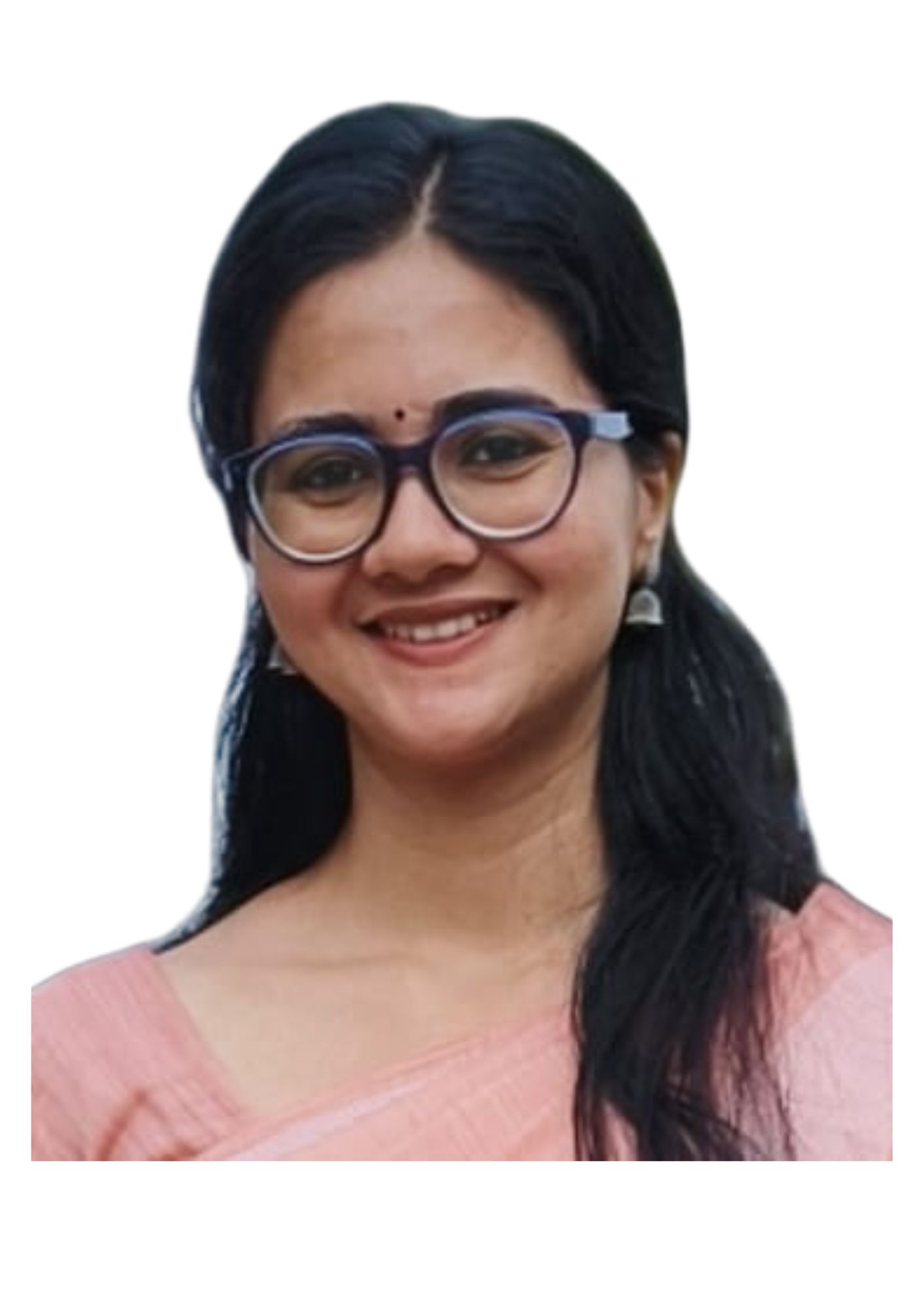
Ms. Amala Jose M.A., with NET
Assistant Professor
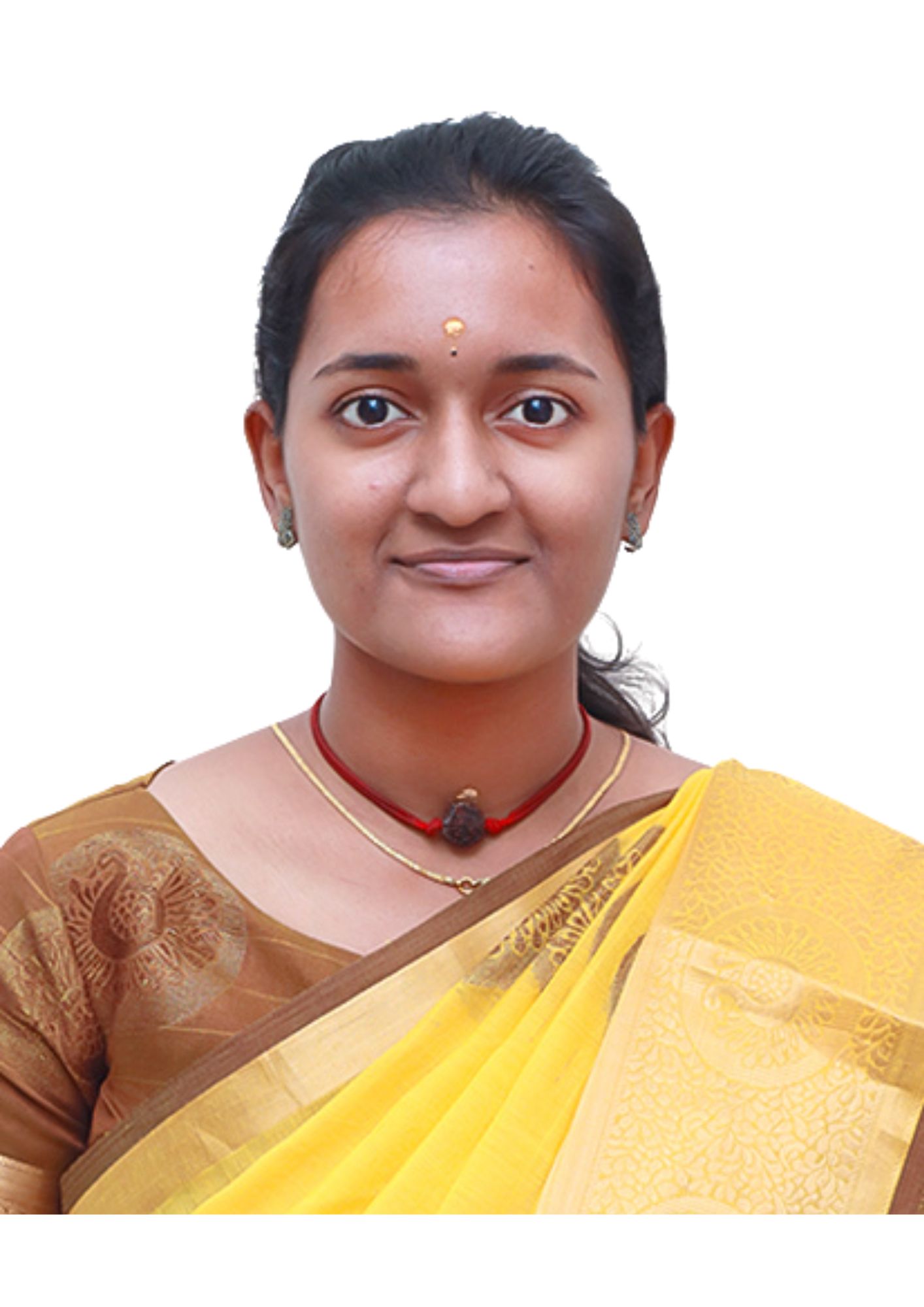
Ms. N. Aishwarya M.A., with NET
Assistant Professor
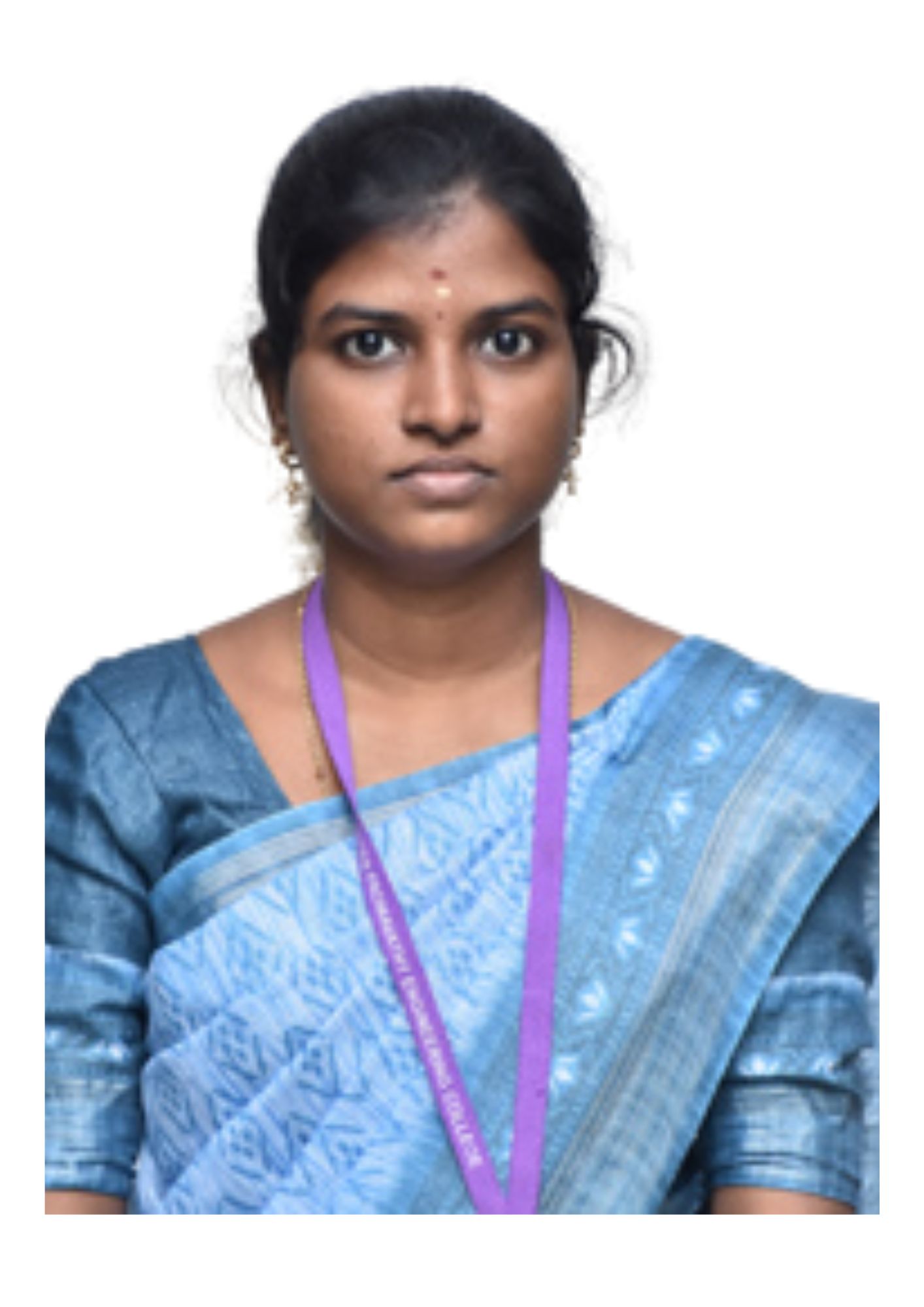
Ms. N. Divya M.E.,
Assistant Professor

Mr.V.Janakiraman M.E.,
Assistant Professor
self learning
E - CONTENT
LECTURE VIDEOS
| S.No | Subject | Topic | Staff | Link | REVIEW |
|---|---|---|---|---|---|
|
1. |
Discrete Maths |
Logical Connectives
|
V.Mythili
|
||
|
2. |
CALCULUS AND SERIES
|
FOURIER SERIES
|
RAJARAJESWARI
|
||
|
3. |
MATRICES AND DIFFERENTIAL EQUATION
|
MATRICES
|
RAJARAJESWARI
|
||
|
4. |
CALCULUS AND SERIES
|
TOTAL DERIVATIVE
|
VENNILA
|
||
|
5. |
MATRICES AND DIFFERENTIAL EQUATION
|
CHANGE THE ORDER OF INTEGRATION
|
VENNILA
|
||
|
6. |
CALCULUS AND SERIES
|
FUNCTION OF SEVERAL VARIABLE
|
NATARAJAN
|
||
|
7. |
ENGINEERING CHEMISTRY
|
GALVANIC CELL
|
JAYASREE
|
||
|
8. |
ENGINEERING CHEMISTRY
|
MUNICIPAL WATER TREATMENT
|
JAYASREE
|
||
|
9.
|
CALCULUS AND SERIES
|
JACOBIAN
|
AISHWARYA.M
|
Video |
|
|
10. |
MATRICES AND DIFFERENTIAL EQUATION
|
EIGEN VALUES AND EIGEN VECTORS
|
AISHWARYA.M
|
Video |
|
|
11. |
ENGINEERING PHYSICS
|
LASER- EINSTEIN A AND B CO EFFICIENT
|
J. PRAVEENA
|
||
|
12. |
PROBABILITY DISTRIBUTION & STATISTICS
|
TESTING OF HYPOTHESIS
|
D LITTLE FEMILIN JANA
|
Infrastructure
The Department of Science and Humanities at PSVPEC is equipped with state-of-the-art infrastructure to support a dynamic and engaging learning environment for first-year engineering students. The facilities are designed to foster academic excellence, hands-on learning, and holistic student development.
Key Infrastructure Facilities:
Physics Laboratory
A well-ventilated and fully equipped lab designed to provide practical exposure in areas such as optics, electricity, mechanics, and material properties. The lab helps students understand the scientific principles underlying engineering systems.
Chemistry Laboratory
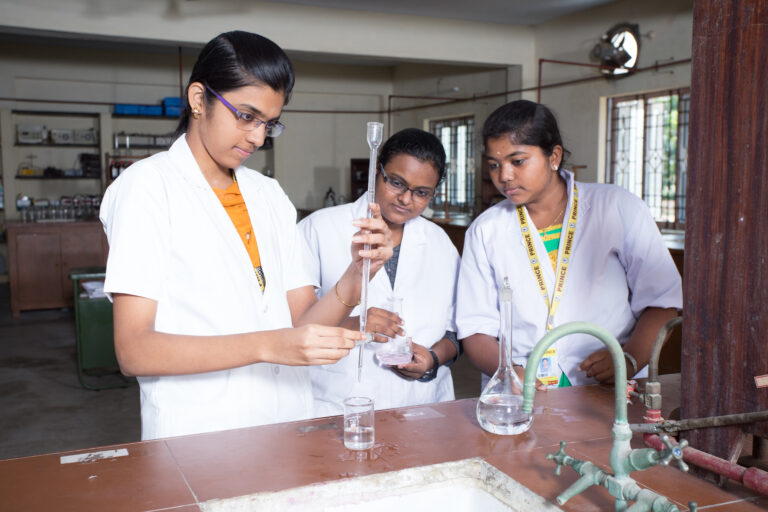
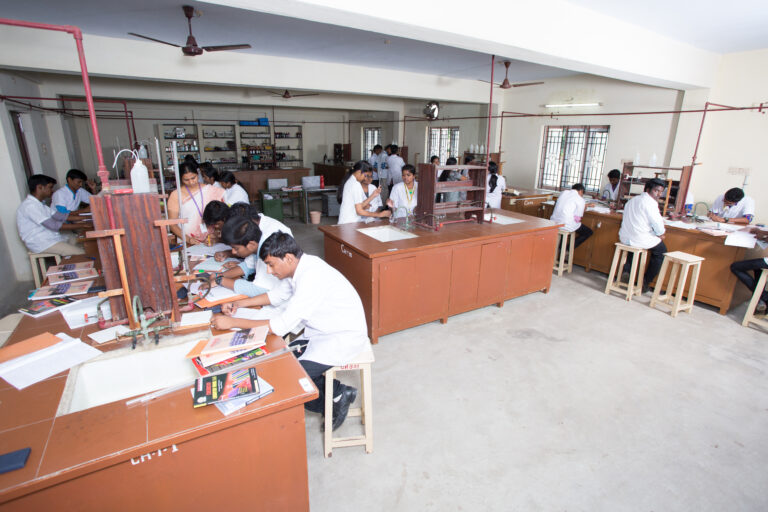
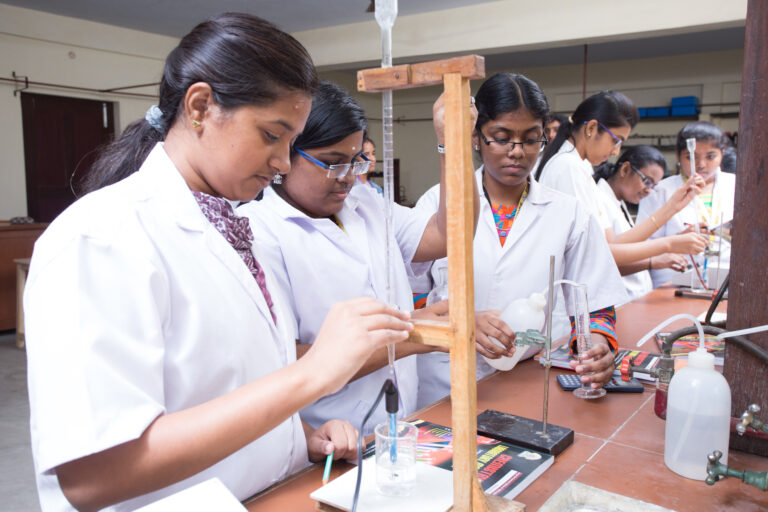
Designed to handle experiments in engineering and environmental chemistry, the lab is outfitted with modern glassware, chemicals, and safety equipment. It fosters curiosity and accuracy in chemical analysis and synthesis.
Language Laboratory
A digital language lab with interactive tools and software to enhance English communication skills. It supports activities in pronunciation, listening comprehension, and professional communication, helping students build confidence.
Reverse Engineering Laboratory
A unique lab that introduces students to the fundamentals of analyzing and understanding existing mechanical components and systems. It enables students to explore design thinking, innovation, and product analysis from the ground up.
Mechanical Workshops
The department offers hands-on training through fully functional mechanical workshops that include carpentry, welding, fitting, smithy, and sheet metal practices. These workshops develop basic engineering skills and enhance students’ practical knowledge.
Smart Classrooms
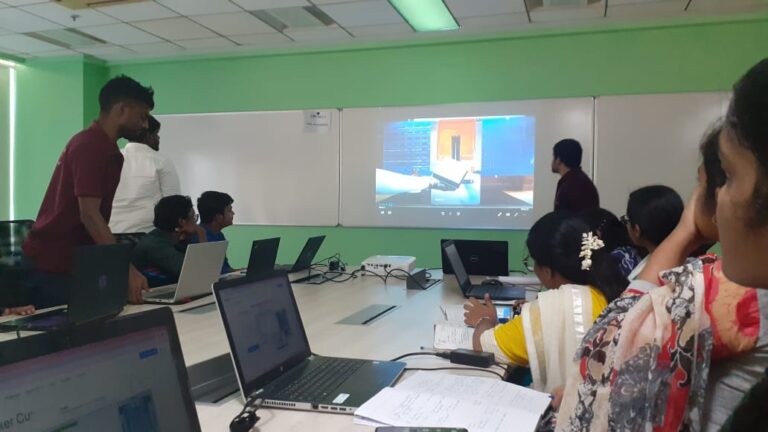
Spacious and tech-enabled classrooms with projectors and smart boards to support multimedia teaching, virtual learning, and interactive sessions.
Department Library Corner
A well-curated collection of reference books, science magazines, and subject handbooks is available within the department to support students’ academic needs and research interests.
With a blend of traditional laboratory excellence and modern technological tools, the Department of Science and Humanities ensures that students at PSVPEC begin their engineering education with a strong, well-supported foundation.
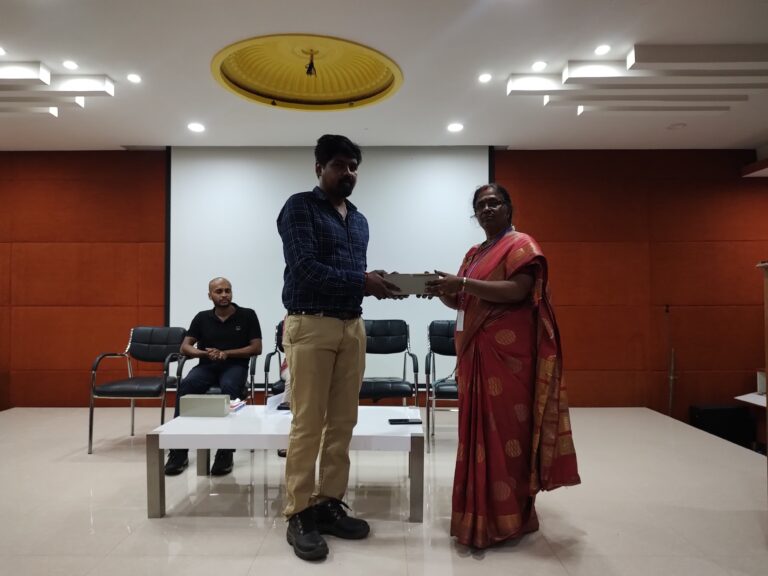
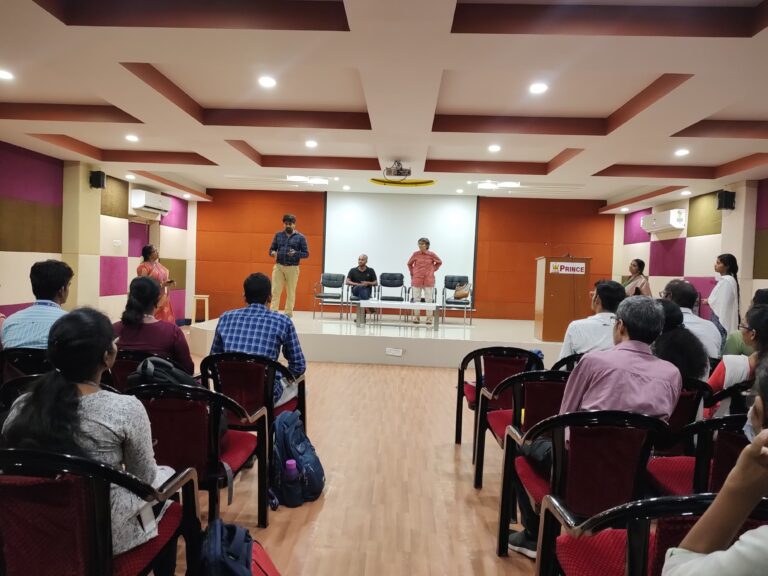
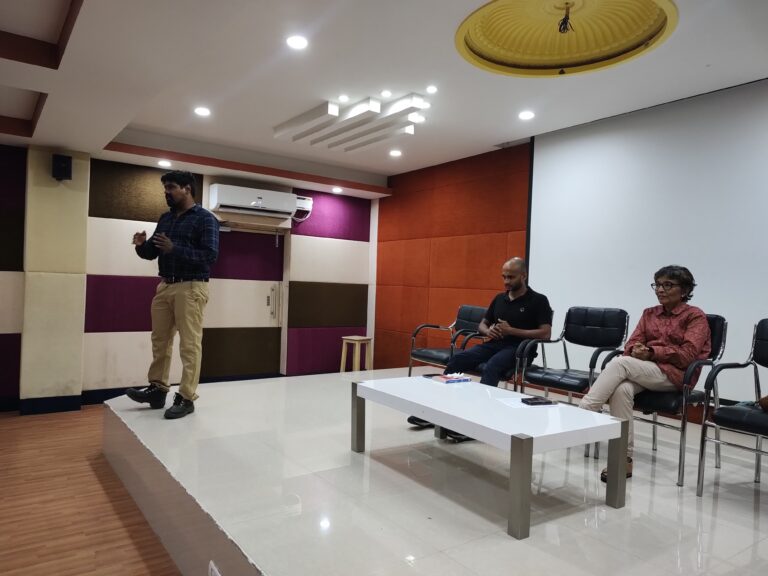
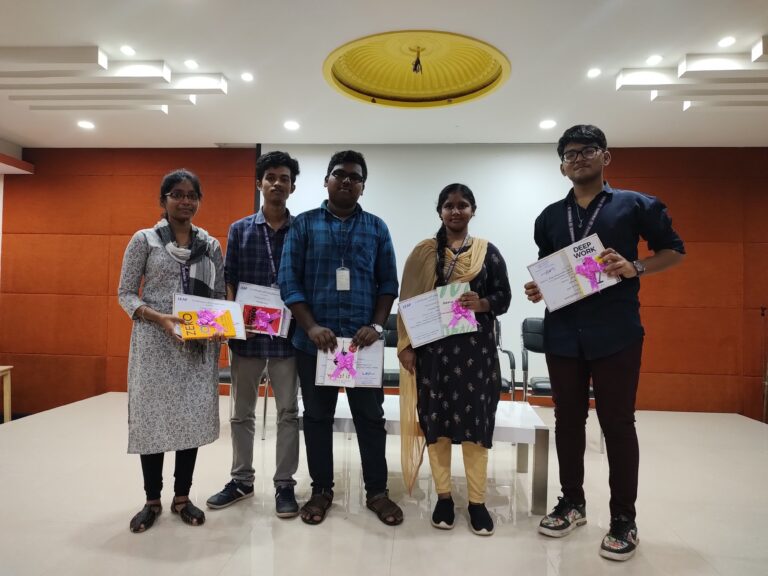
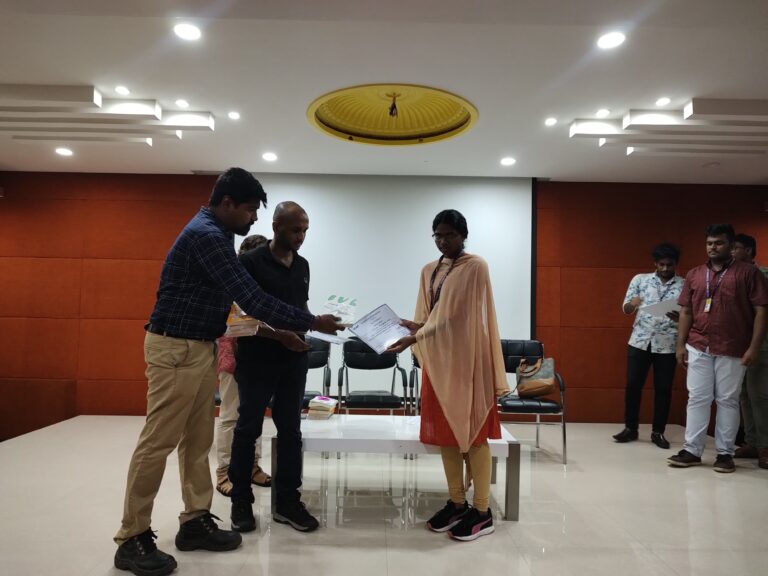
LEAP – Learning Engineering through Activity Program
In collaboration with IITM Incubation Cell
The LEAP Program at Prince Shri Venkateshwara Padmavathy Engineering College (PSVPEC) is an innovative learning initiative aimed at transforming the way students experience engineering education. LEAP stands for Learning Engineering through Activity Program, focusing on experiential, activity-based, and interdisciplinary learning right from the first year.
This program is implemented in collaboration with the IIT Madras Incubation Cell, bringing together academic rigor, real-world problem solving, and entrepreneurial thinking under one dynamic platform.
Vision of LEAP:
To build a strong engineering foundation by integrating classroom knowledge with hands-on activities, teamwork, creativity, and design-based thinking.
Core Objectives:
- To make learning engaging and application-oriented through structured engineering activities.
- To bridge the gap between theoretical learning and real-time implementation.
- To encourage curiosity, collaboration, and innovation among students.
- To identify student talents early and guide them toward startup, research, or industry pathways.
Key Components:
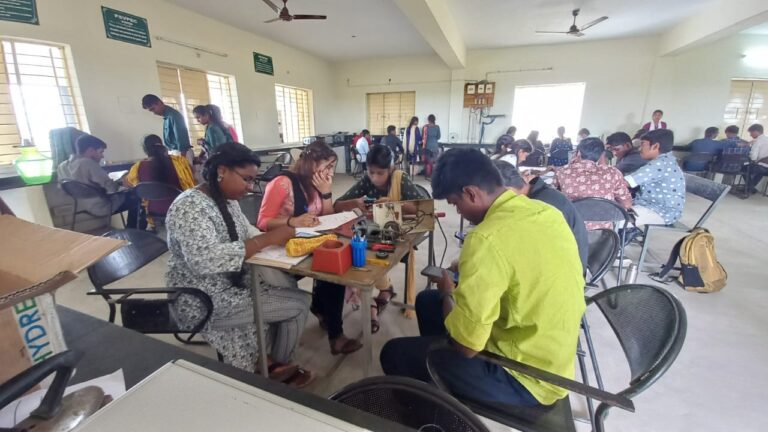
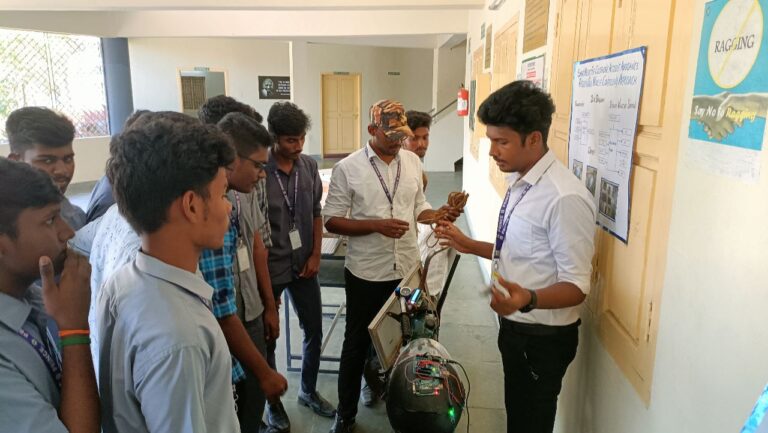
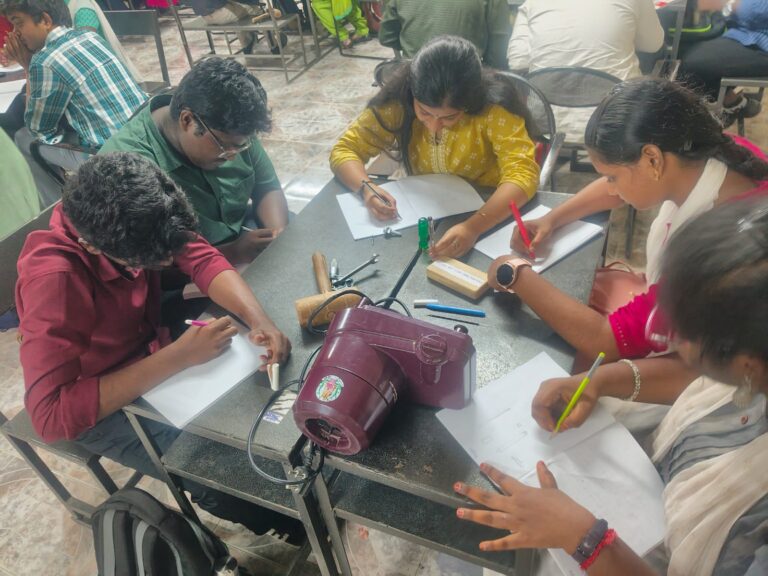
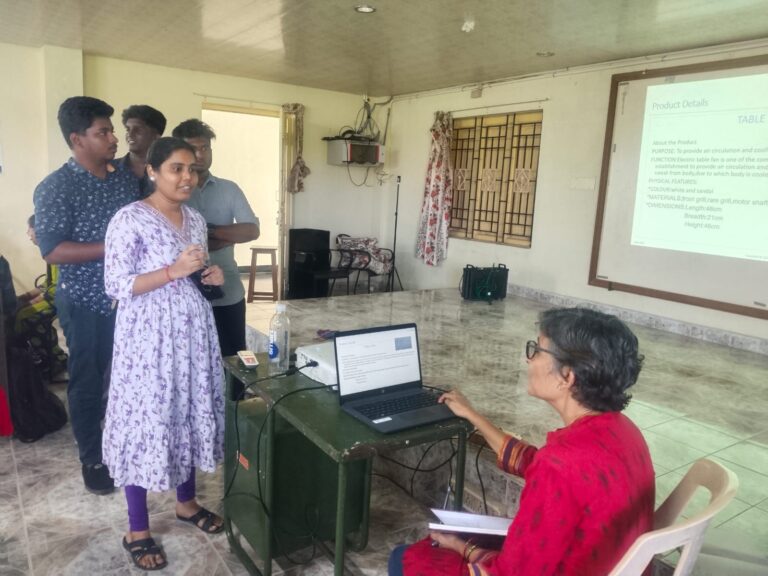
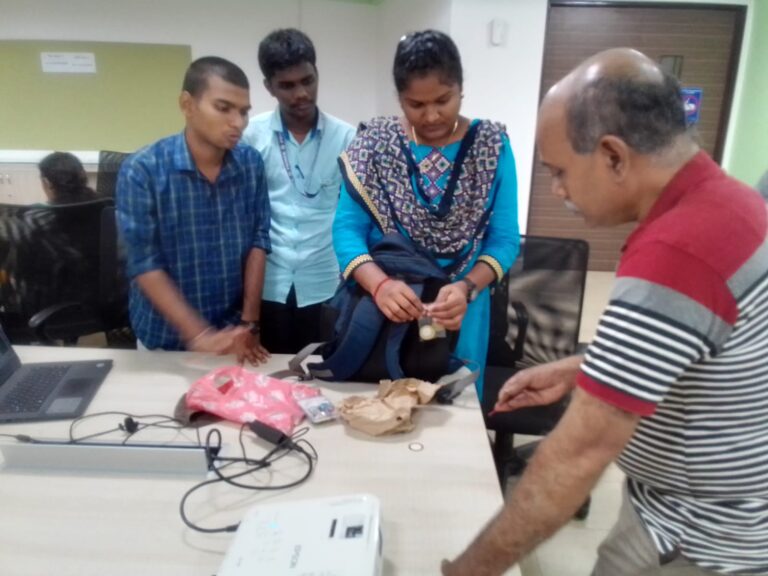
- Activity-Based Modules: Each session involves interactive engineering activities aligned with core subjects.
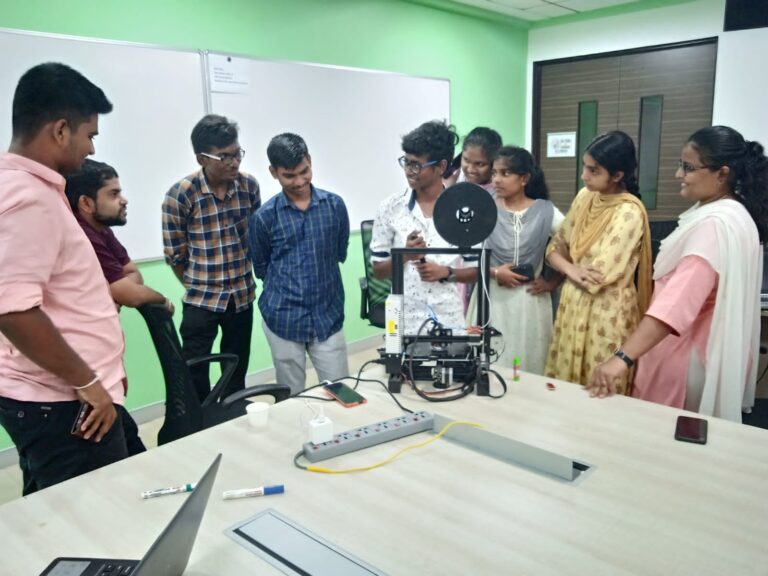
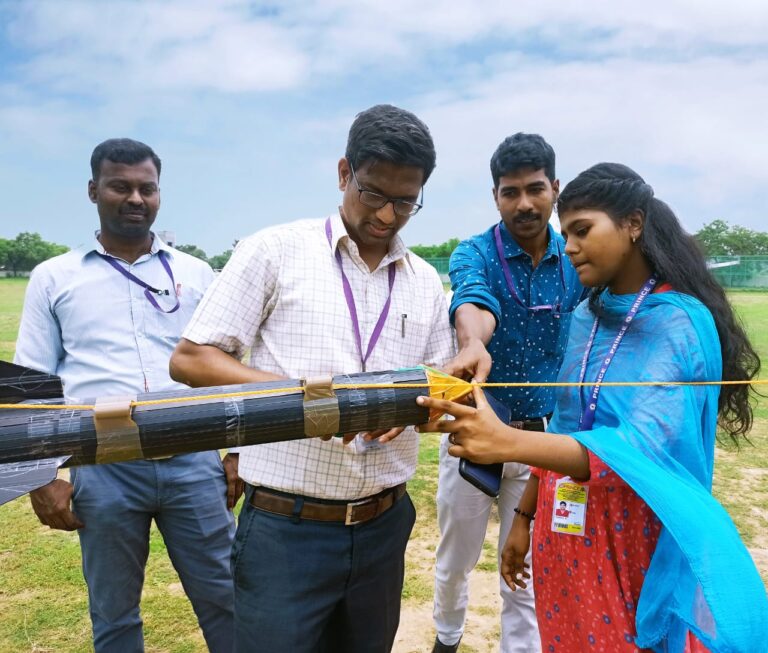
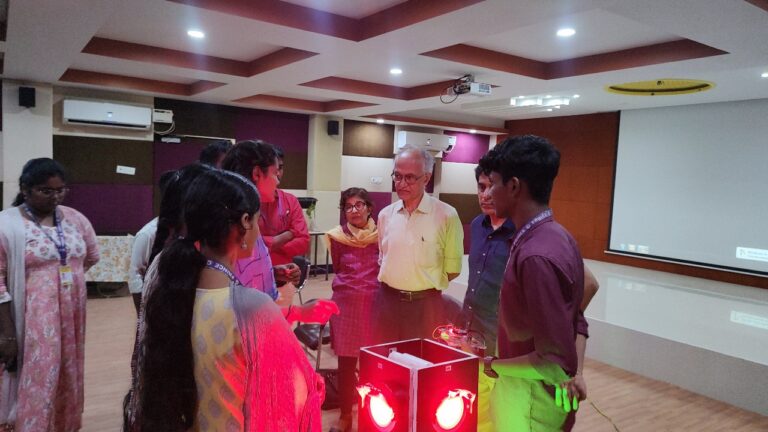
- Team Projects: Students work in teams to build prototypes, models, and basic engineering solutions.
- Innovation Challenges: Design challenges and problem-solving events curated with inputs from IITM experts.
- Mentorship Support: Students receive guidance from faculty mentors and industry/startup leaders through the IITM Incubation Cell.
- Showcase Events: Students present their work in demo days, exhibitions, and intra-college competitions.
Impact on Students:
LEAP has been instrumental in improving conceptual clarity, enhancing technical curiosity, and building confidence among students. It has created a platform for learners to become doers and problem solvers, with many students progressing to patent filings, startup incubation, and national-level competitions.
LEAP at PSVPEC, powered by IITM Incubation Cell, is reimagining engineering education—preparing students not just to learn, but to innovate, build, and lead.