B.E - Electrical and Electronics Engineering

“Empowering Future Tech Leaders Through Innovation & Practical Learning.”
-
ABOUT THE DEPARTMENT
-
Message from the Head of the Department
-
Our Vision & Mission
-
Program Outcomes
-
Faculty
-
Self Learning
-
Infrastructure
-
Gallery
ABOUT THE DEPARTMENT
The Department of Electrical and Electronics Engineering at Prince Shri Venkateshwara Padmavathy Engineering College was established with the vision of producing technically competent, socially responsible, and industry-ready electrical engineers. The department is dedicated to imparting quality education and fostering innovation, research, and professional excellence in the field of Electrical and Electronics Engineering.
Our curriculum is meticulously designed to cover core subjects such as Electrical Machines, Power Systems, Control Systems, Power Electronics, and Renewable Energy Systems, while also integrating emerging areas like Electric Vehicles, Smart Grids, and Internet of Things (IoT). This balanced approach equips our students with both foundational knowledge and cutting-edge skills.
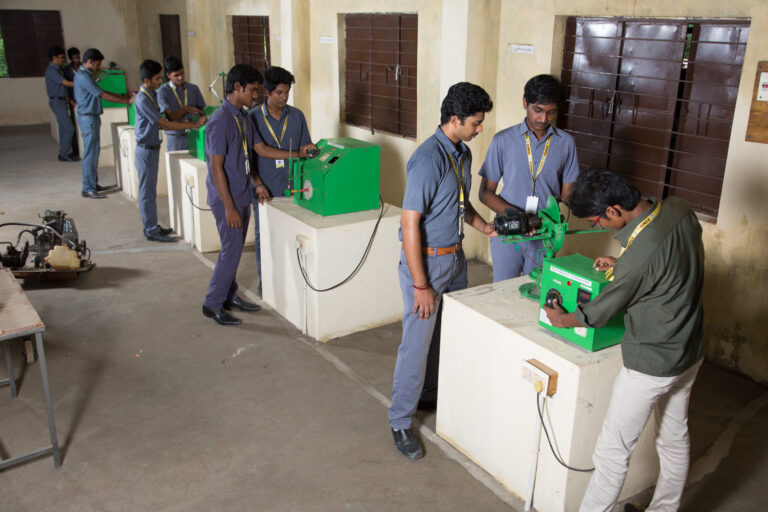
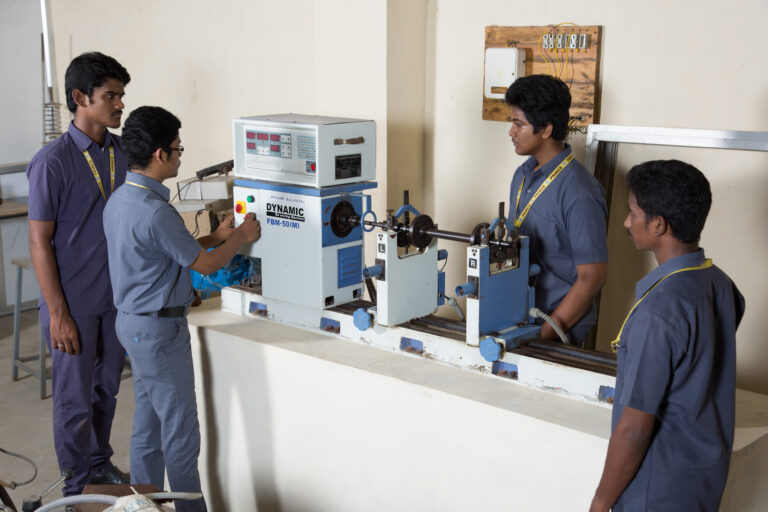
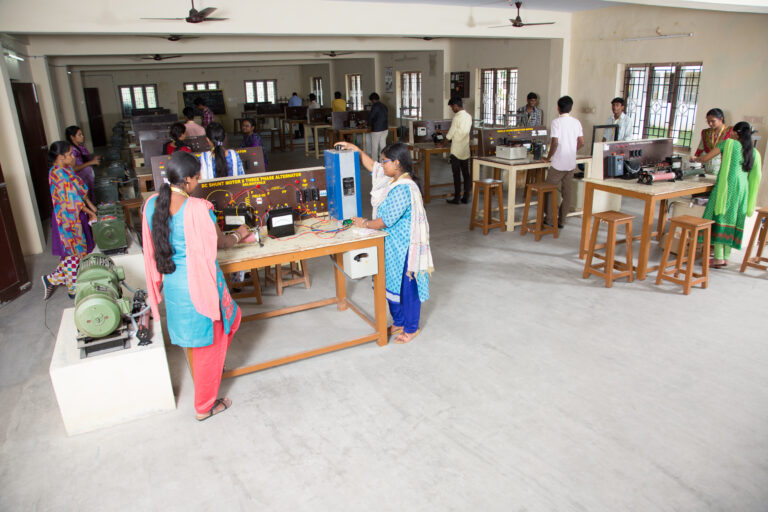
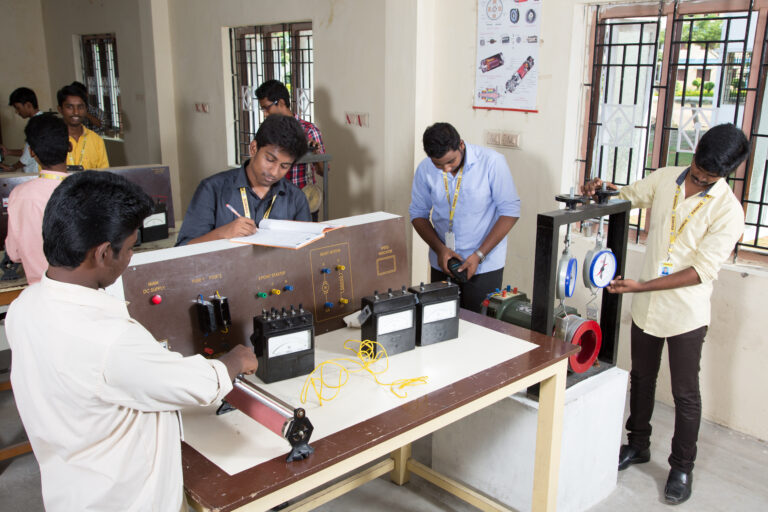
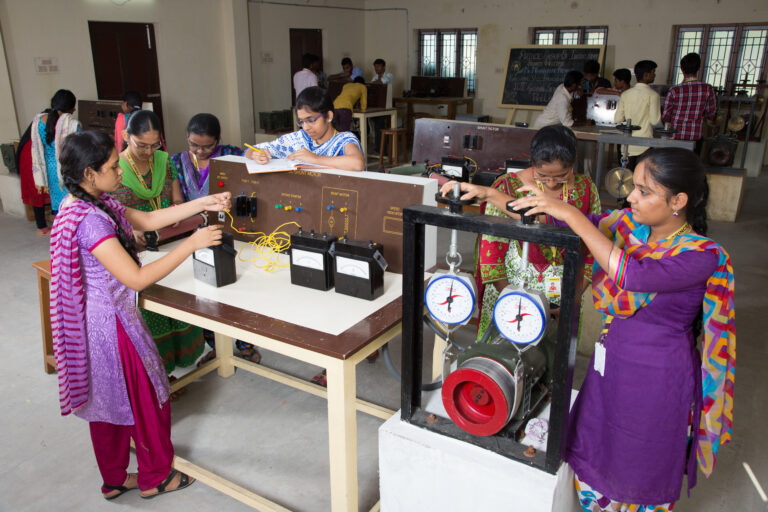
The department is supported by experienced faculty members, well-equipped laboratories, and industry-supported Curriculum. Our students benefit from hands-on training, industrial internships, workshops, and real-time projects in collaboration with reputed industries and research organizations.
We emphasize holistic development by encouraging students to participate in co-curricular and extracurricular activities, technical symposiums, paper presentations, and innovation challenges. Our alumni are placed in top-tier companies, pursue higher education in prestigious institutions, and contribute to the development of society as successful engineers and entrepreneurs.
With a strong focus on academic excellence, ethical values, and lifelong learning, the EEE department continues to empower students to become future-ready professionals capable of addressing global challenges.
Message from the Head of the Department
Electrical and Electronics Engineering
Welcome to the Department of Electrical and Electronics Engineering at Prince Shri Venkateshwara Padmavathy Engineering College.
The EEE Department is committed to shaping the next generation of engineers by providing a strong academic foundation, industry-aligned practical skills, and a deep sense of professional ethics. We offer a dynamic curriculum, hands-on training, and industry collaborations that prepare our students to face real-world challenges with confidence and competence.
Our department boasts a team of highly qualified and dedicated faculty members who are actively involved in teaching, research, and consultancy. We constantly strive to upgrade our teaching methodologies and infrastructure to stay in sync with technological advancements.
Through seminars, industrial visits, value-added courses, and centre of excellence initiatives, we encourage our students to think innovatively and contribute meaningfully to society and industry. We also motivate our students to participate in technical competitions, higher studies, and entrepreneurial ventures.
We believe in nurturing not just engineers but responsible and ethical human beings who are ready to lead and serve.
We welcome you to be a part of our vibrant learning community and join us on a journey of knowledge, innovation, and transformation.
Warm regards,

Dr. S.Hemalatha
Head of the Department
Electrical and Electronics Engineering
Prince Shri Venkateshwara Padmavathy Engineering College
Our Vision & Mission


VISION
To cultivate globally competent professionals in electrical engineering who can enhance society, drive technological progress, and address environmental challenges through innovation and research.

MISSION
To provide a supportive environment that promotes a strong foundational education through an effective and professional teaching-learning process
To equip students with the knowledge and skills in innovation and research to address local and global challenges in Electrical and Electronics Engineering, fostering a commitment to lifelong learning.
To develop entrepreneurial and leadership abilities enriched with ethical and professional values to serve and uplift society.
PROGRAMME OUTCOMES (POs)
-
Engineering knowledge: Apply the knowledge of mathematics, science, engineering fundamentals, and an engineering specialization to the solution of complex engineering problems.
-
Problem analysis: Identify, formulate, review research literature, and analyze complex engineering problems reaching substantiated conclusions using first principles of mathematics, natural sciences, and engineering sciences.
-
Design/development o solutions: Design solutions for complex engineering problems and design system components or processes that meet the specified needs with appropriate consideration for the public health and safety, and the cultural, societal, and environmental considerations.
-
Conduct investigations of complex problems: Use research-based knowledge and research methods including design of experiments, analysis and interpretation of data, and synthesis of the information to provide valid conclusions.
-
Modern tool usage: Create, select, and apply appropriate techniques, resources, and modern engineering and IT tools including prediction and modeling to complex engineering activities with an understanding of the limitations.
-
The engineer and society: Apply reasoning informed by the contextual knowledge to assess societal, health, safety, legal and cultural issues and the consequent responsibilities relevant to the professional engineering practice.
-
Environment and sustainability: Understand the impact of the professional Engineering solutions in societal and environmental contexts, and demonstrate the Knowledge of, and need for sustainable development.
-
Apply ethical principles and commit to professional ethics and responsibilities and norms of the engineering practice.
-
lndividual and team work: Function effectively as an individual, and as a member or leader in diverse teams, and in multidisciplinary settings.
-
Communication: Communicate effectively on complex engineering activities with the engineering community and with society at large, such as, being able to comprehend and write effective reports and design documentation, make effective presentations, and give and receive clear instructions.
-
Project management and finance: Demonstrate knowledge and understanding of the engineering and management principles and apply these to one's own work, as a member and leader in a team, to manage projects and in multidisciplinary environments.
-
Life-long learning: Recognize the need for, and have the preparation and ability to engage in independent and life-long learning in the broadest context of technological change.
PROGRAMME EDUCATIONAL OBJECTIVES (PEOs)
The Program Educational Objectives (PEOs) of the represent major accomplishments that the graduates are expected to achieve after four years of graduation.
PEO 1: To develop and apply strong logical, analytical, and problem-solving abilities in Electrical and Electronics Engineering, enabling graduates to pursue higher education and excel in professional careers.
PEO 2: To inculcate the knowledge for interdisciplinary expertise to craft, evaluate and deploy pioneering solutions that propel research forward and positively impact society.
PEO 3: To nurture the graduates in professionalism, ethical conduct, strong communication skills, and compete to excel in diverse multidisciplinary environments
PROGRAMME SPECIFIC OUTCOMES(PSO)
PSO1: Graduates will able to apply the knowledge of Electrical and Electronics Engineering to develop solutions for engineering problems
PSO2: Graduates will capable of analyzing, designing and implementing the technologies to meet the evolving demands of modern society.
Department of Electrical and Electronics Engineering
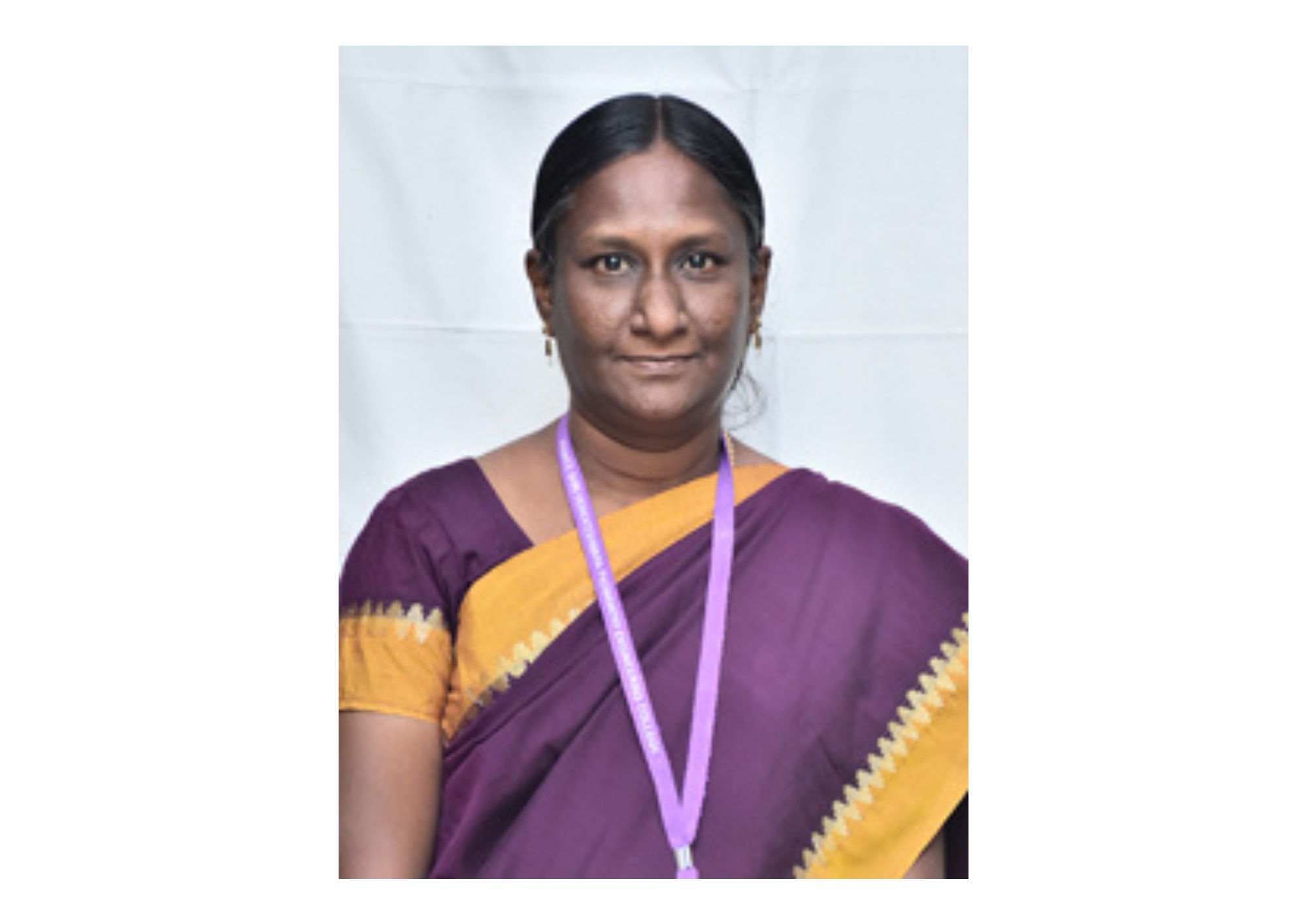
Dr.S.Hemalatha
Associate Professor
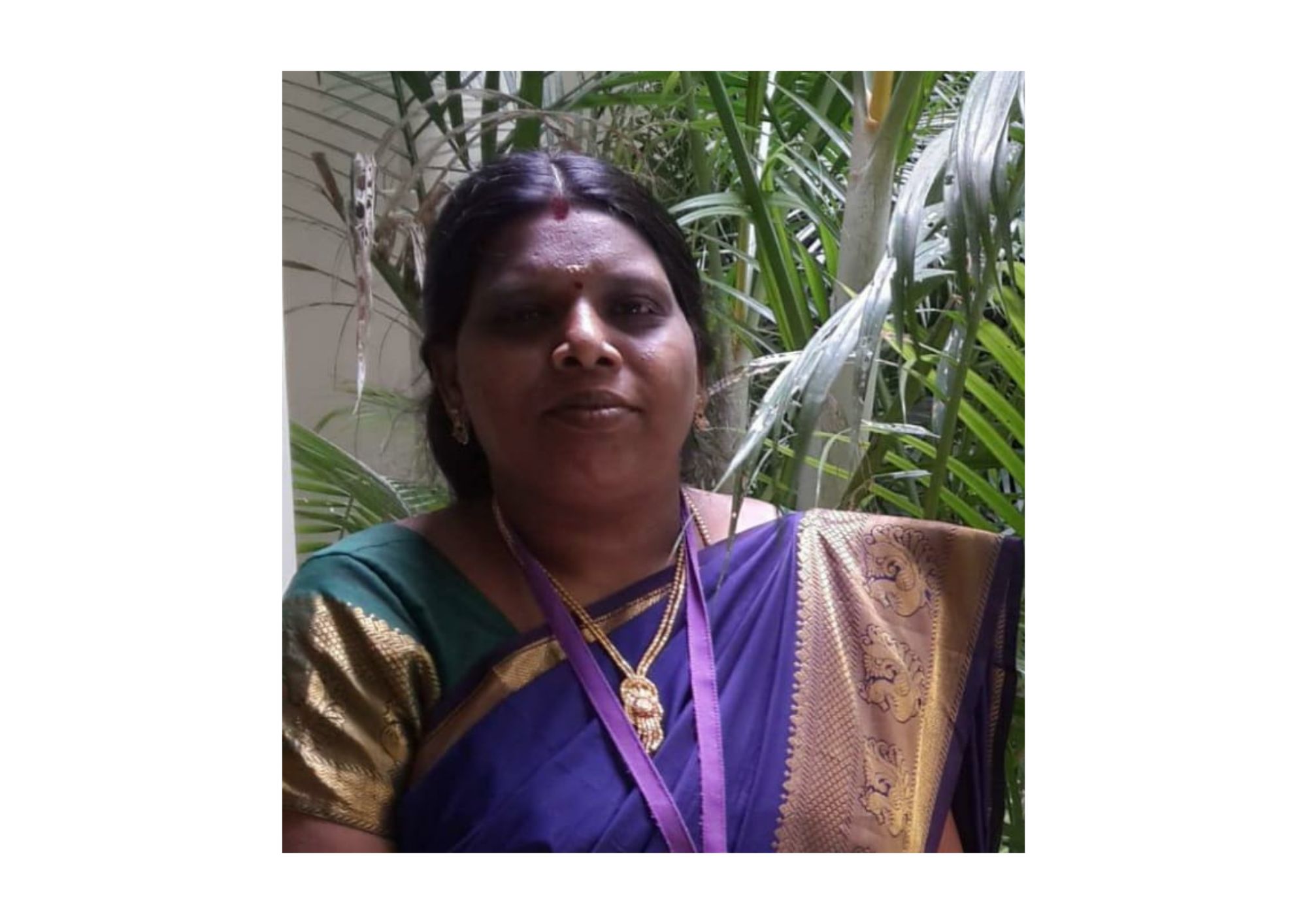
Ms.A.S.Valarmathy M.E.,MBA.,
Assistant Professor
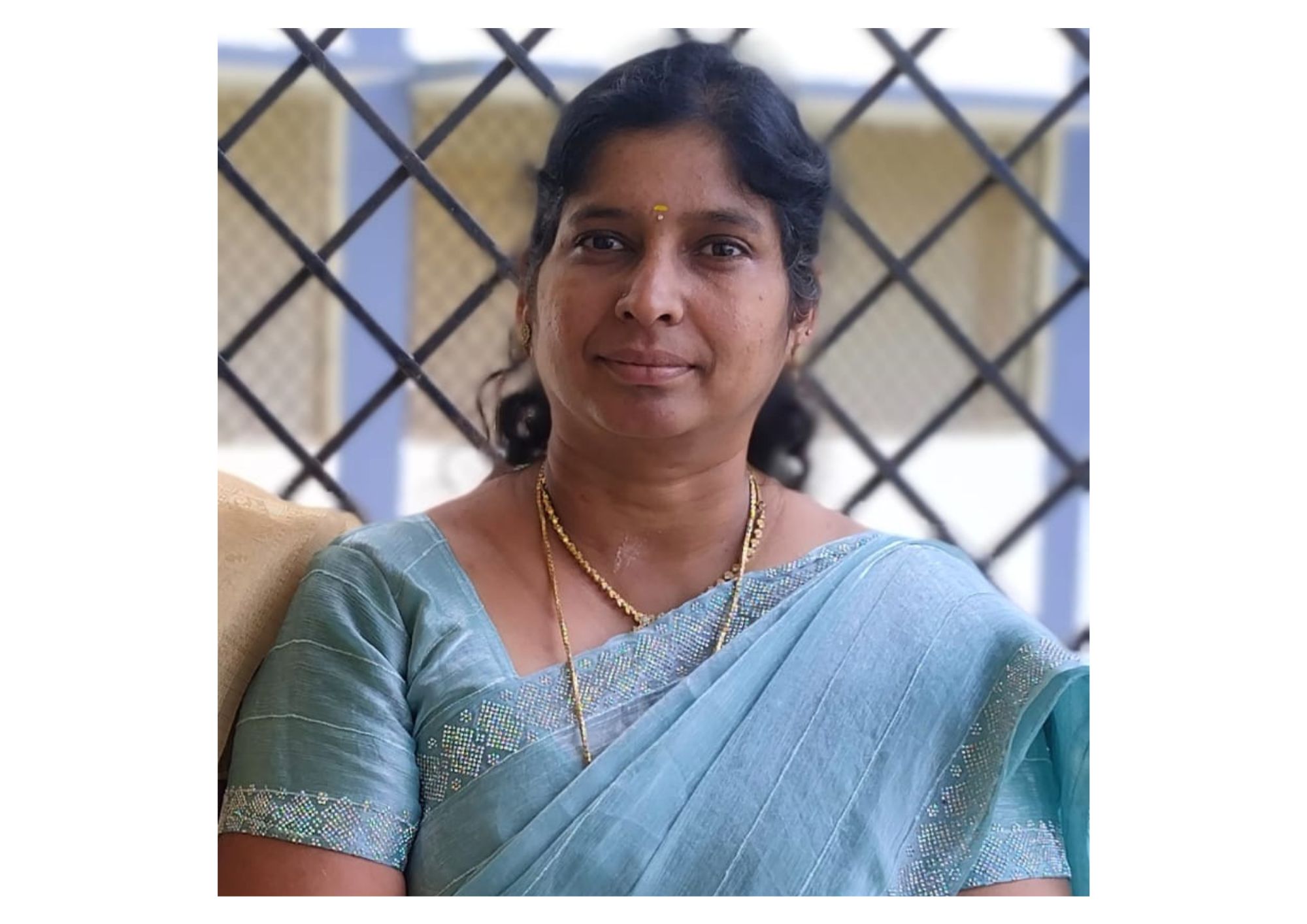
Ms. KALA PRIYADARSHINI G M. E.,
Assistant Professor
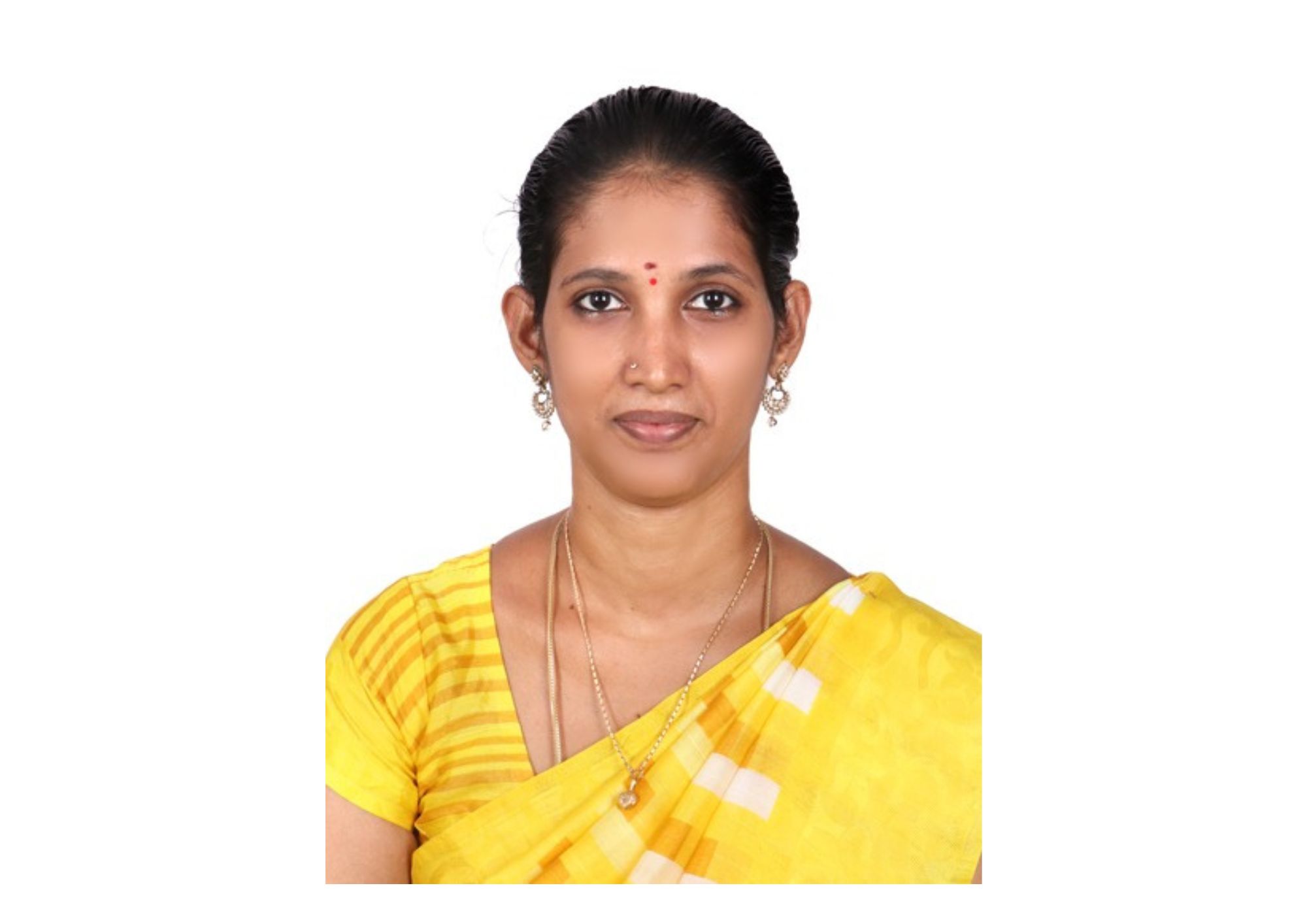
Ms.B.Maheshwari M.E.,
Assistant Professor
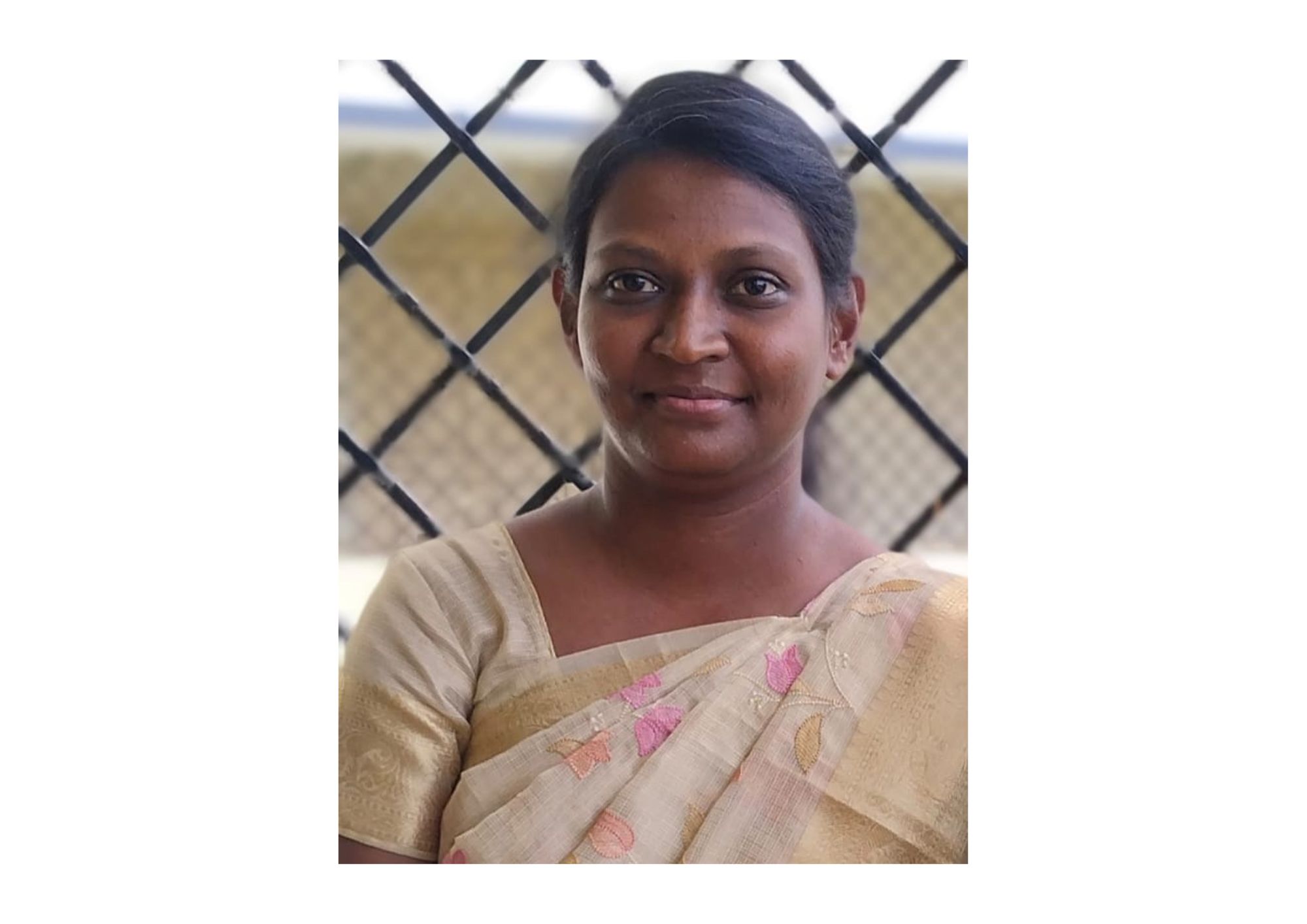
Ms. PRESILLA VASANTHINI K M. E.,
Assistant Professor
self learning
| S.No | Subject | Topic | Staff | Link | View Count |
|---|---|---|---|---|---|
|
1. |
Basic Electrical & Electronics Engg |
Kirchhoff’s Law |
K.Presilla Vasanthni |
Content |
Content |
|
2. |
Basic Electrical & Electronics Engg |
Types of Dc Motor |
G.Kalapriyadarshni |
Content |
Content |
|
3. |
Electromagnetic Fields |
Divergence Theorem |
G.Kalapriyadarshni |
Content |
Content |
Infrastructure
Gallery