B.TECH - INFORMATION TECHNOLOGY

“Empowering Future Innovators with Knowledge, Skills & Industry Excellence.”
-
Message from the Head of the Department
-
About The Department
-
Our Vision & Mission
-
Self Learning
-
Faculty
-
Program Outcomes
-
gallery
-
Achievements
-
Guest Lectures & Workshops
-
Hackathons & Symposiums
-
Industry Connect
-
Lab Facilities
-
Agile Assembly
Message from the Head of the Department –
Information Technology
Welcome to the Department of Information Technology at Prince Shri Venkateshwara Padmavathy Engineering College.
In today’s dynamic digital age, Information Technology plays a pivotal role in shaping the future of industries and society. Our department is committed to nurturing the next generation of IT professionals who are not only technically proficient but also ethically grounded and socially responsible.
At PSVPEC, we emphasize a holistic approach to education. Our curriculum is designed to bridge the gap between theoretical knowledge and real-world applications, equipping students with skills in emerging areas such as Artificial Intelligence, Data Science, Cloud Computing, Cybersecurity, and the Internet of Things. We encourage our students to engage in research, innovation, and interdisciplinary projects through our Centres of Excellence and student innovation platforms.
Our faculty members bring a blend of academic excellence and industry experience, fostering a vibrant learning environment. We take pride in our students accomplishments from securing placements in top-tier companies to presenting papers at national and international conferences.
The department actively collaborates with industry and academic partners to keep our pedagogy relevant and forward-looking. Through internships, workshops, coding contests, and hackathons, we ensure our students stay ahead in the ever-evolving tech landscape.
We invite aspiring technologists to join us in this exciting journey of discovery, innovation, and impact.
Warm regards,
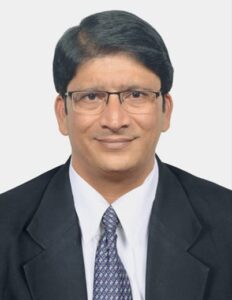
Dr. D. VENKATA SUBRAMANIAN, B.E, M.S. (Engg., USA), Ph.D, P.D.F
PROFESSOR AND HEAD OF THE DEPARTMENT
Email:venkatasubramanian.d.it@psvpec.in
Mobile Number : +91 9941562171
ABOUT THE DEPARTMENT
Our department is a young and dynamic hub of learning, driven by enthusiastic students and a vibrant team of faculty members. The staff brings together diverse technological expertise, holding various skill certifications, and employs innovative teaching pedagogies to enhance student knowledge.
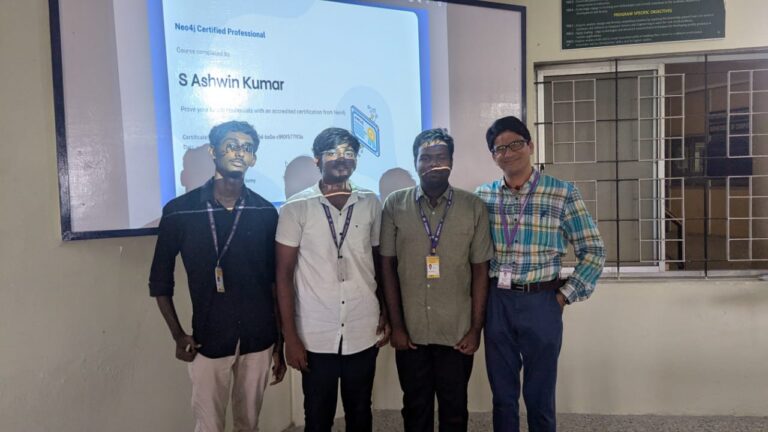
We take pride in our state-of-the-art lab infrastructure, equipped with cutting-edge hardware and software, tailored to support both integrated courses and value-added programs in the latest technology domains. We also conduct specialized value-added courses and actively encourage our students to earn certifications in modern technologies, including Neo4j, Google, AWS, Microsoft, Power BI, Flutter, and more.
Additionally, we provide continuous mentoring to help students upgrade their skills through online platforms such as NPTEL, Udemy, and other recognized resources. Our commitment to fostering a modern and engaging learning environment empowers students to excel in the ever-evolving field of technology.
Our Vision & Mission


VISION
To produce competent graduates suitable for industries, organization and research at global level by providing quality technical education and by imparting human values to meet the globalized technological society.

MISSION
- To encourage students to become as problem solving individuals by providing an efficient teaching and learning environment with essential resources.
- To promote higher education, research and develop a culture of innovation driven entrepreneurship by inculcating the professional and moral values in the students.
- To bestow opportunity for fostering skills and innovative potential of students through industry-specific methods.
Our Vision & Mission
MISSION
- To encourage students to become as problem solving individuals by providing an efficient teaching and learning environment with essential resources.
- To promote higher education, research and develop a culture of innovation driven entrepreneurship by inculcating the professional and moral values in the students.
- To bestow opportunity for fostering skills and innovative potential of students through industry-specific methods.


VISION
To produce competent graduates suitable for industries, organization and research at global level by providing quality technical education and by imparting human values to meet the globalized technological society.
self learning
E - CONTENT
LECTURE VIDEOS
| S.No | Subject | Topic | Staff | Link | View Count |
|---|---|---|---|---|---|
|
1. |
COMPUTER NETWORKS |
EMAIL PROTOCOLS |
NISHANTHI R |
||
|
2. |
DATABASE MANAGEMENT SYSTEMS |
SQL QUERIES |
NISHANTHI R |
||
|
3.
|
PRINCIPLES OF COMPILER DESIGN |
e-NFA to DFA conversion |
LATHA B |
||
|
4. |
NUERAL NERWORKS AND DEEP LEARNING |
REGULARIZATION |
LATHA B |
||
|
5. |
CRYPTOGRAPHY AND NETWORK SECURITY |
DIFFIE-HELLMAN KEY EXCHANGE ALGORITHMS |
LATHA B |
||
|
6.
|
ARTIFICIAL INTELLIGENCE AND DEEP LEARNING |
INTRODUCTION AND BASIC CONCEPTS OF AI |
LATHA B |
||
|
7. |
DESIGN AND ANALYSIS OF ALGORITHMS |
MERGE SORT |
LATHA B |
||
|
8. |
PROGRAMMING IN C |
SIMPLE PROGRAMS |
P G USHARANI |
||
|
9. |
PROBLEM SOLVING USING PYTHON |
ALGORITHMS |
P G USHARANI |
||
|
10. |
DATACOMMUNICATION AND NETWORKING |
FTP |
K REVATHI |
||
|
11. |
DATA SCIENCE |
VARIABLES AND FUNCTIONS |
K REVATHI |
||
|
12
|
DTI
|
DTI
|
Latha B
|
||
|
13. |
Theory of Computation
|
Regular Expression to NFA |
Ms REENA
|
||
|
14. |
Cloud Computing
|
Data Security and Storage
|
Ms REENA
|
||
|
15. |
AIML-GBFS
|
A Star Algorithms
|
Ms REENA
|
||
|
16. |
Compiler Design
|
Phases of Compiler
|
Ms REENA
|
||
|
17. |
PROBLEM SOLVING PYTHON
|
PROBLEM SOLVING |
Mr VIGNESH |
Department of Information Technology
Dr. D. VENKATA SUBRAMANIAN, B.E, M.S. (Engg., USA), Ph.D, P.D.F
PROFESSOR
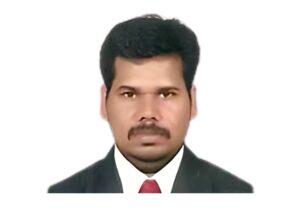
Dr. P.Balakumar M.E., Ph.D.
PROFESSOR
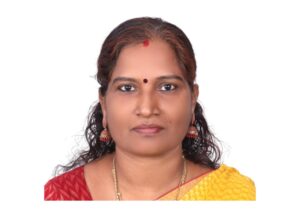
Ms.B.Latha M.Tech
Assistant Professor
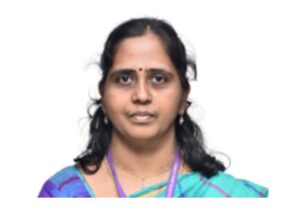
Ms.R.Reena M.E.,
Assistant Professor
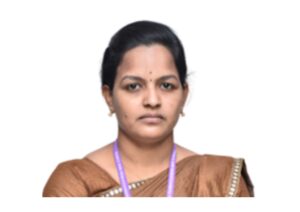
Ms.P.Allirani M.E.,
Assistant Professor
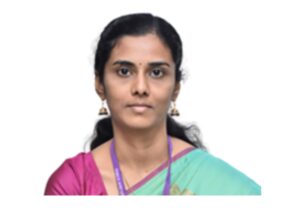
Ms.R.Nishanthi M.E.,
Assistant Professor
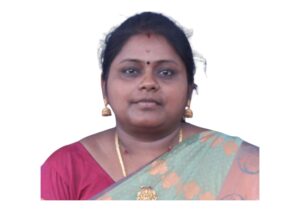
Ms.K.Revathi M.E.,
Assistant Professor
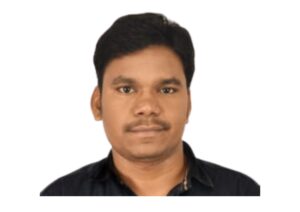
Mr.T.Vignesh M.E.,
Assistant Professor
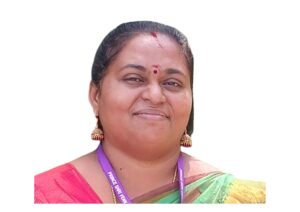
Ms.P.G.Usharani M.Tech.
Assistant Professor
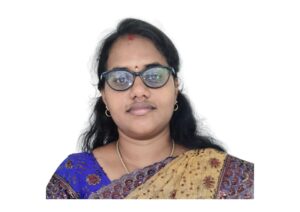
Ms.A.Suganya M.E.,
Assistant Professor
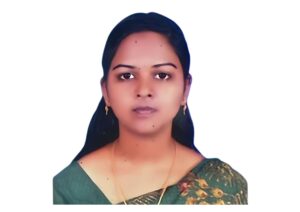
Ms.S.P.Vinitha M.E.,
Assistant Professor
PROGRAMME OUTCOMES (POs)
-
Engineering knowledge: Apply the knowledge of mathematics, science, engineering fundamentals, and an engineering specialization to the solution of complex engineering problems
-
Problem analysis: Identify, formulate, review research literature, and analyze complex engineering problems reaching substantiated conclusions using first principles of mathematics, natural sciences, and engineering sciences
-
Design/development of solutions: Design solutions for complex engineering problems and design system components or processes that meet the specified needs with appropriate consideration for the public health and safety, and the cultural, societal, and environmental considerations
-
Conduct investigations of complex problems: Use research-based knowledge and research methods including design of experiments, analysis and interpretation of data, and synthesis of the information to provide valid conclusions
-
Modern tool usage: Create, select, and apply appropriate techniques, resources, and modern engineering and IT tools including prediction and modeling to complex engineering activities with an understanding of the limitations
-
The engineer and society: Apply reasoning informed by the contextual knowledge to assess societal, health, safety, legal and cultural issues and the consequent responsibilities relevant to the professional engineering practice
-
Environment and sustainability: Understand the impact of the professional Engineering solutions in societal and environmental contexts, and demonstrate the Knowledge of, and need for sustainable development
-
Apply ethical principles and commit to professional ethics and responsibilities and norms of the engineering practice
-
Individual and team work: Function effectively as an individual, and as a member or leader in diverse teams, and in multidisciplinary settings
-
Communication: Communicate effectively on complex engineering activities with the engineering community and with society at large, such as, being able to comprehend and write effective reports and design documentation, make effective presentations, and give and receive clear instructions
-
Project management and finance: Demonstrate knowledge and understanding of the engineering and management principles and apply these to one’s own work, as a member and leader in a team, to manage projects and in multidisciplinary environments
-
Life-long learning: Recognize the need for, and have the preparation and ability to engage in independent and life-long learning in the broadest context of technological change
DEPARTMENT OF INFORMATION TECHNOLOGY
PROGRAMME EDUCATIONAL OBJECTIVES (PEOs)
- PEO 1: Apply the Engineering knowledge and expertise to identify problems with the ability to articulate technologies thereby providing substantial and appropriate solutions.
- PEO 2: Practice the profession with ethical and social responsibility, integrity and leadership quality to meet the societal and industrial needs
- PEO 3: Excel in emerging software technologies and research with the spirit of innovation and entrepreneurship
Program Specific Outcomes (PSOs)
- PSO 1: Apply appropriate techniques, resources, modern engineering tools and IT principles such as software design, data science and analytics for developing quality software products.
- PSO 2: Create innovative paths, explore research gaps and inculcate passion towards higher education that would help them to become an IT professional or an entrepreneur.
gallery
Where Technology Meets Creativity – A Visual Journey
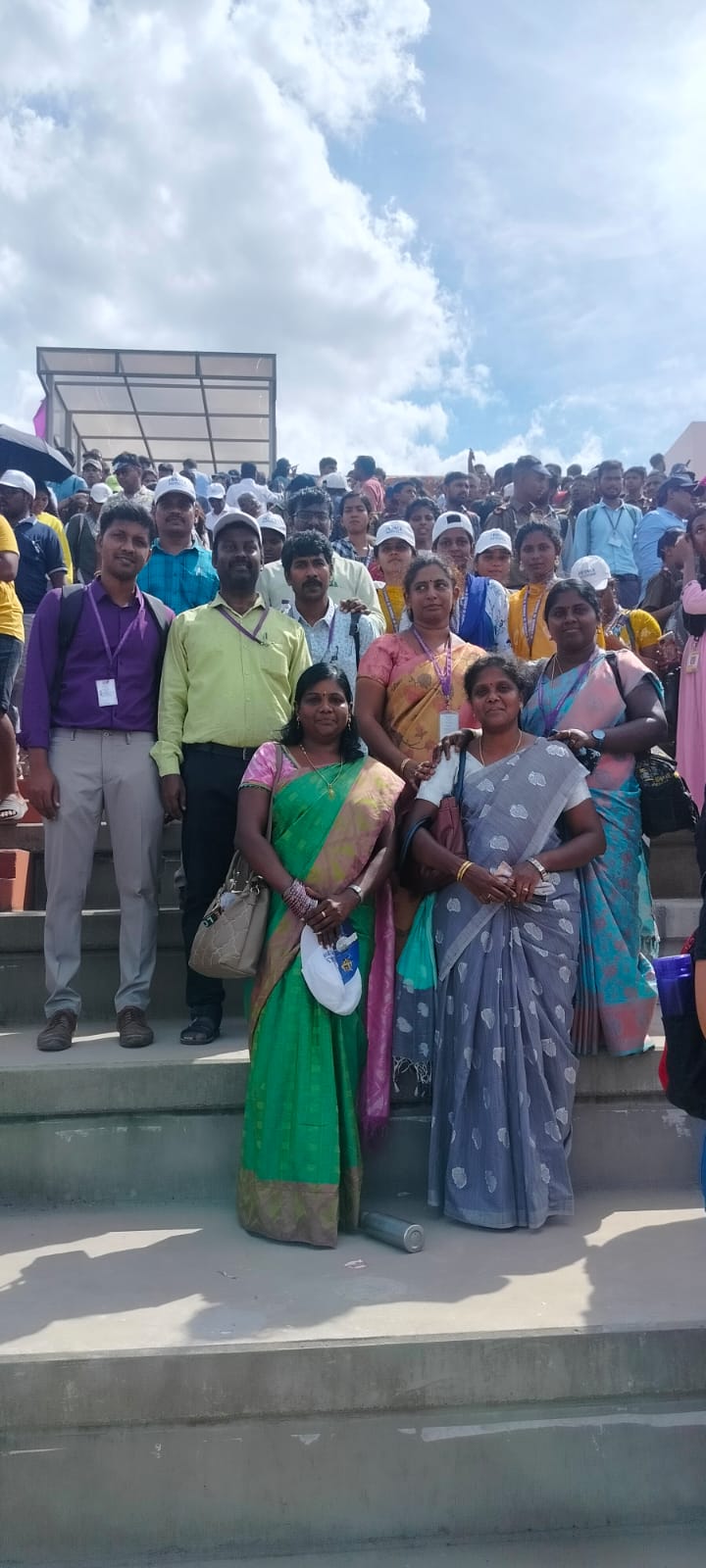
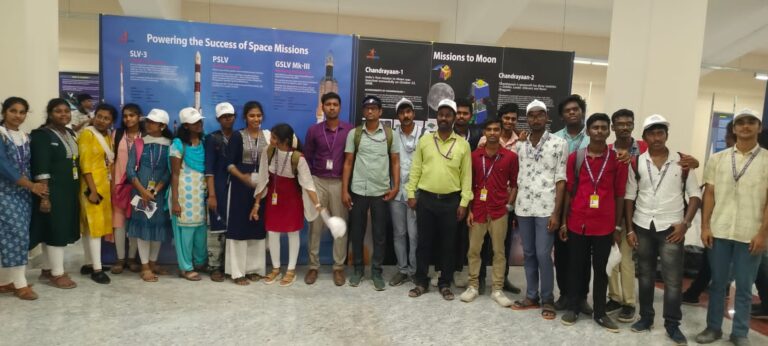
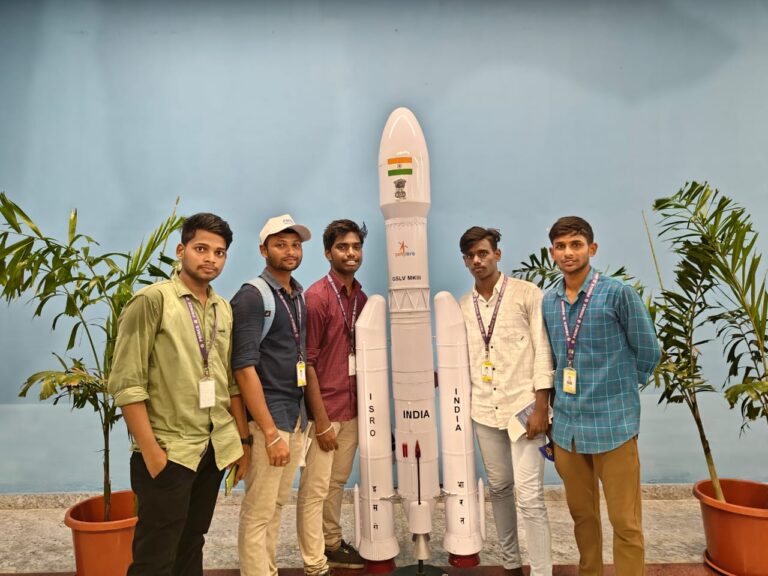
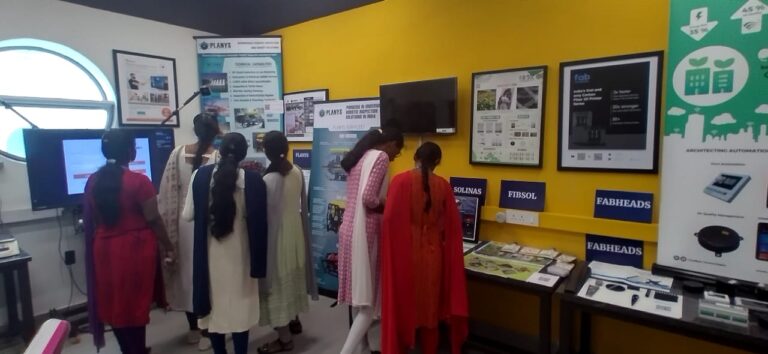
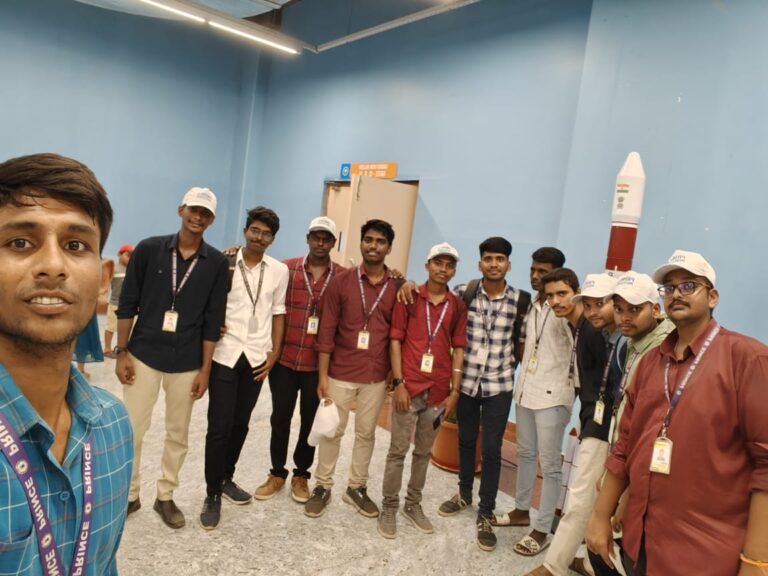
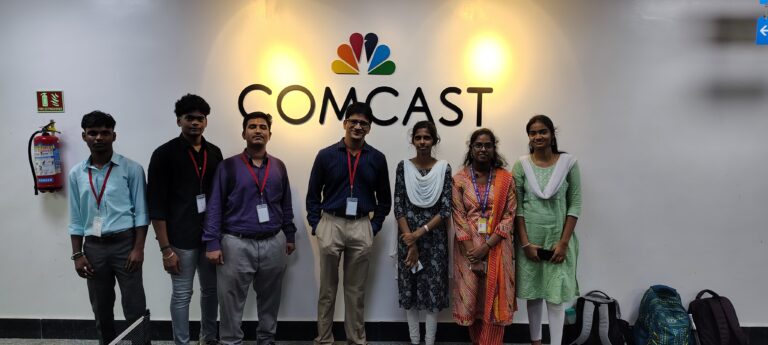
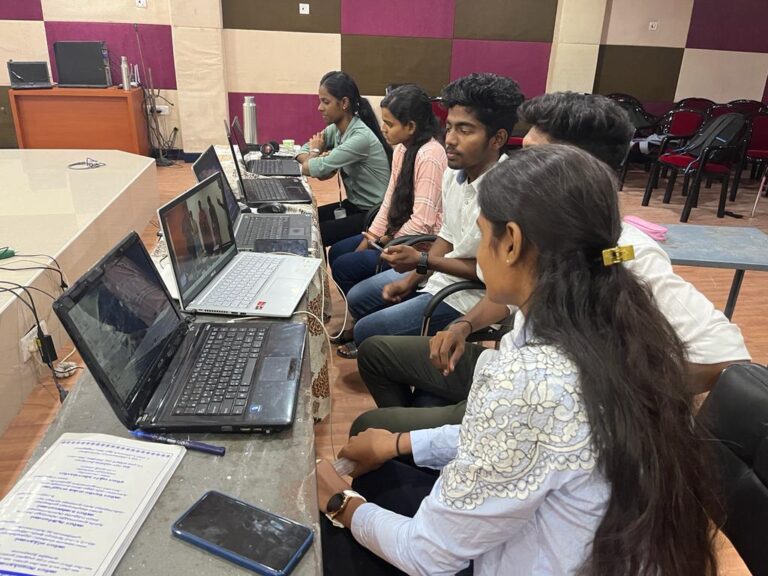
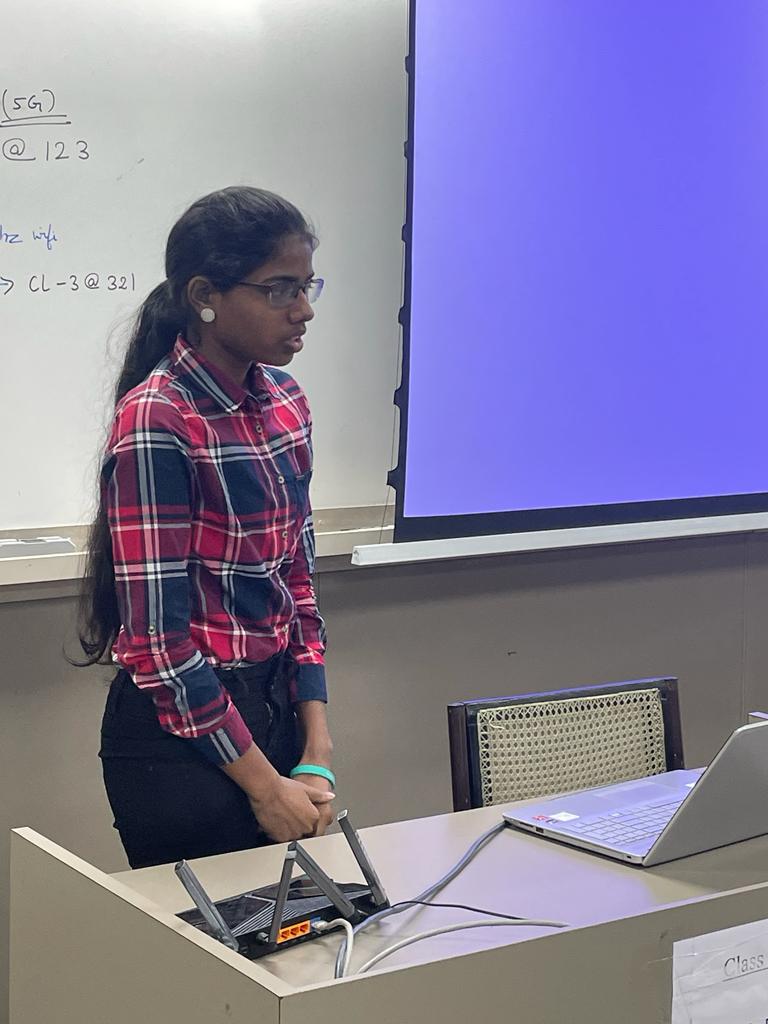
- Welcome to the official gallery of the Information Technology Department at Prince Group of Institutions — a vibrant window into our world of innovation, collaboration, and excellence.
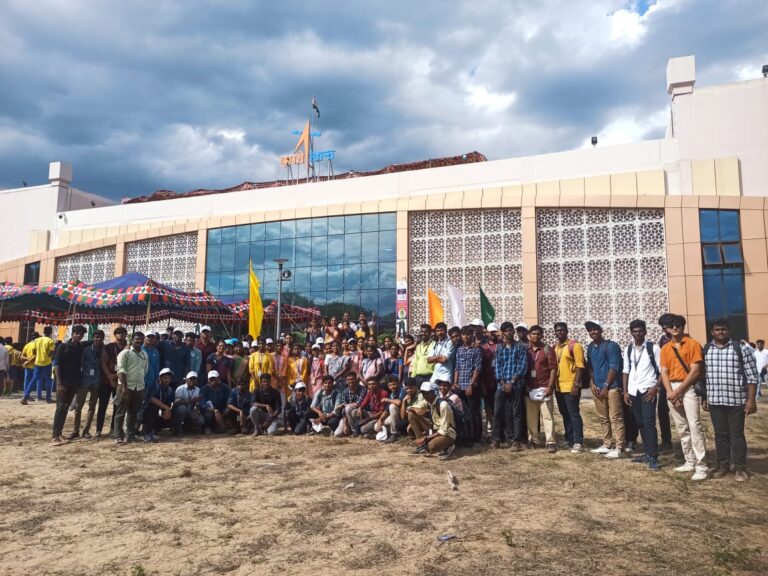
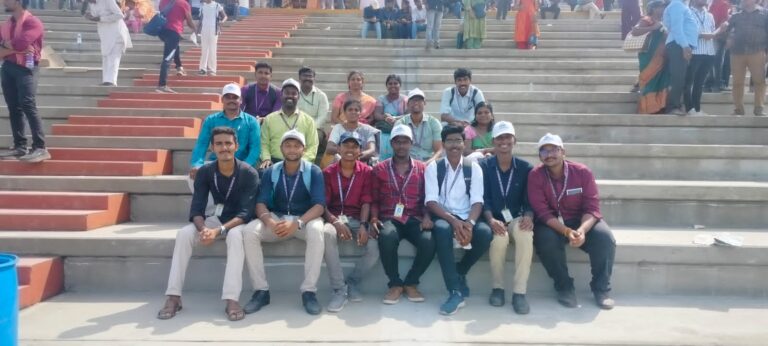
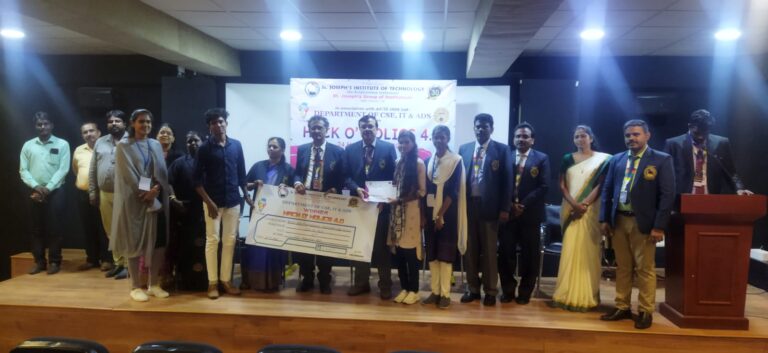
- This curated collection captures the essence of life in the IT Department, showcasing a diverse range of academic and co-curricular activities. From intellectually stimulating guest lectures and hands-on technical workshops to project expos, interdepartmental symposiums, industrial visits, and coding marathons — each moment reflects our students’ enthusiasm and the department’s commitment to nurturing well-rounded professionals.
- Explore glimpses of student-led initiatives, collaborative industry sessions, national-level hackathons, social outreach programs, and festive celebrations — each image narrating a story of growth, learning, and the vibrant campus culture we proudly uphold.
- Step into our gallery and experience the dynamic spirit that drives our students to become the innovators, problem-solvers, and leaders of tomorrow.


Significant Achievements
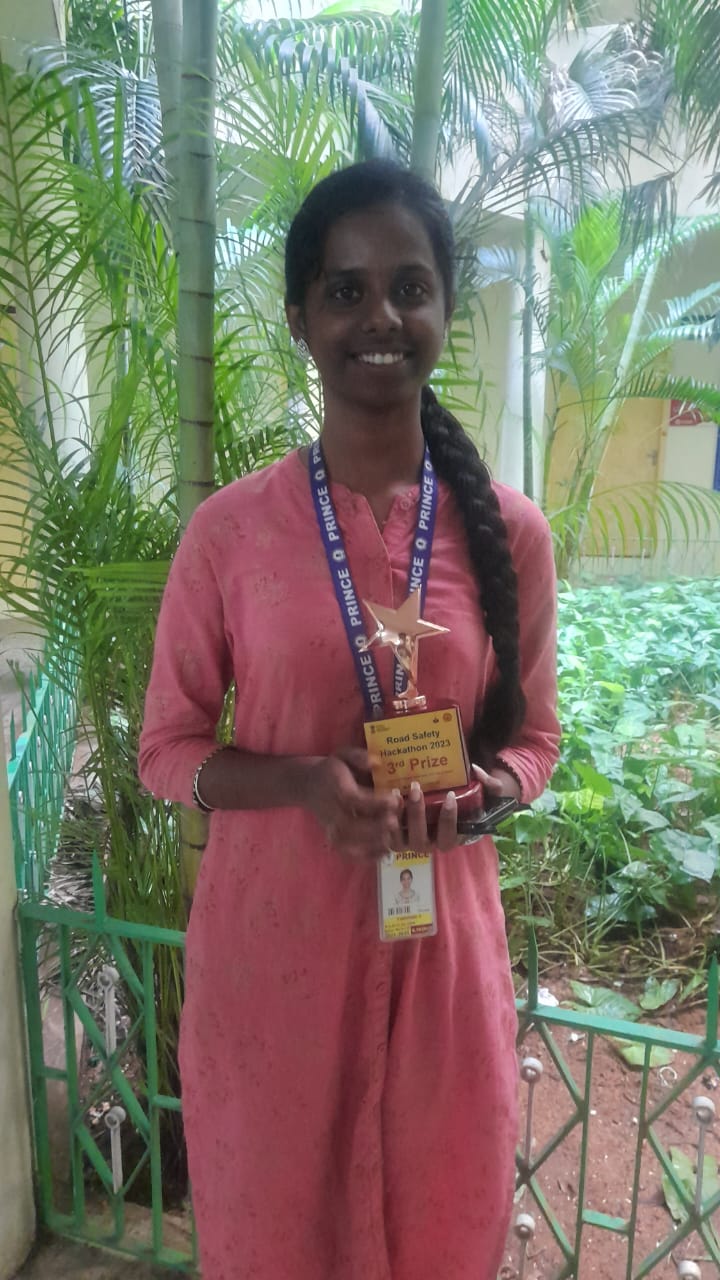
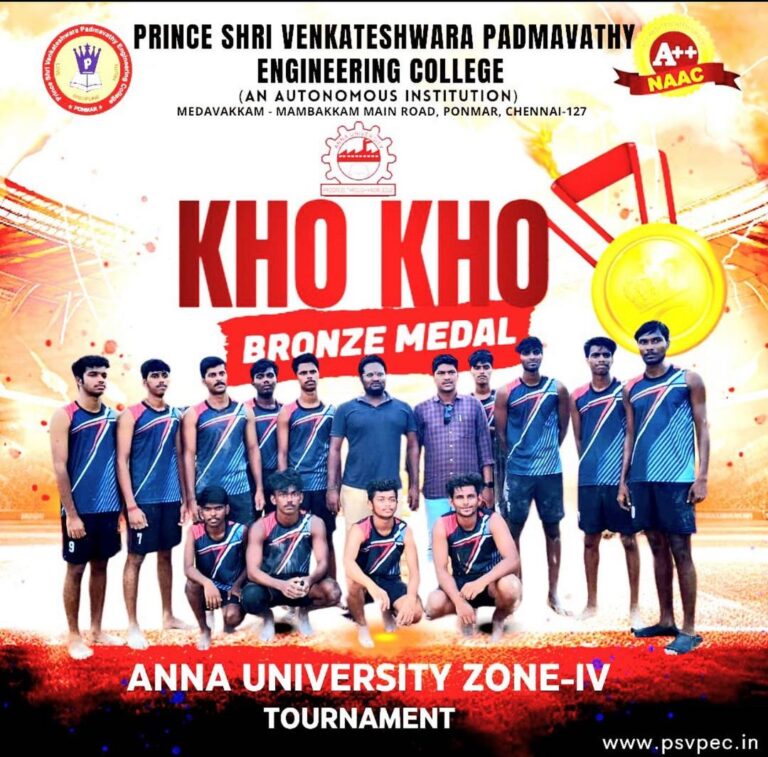
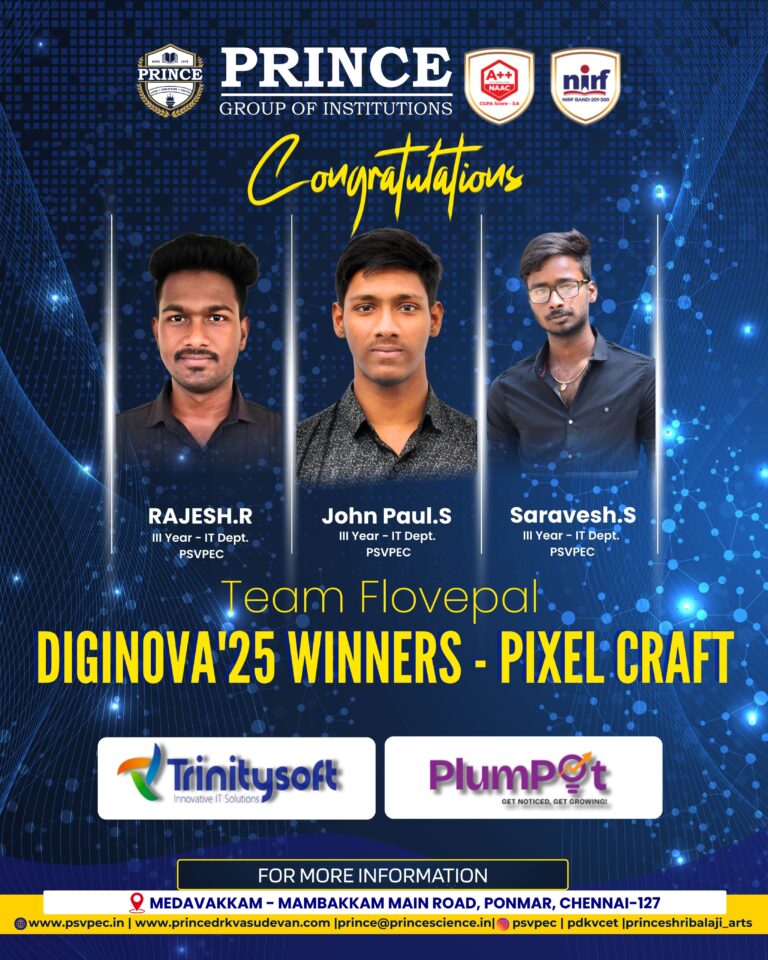
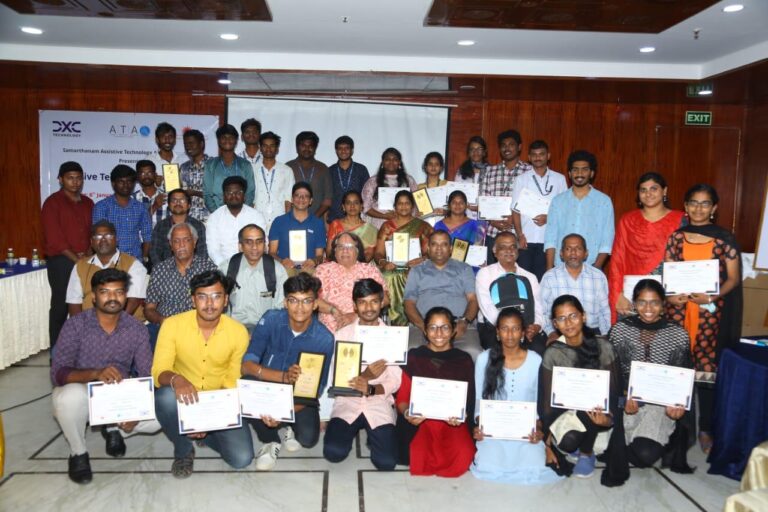
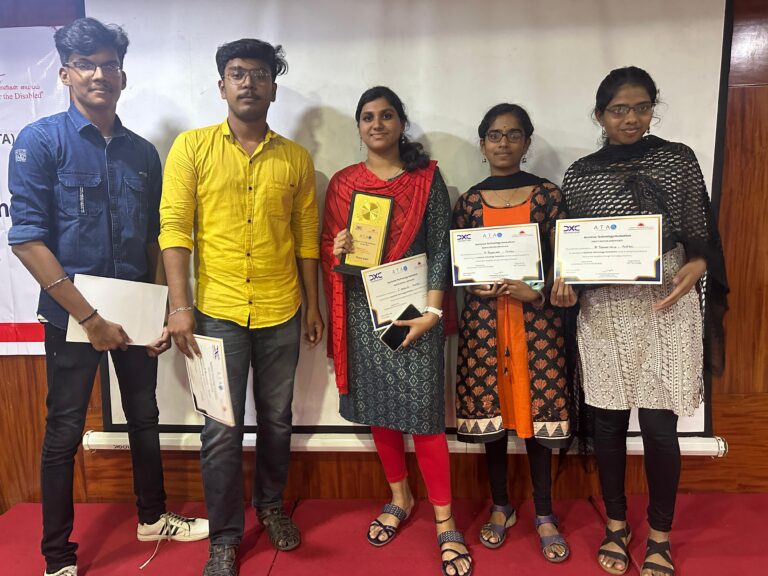
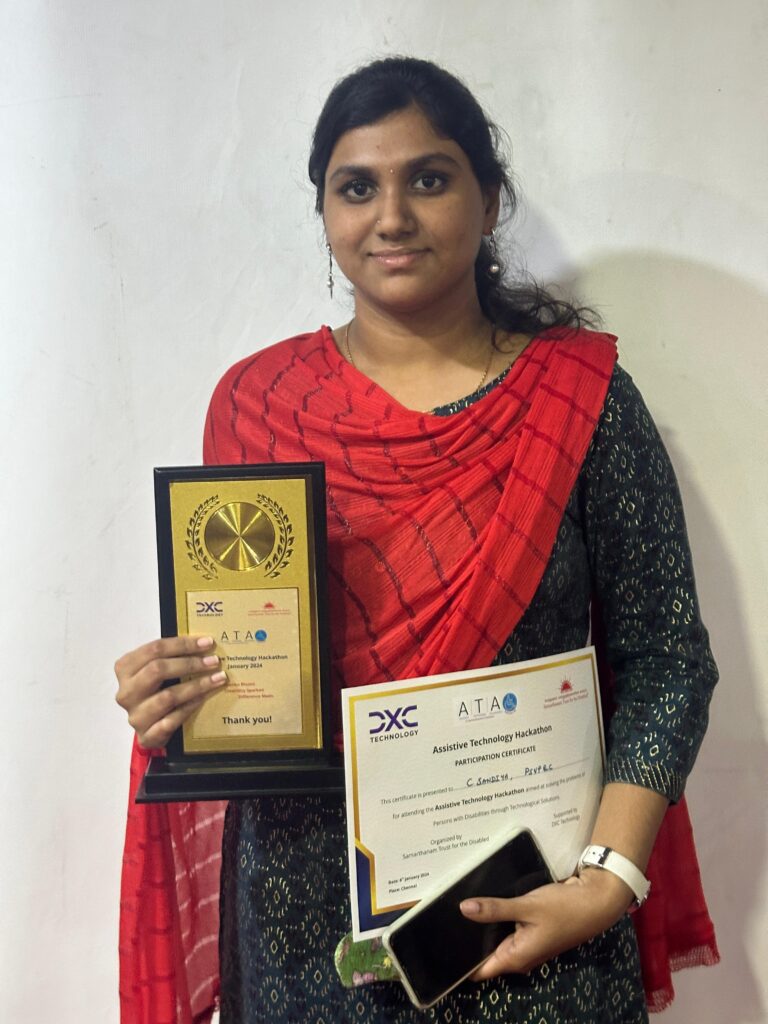
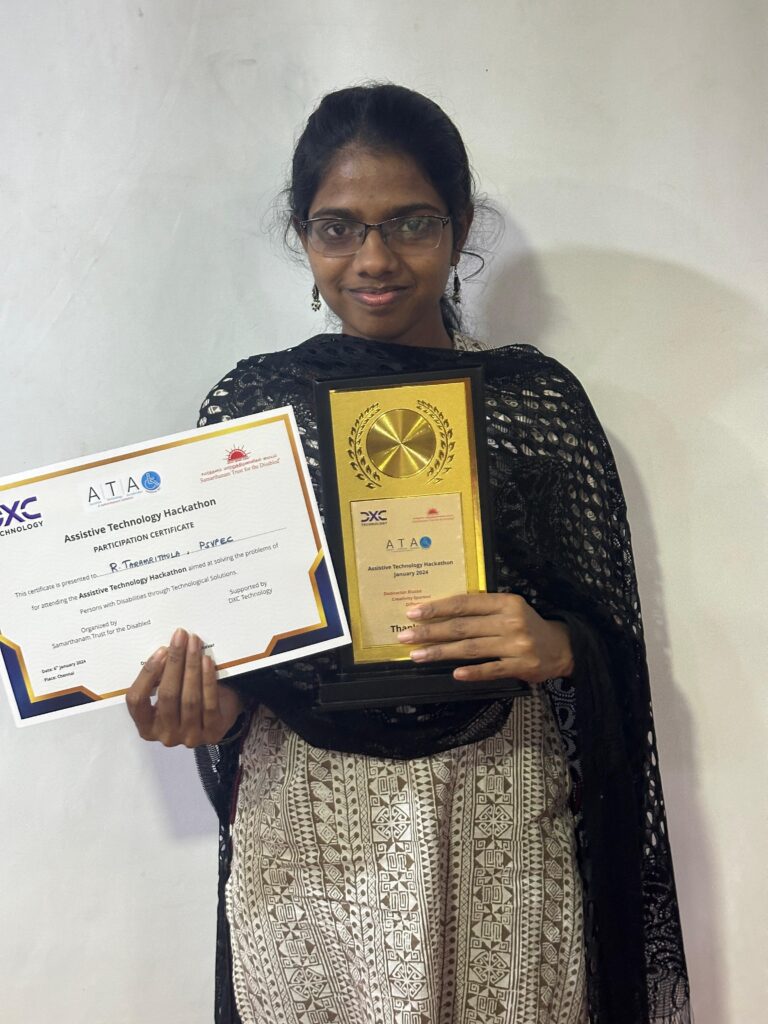
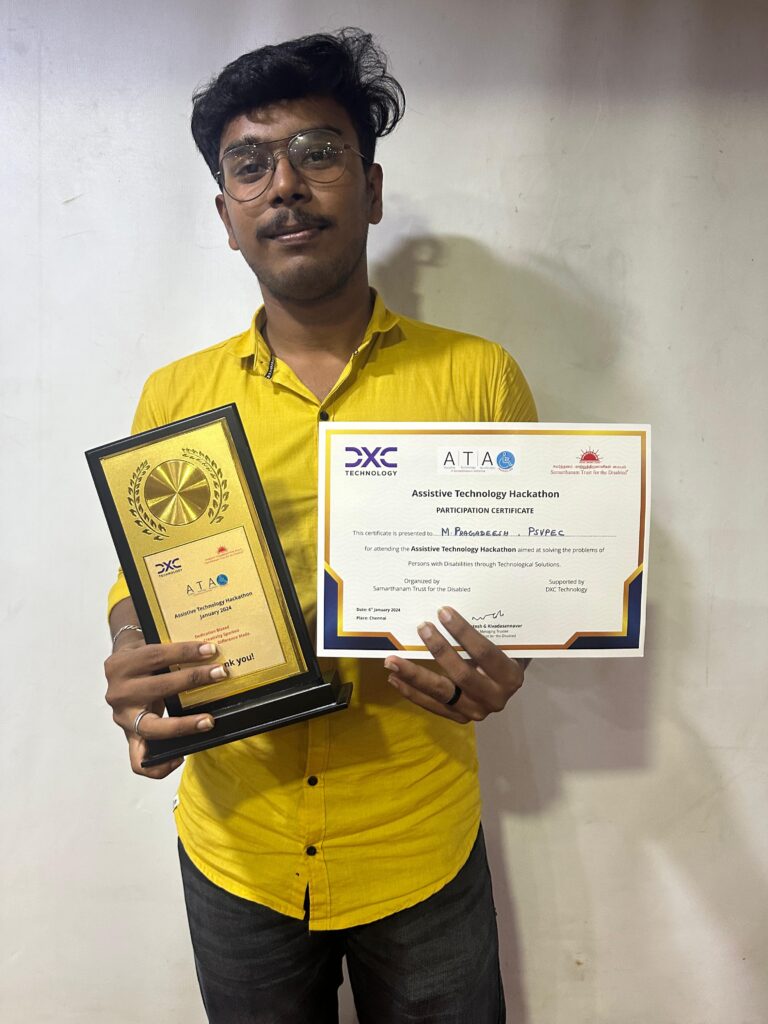
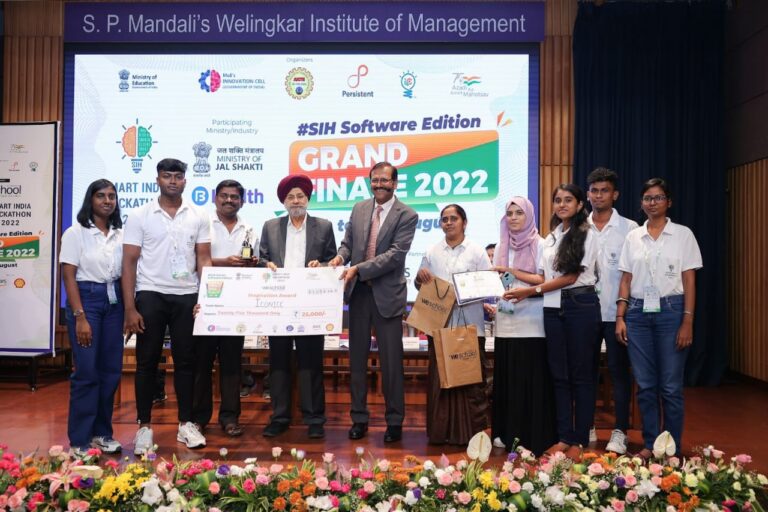
Empowering Innovation, Celebrating Excellence The Department of Information Technology at Prince Group of Institutions has built a reputation for excellence through a strong foundation in academics, innovation, and industry integration. Our students have consistently achieved top university ranks, secured prestigious internships, and gained placements in leading IT companies and startups. They actively participate and win accolades in national-level hackathons, coding competitions, technical symposiums, and paper presentations, showcasing their problem-solving abilities and technical prowess. The department fosters a vibrant research ecosystem, with faculty and students jointly publishing in reputed journals, presenting at conferences, and filing patents in emerging technologies. Our curriculum is enhanced through collaborations with industry partners, enabling students to gain real-time exposure through guest lectures, hands-on workshops, industrial visits, and certification programs. We also take pride in our student-led initiatives such as tech clubs, innovation cells, and community outreach programs, which promote leadership, creativity, and social responsibility. Alongside technical accomplishments, our students have also brought laurels in sports, cultural fests, and intercollegiate events, making the department a hub of balanced and holistic development. With a commitment to shaping future-ready IT professionals, the department continues to set new benchmarks of excellence every year.
Guest Lectures & Seminars
Bridging Academia and Industry Through Expert Insights
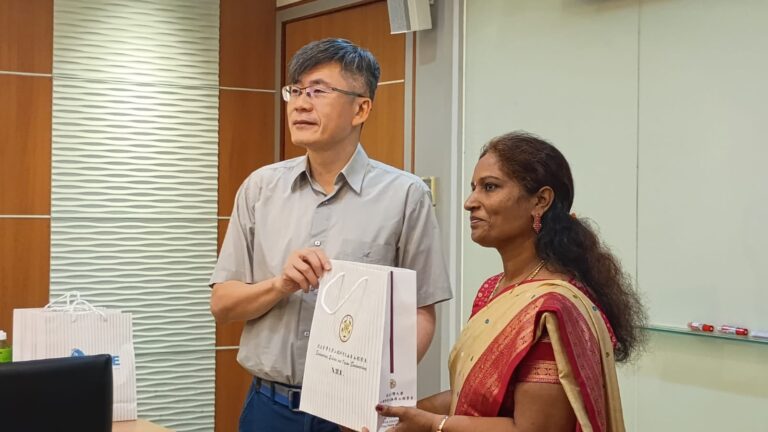
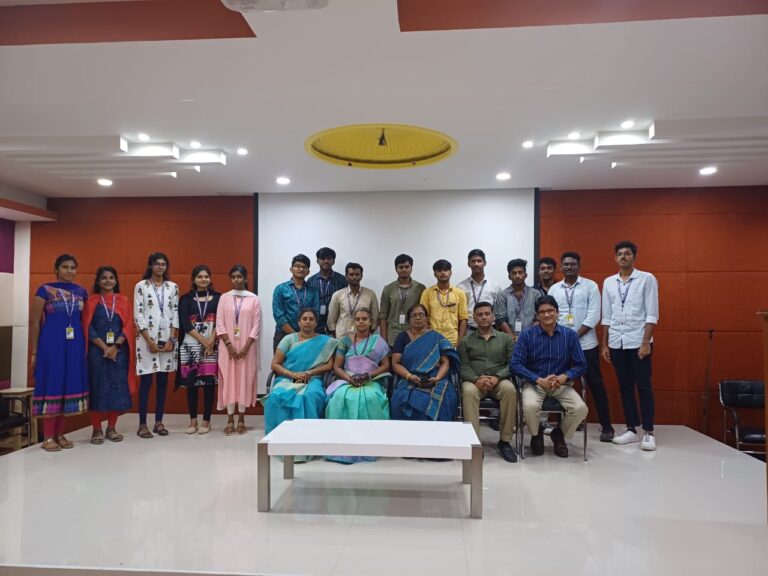
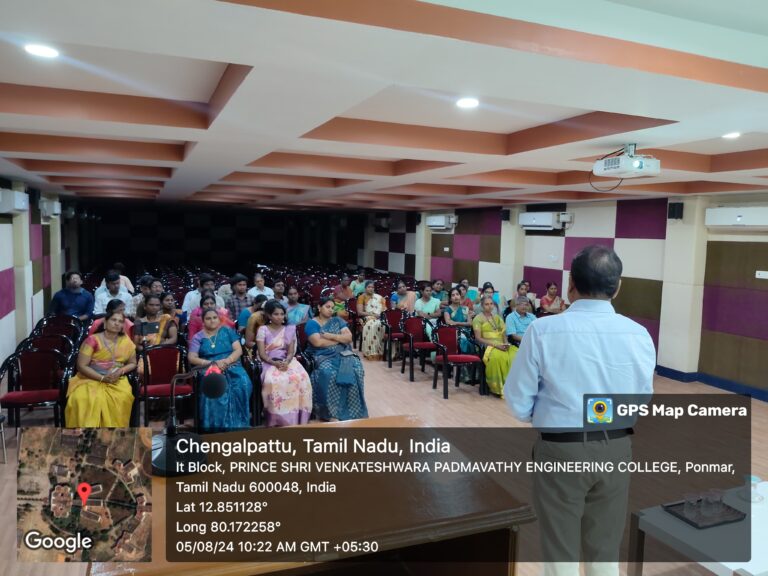
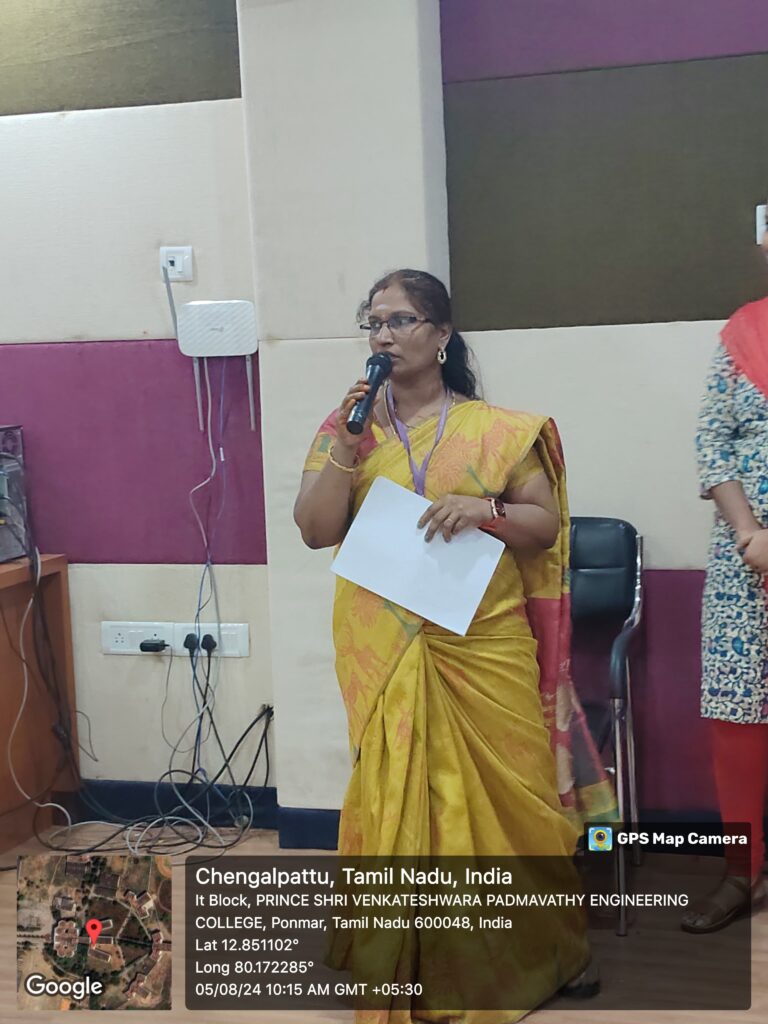
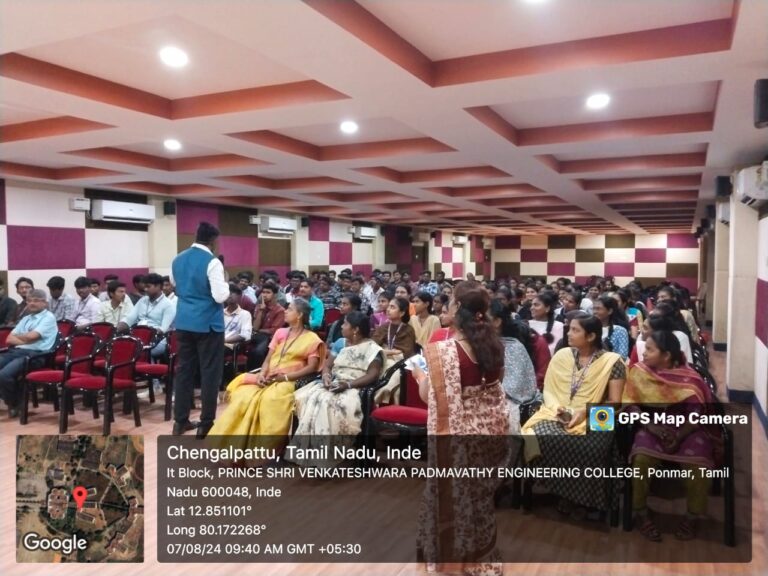
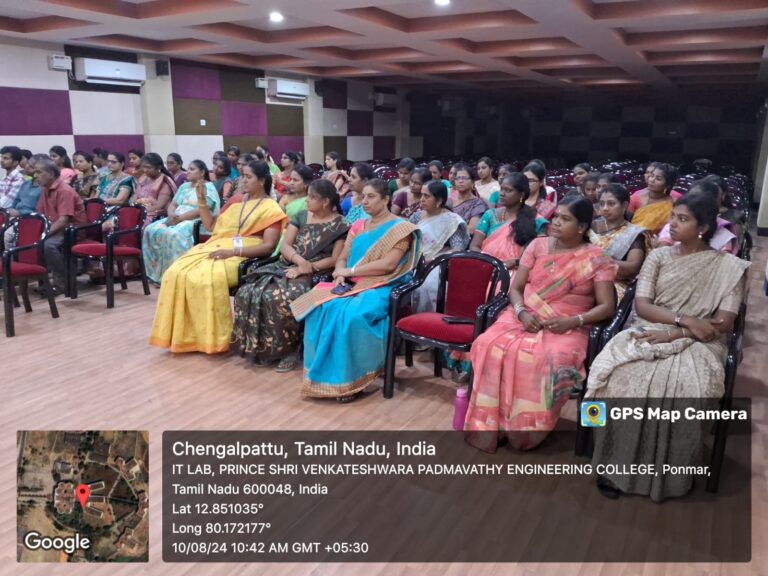
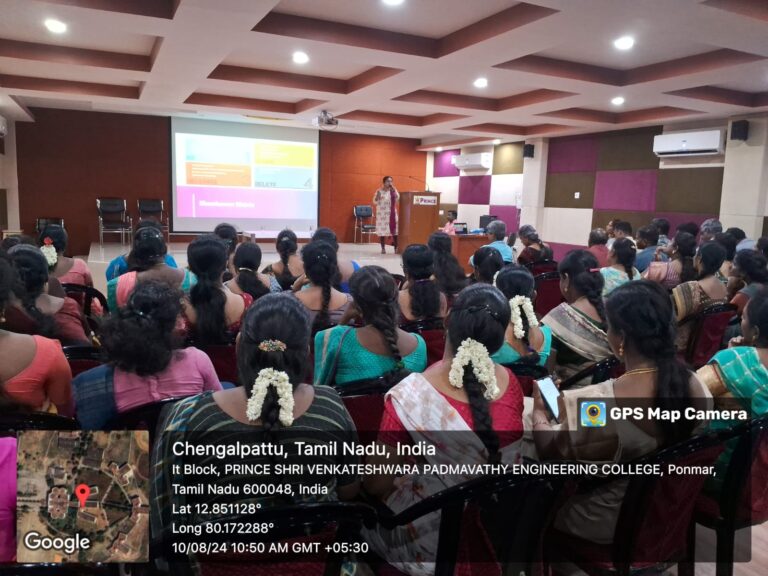
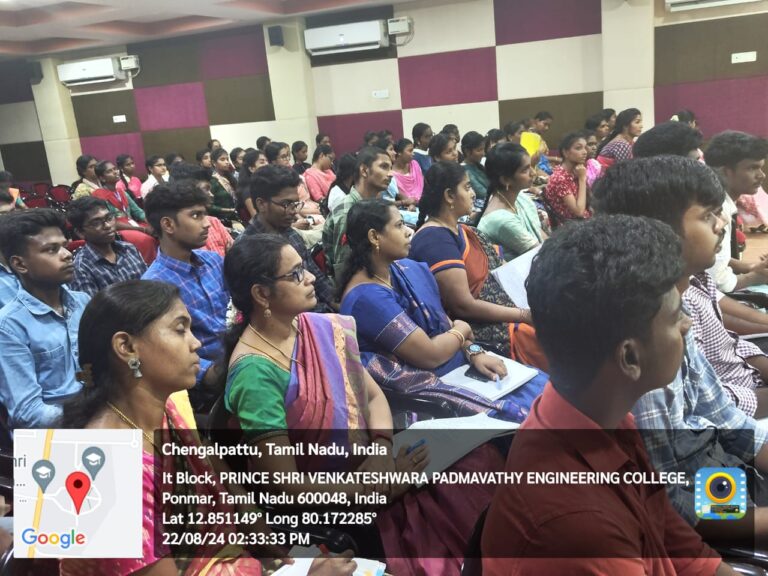
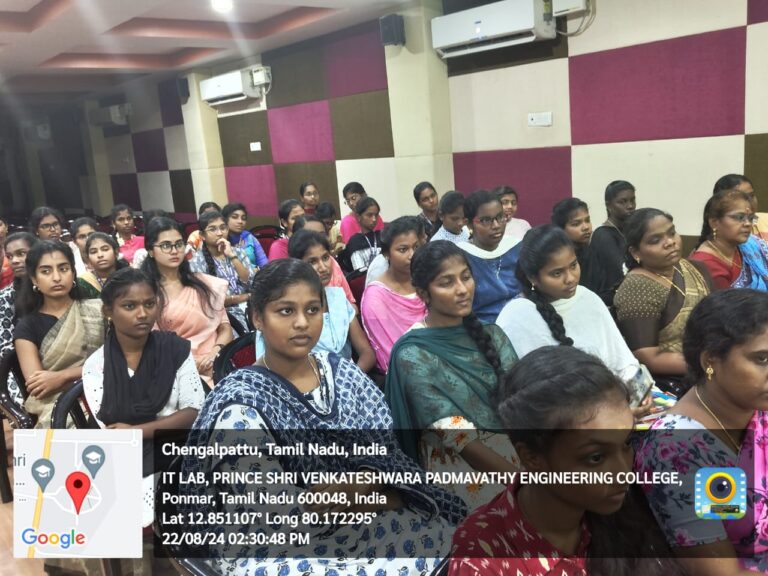
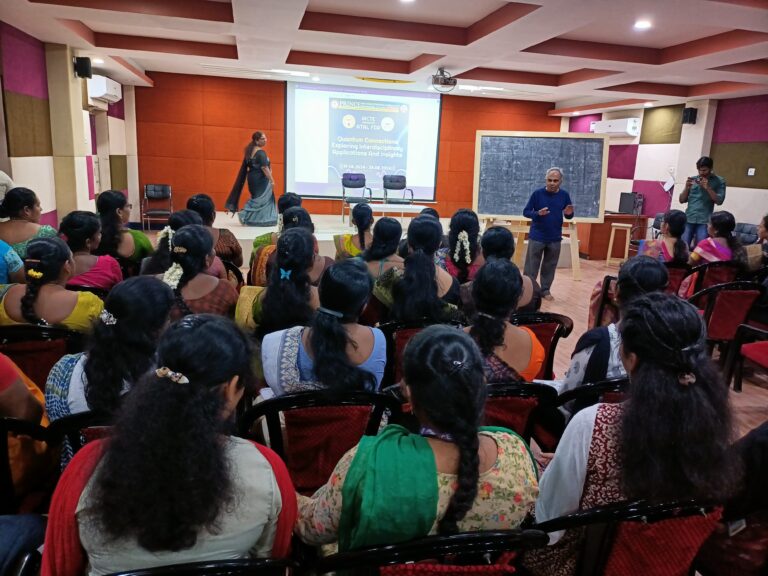
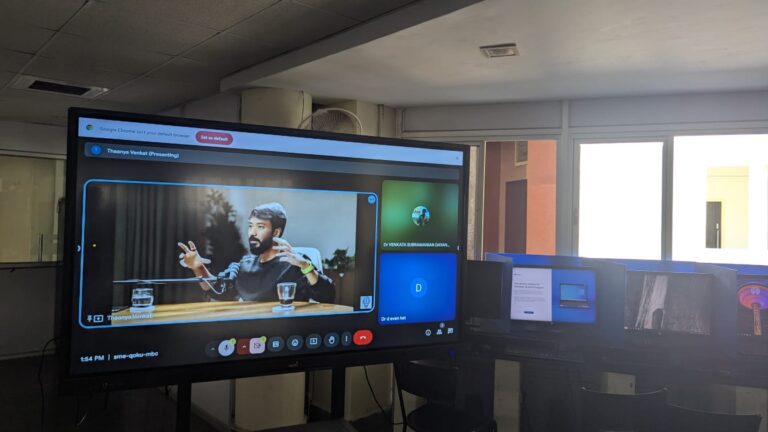
The Department of Information Technology at Prince Group of Institutions places strong emphasis on continuous learning beyond the classroom. As part of this vision, we regularly organize guest lectures and seminars featuring distinguished professionals from top-tier IT companies, research organizations, and leading universities. These sessions provide students with valuable exposure to emerging trends in areas such as Artificial Intelligence, Machine Learning, Blockchain, Cybersecurity, Cloud Computing, and Software Development.
By interacting with industry experts and academic researchers, students gain firsthand knowledge of real-world applications, current challenges, and technological innovations shaping the future. These events also help in enhancing critical thinking, fostering innovation, and encouraging students to align their academic pursuits with industry expectations. Through these intellectually enriching engagements, the department cultivates a culture of curiosity, inspiration, and lifelong learning.
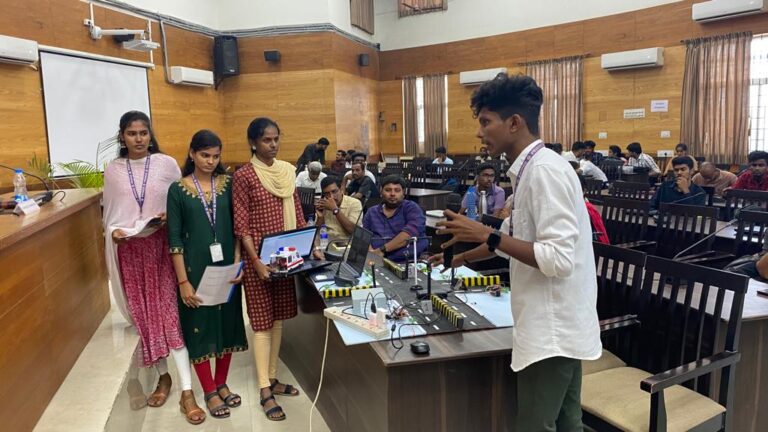
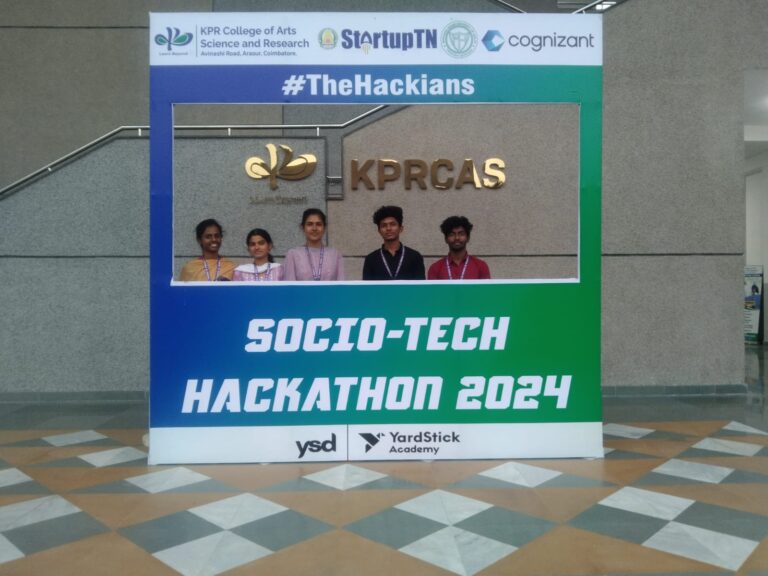
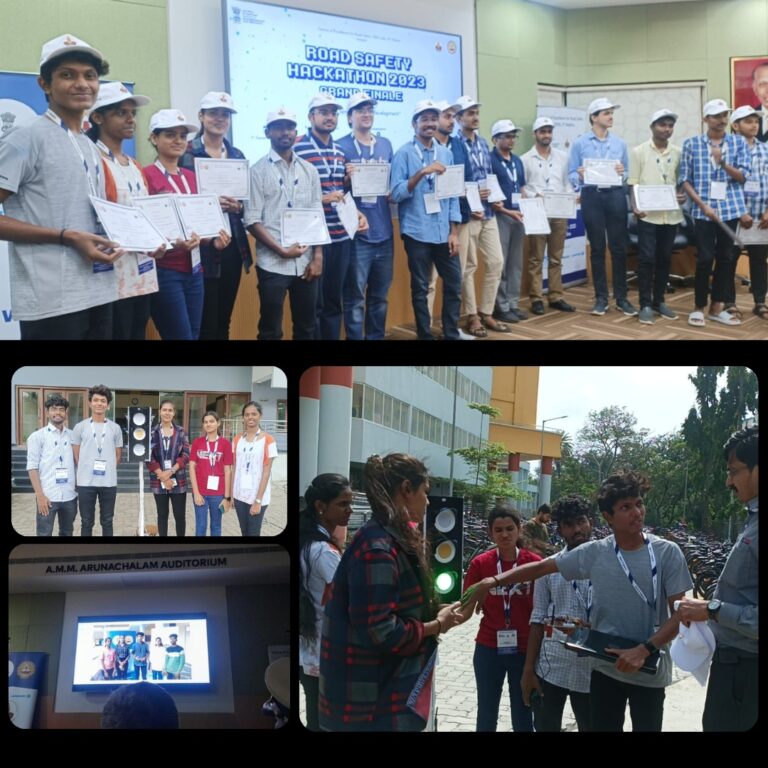
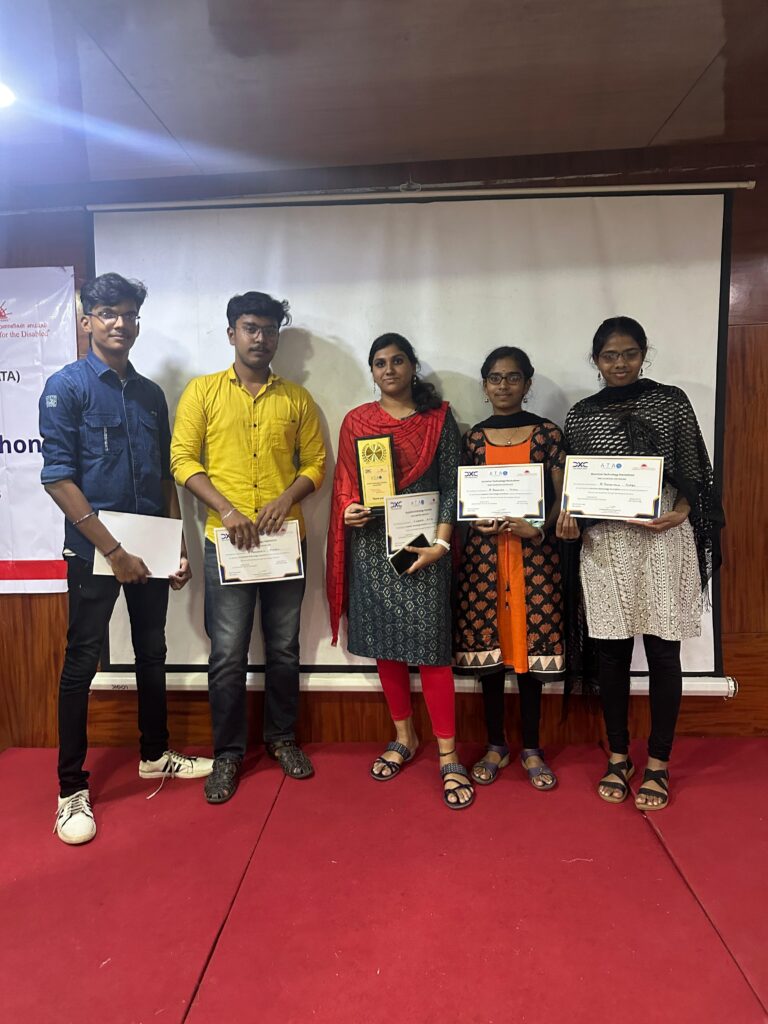
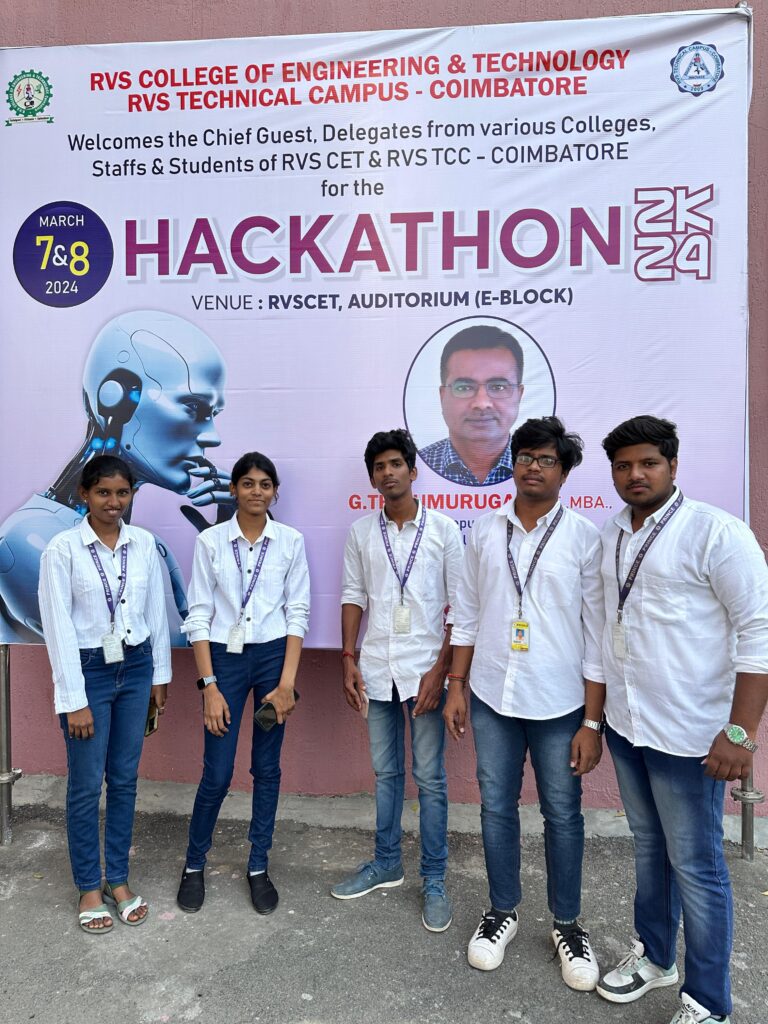
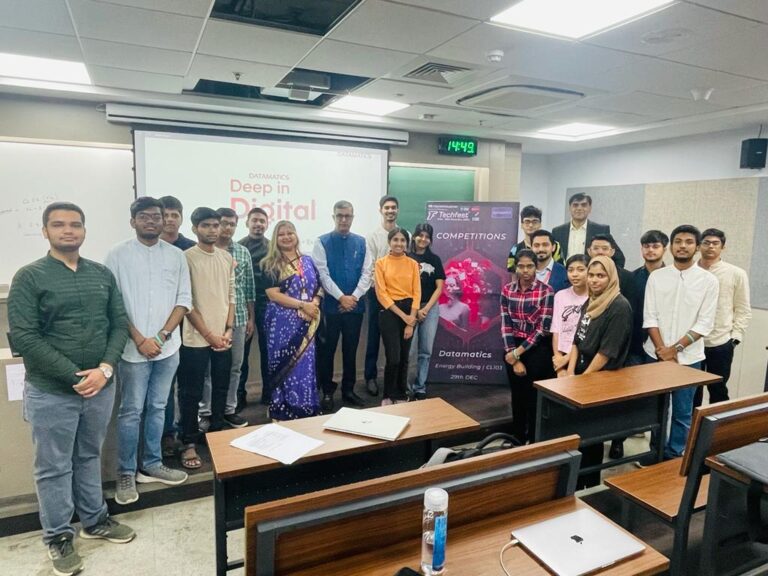
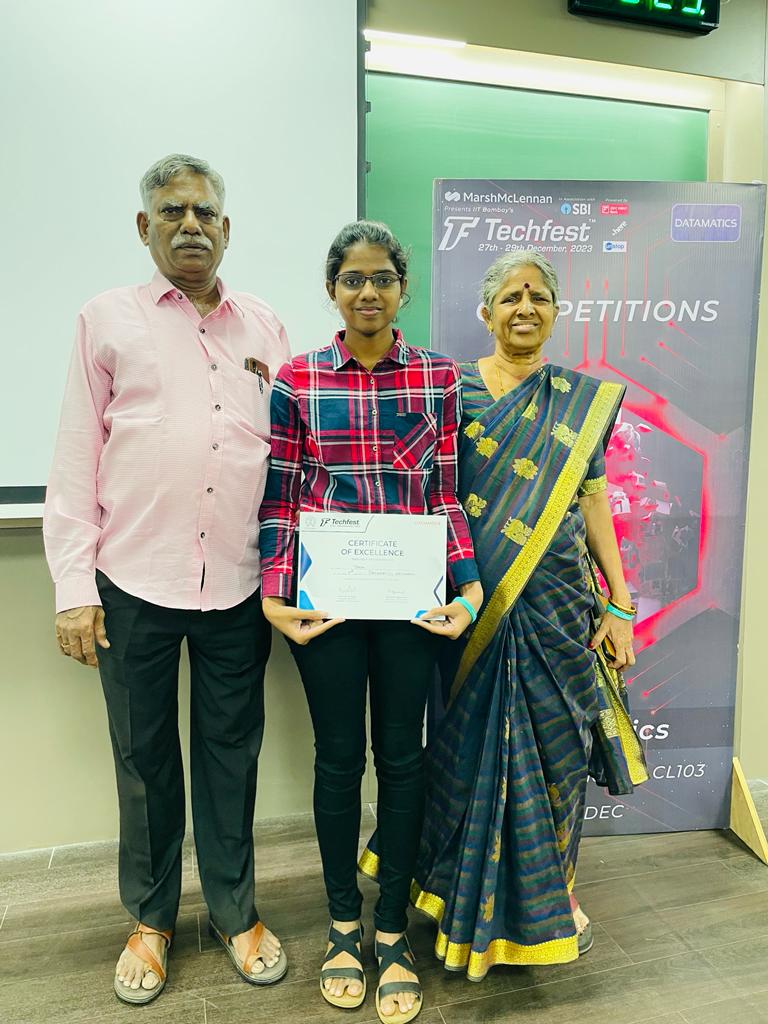
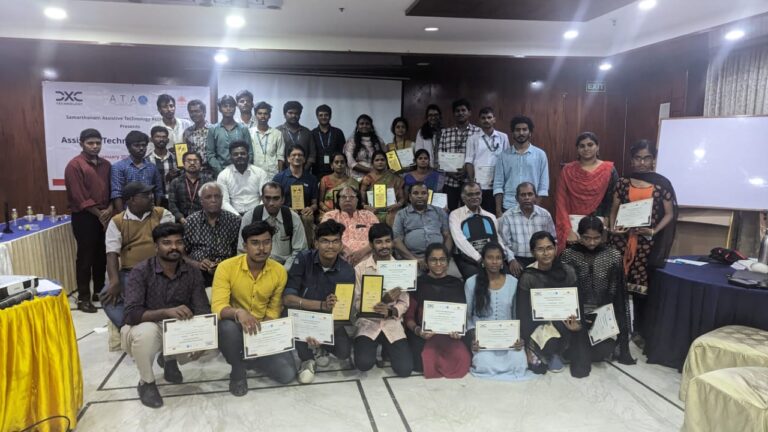
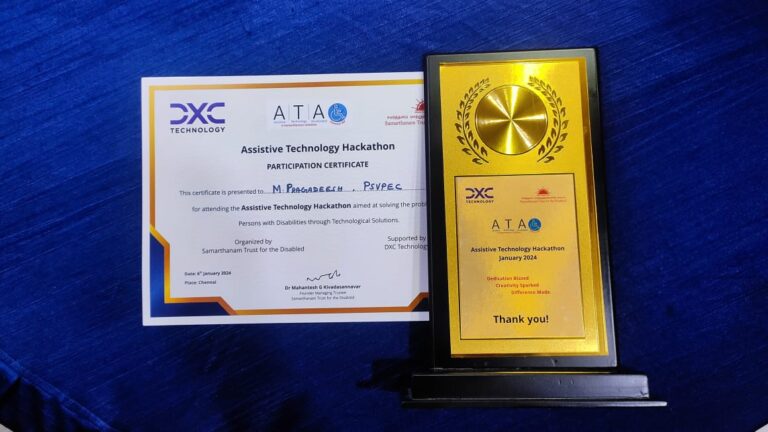
Hackathons & Symposiums
- Fostering Innovation, Collaboration & Technical Excellence
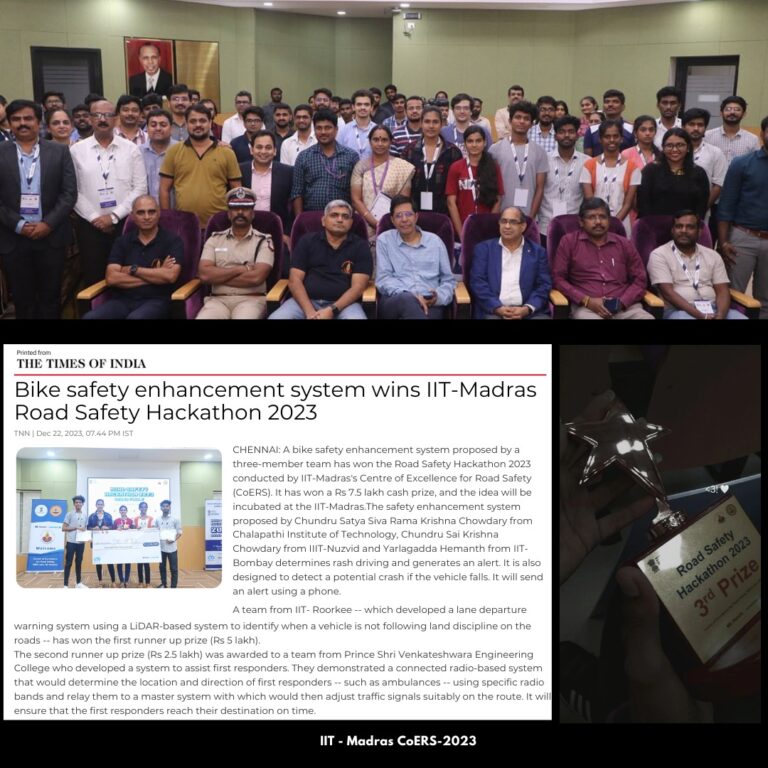
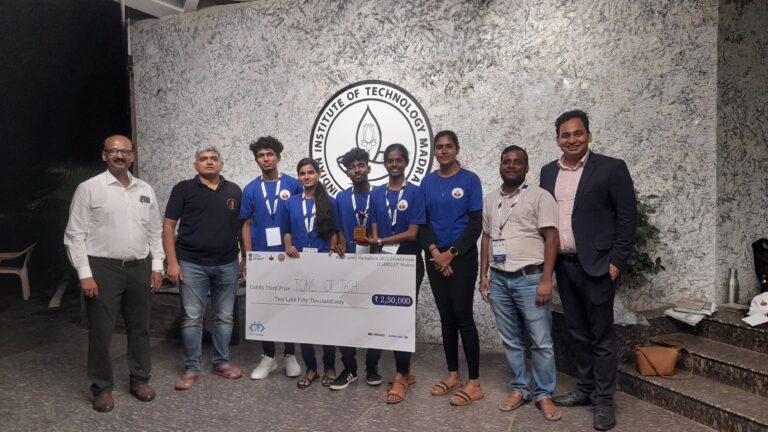
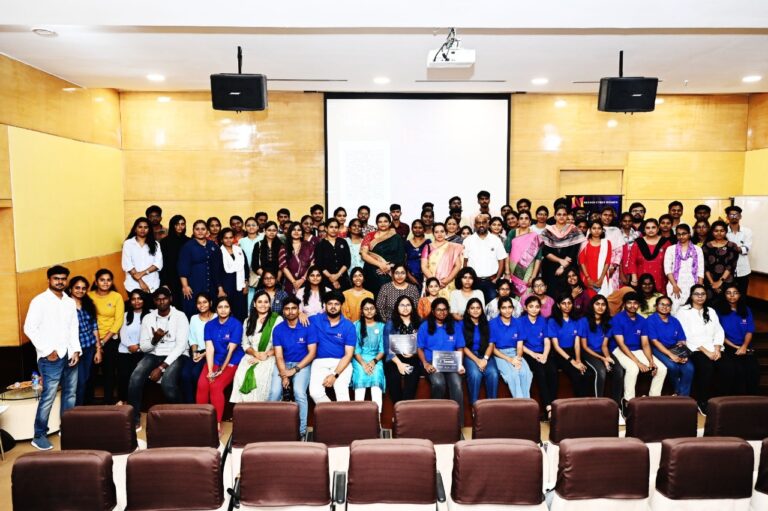
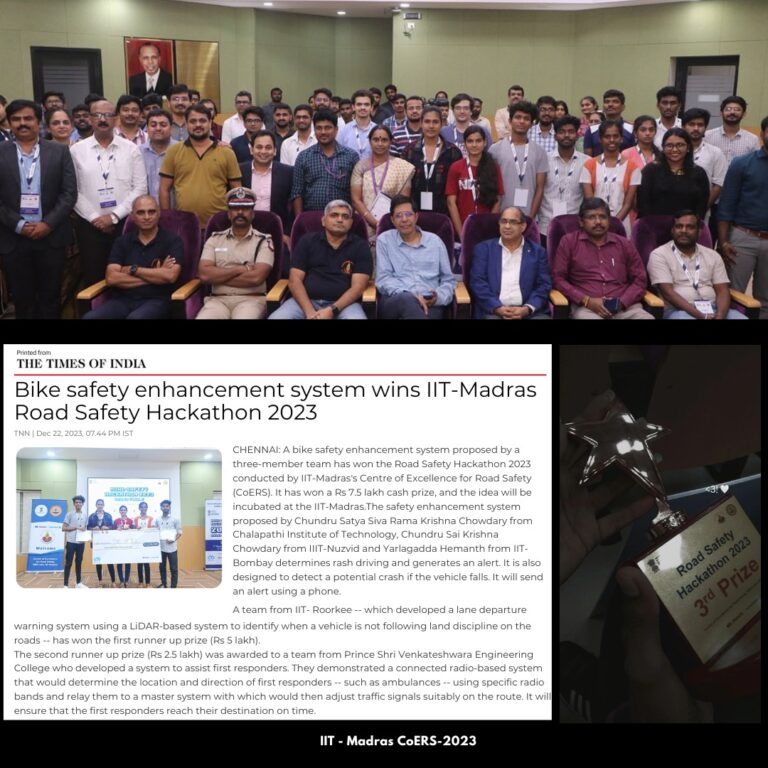
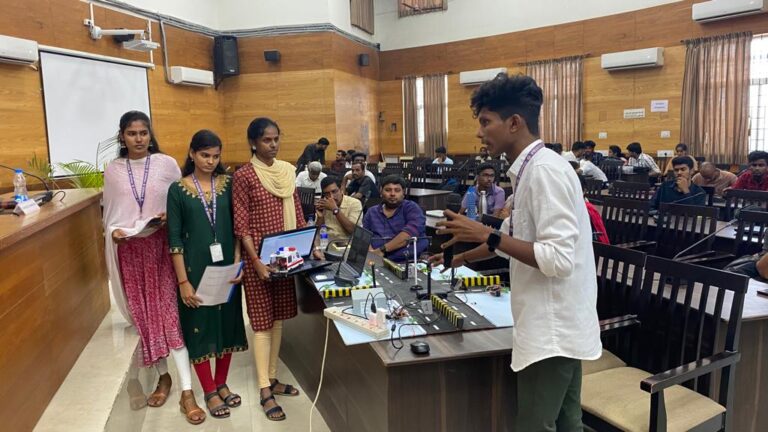
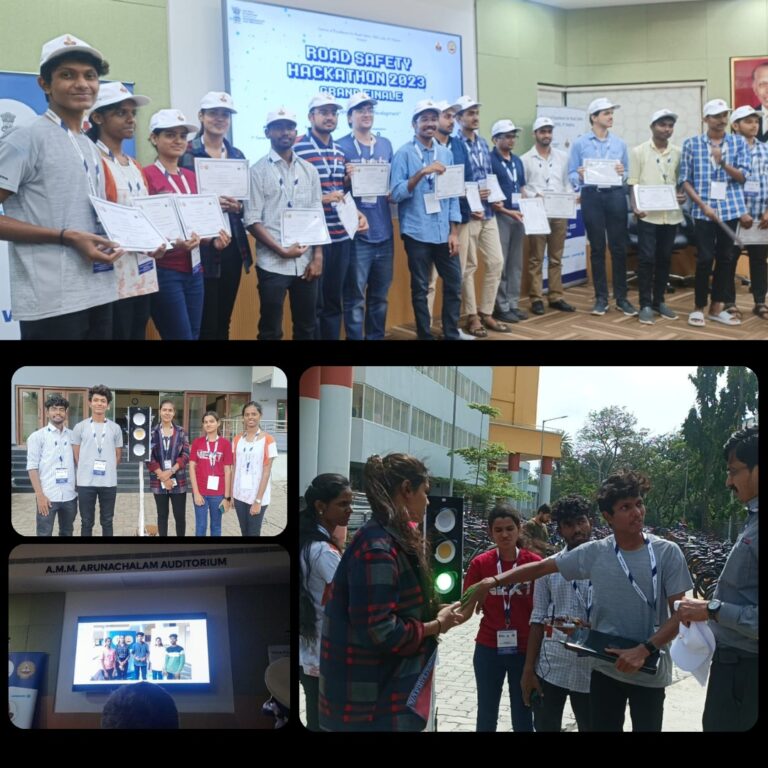
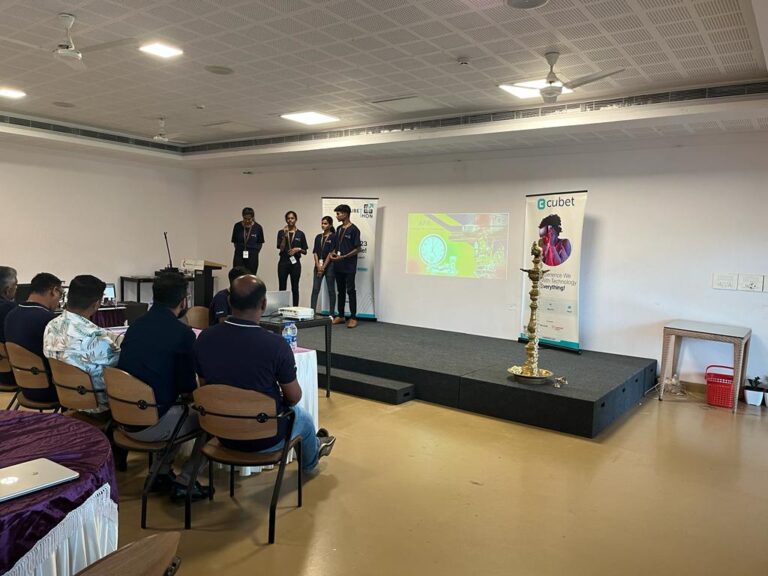
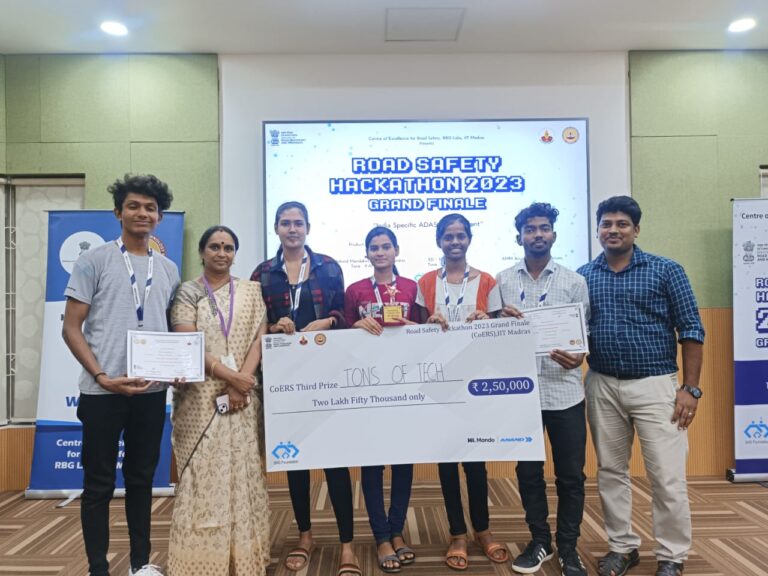
- The Department of Information Technology at Prince Group of Institutions actively encourages students to participate in and organize hackathons and technical symposiums as a platform to unleash creativity, apply knowledge, and solve real-world problems. These events bring together passionate tech enthusiasts, coders, and innovators to collaborate, compete, and learn through hands-on experience.
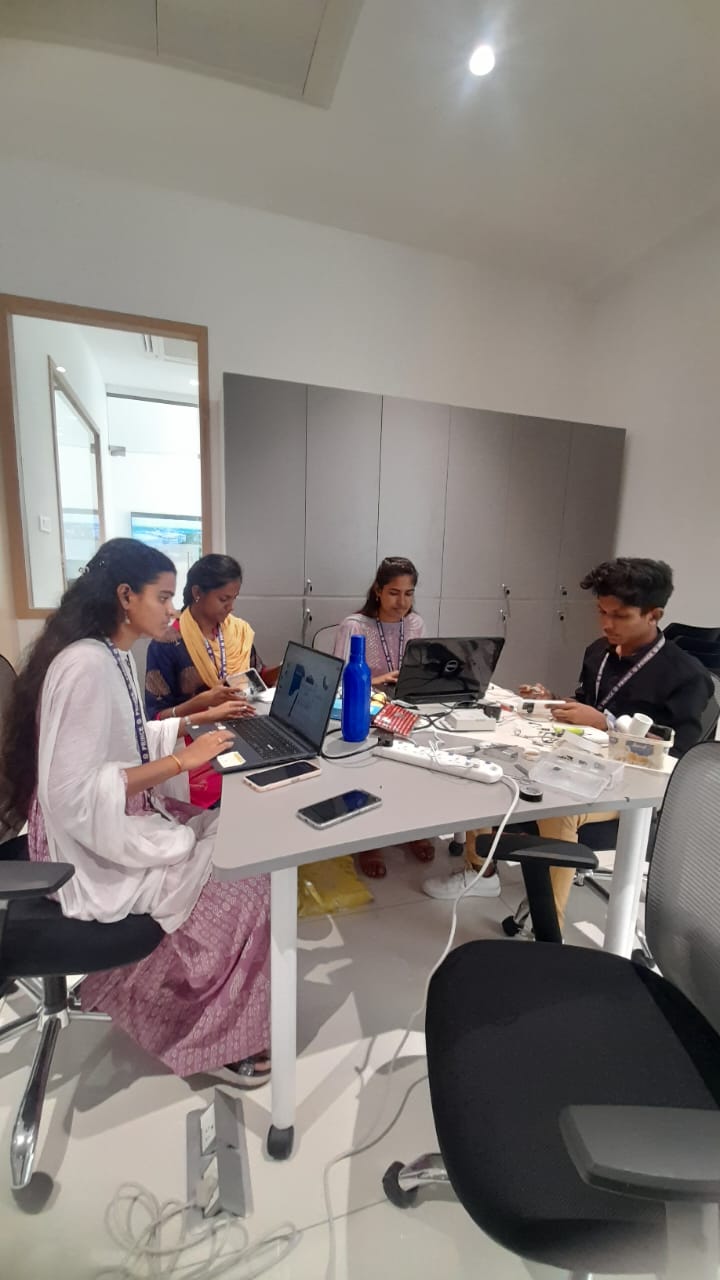
- Hackathons foster an environment of rapid problem-solving and teamwork, where students work on live challenges using cutting-edge technologies such as AI, IoT, cloud computing, and app development. Technical symposiums, on the other hand, serve as knowledge-sharing forums featuring paper presentations, project expos, coding contests, guest talks, and panel discussions. These events not only enhance students' technical and communication skills but also build confidence, leadership, and industry readiness.
- Through these dynamic platforms, the department nurtures a culture of innovation, collaboration, and continuous learning — preparing students to thrive in the ever-evolving tech landscape.
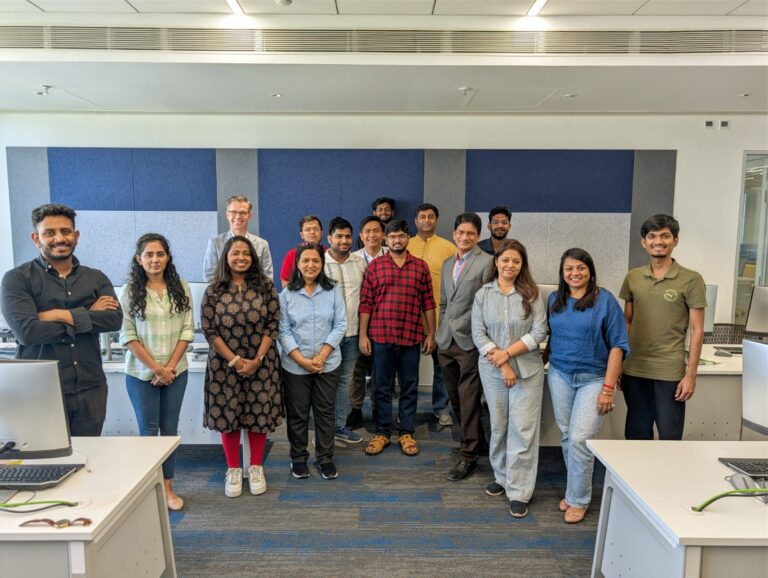
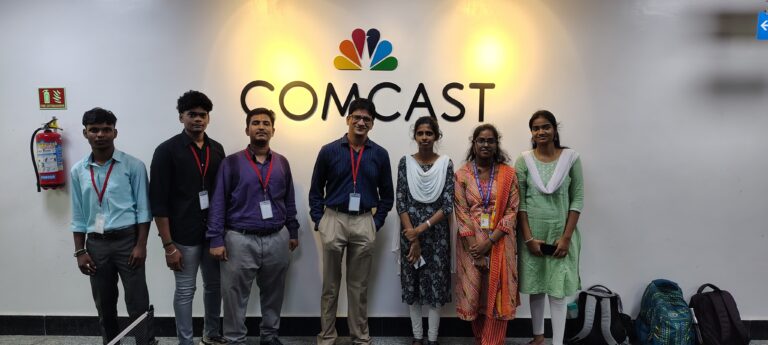
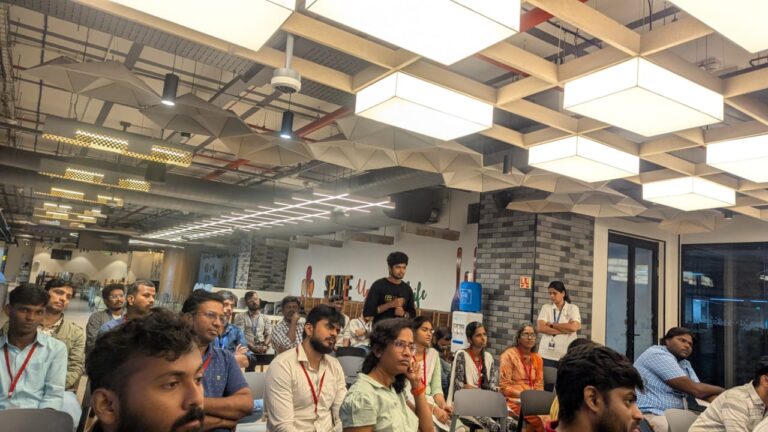
Building Strong Bridges Between Campus and Corporate
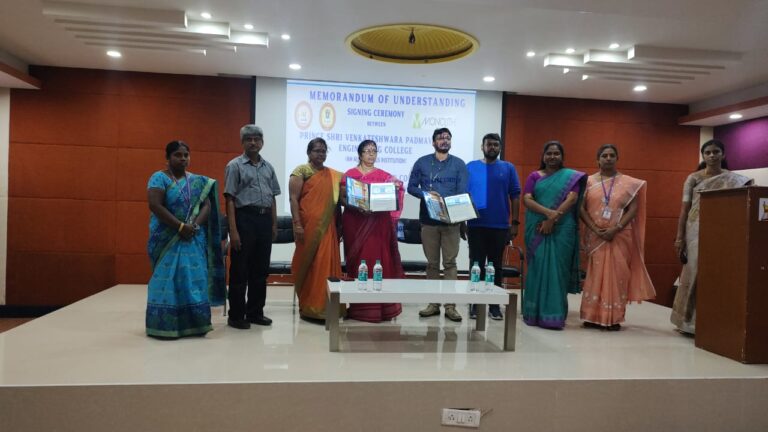
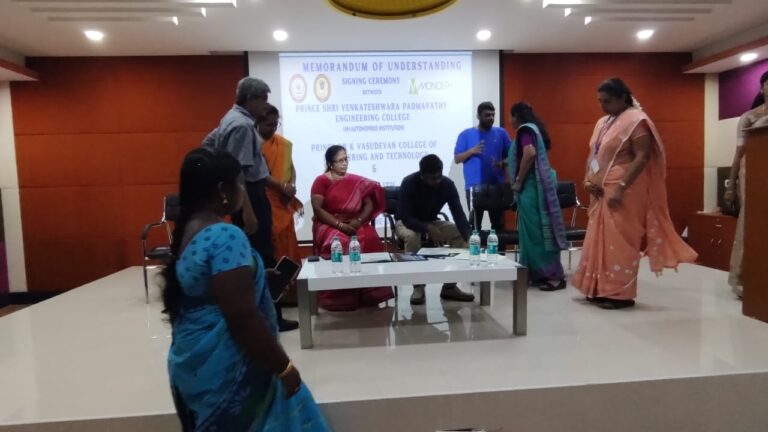
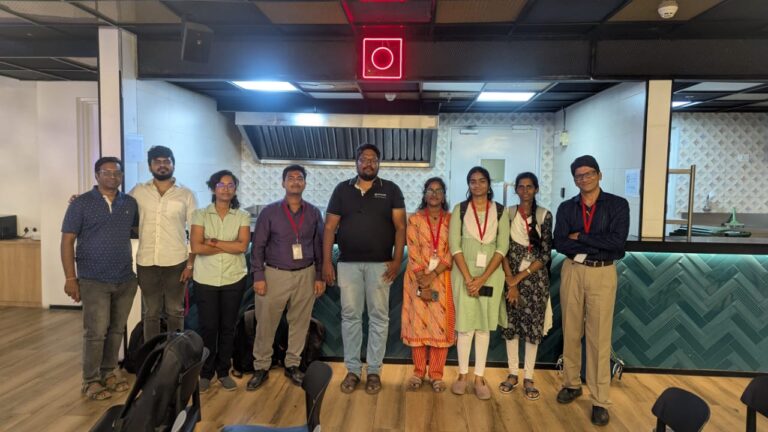
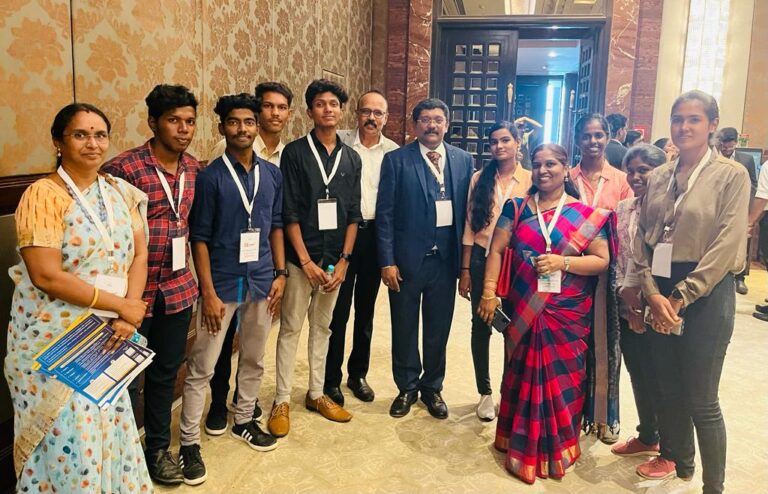
The Department of Information Technology at Prince Group of Institutions maintains a robust and proactive relationship with the industry to ensure students are aligned with current technological trends and professional expectations. Through meaningful collaborations with leading IT companies, startups, and technology experts, the department offers a wide range of industry-oriented activities including guest lectures, industrial visits, internships, live projects, MoUs, and hands-on training programs.
These initiatives provide students with real-world exposure, enhance their technical competencies, and equip them with the skills required for a seamless transition into the professional world. The department also facilitates pre-placement training, industry certifications, and regular interaction with alumni working in reputed organizations. Our strong industry connect empowers students to stay updated, innovate confidently, and become job-ready professionals who can contribute meaningfully from day one.
Lab Facilities
- Empowering Practical Learning with Cutting-Edge Infrastructure
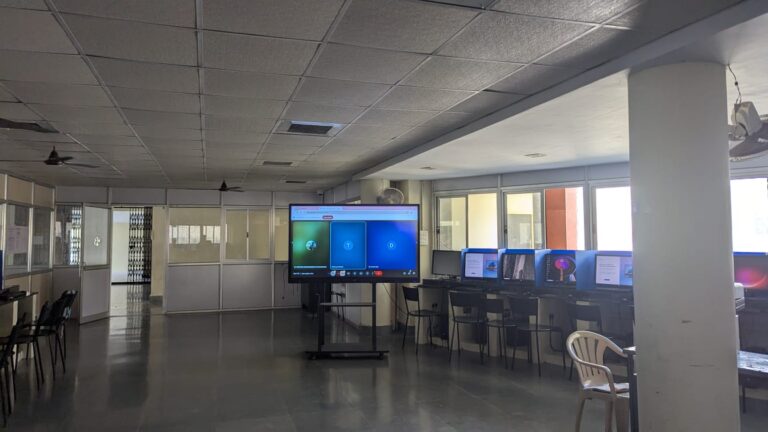
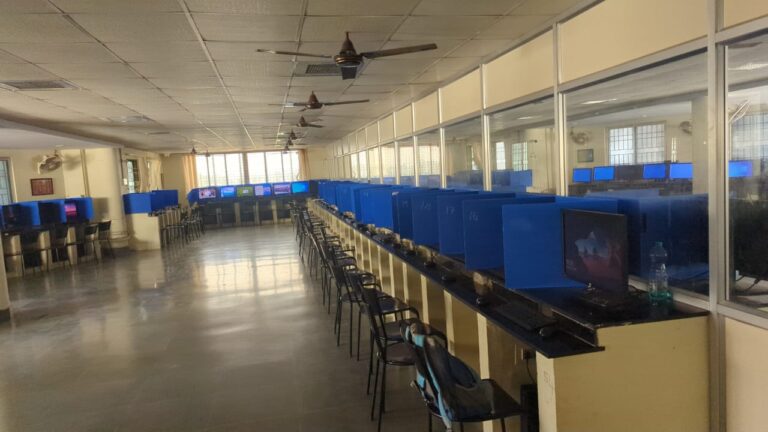
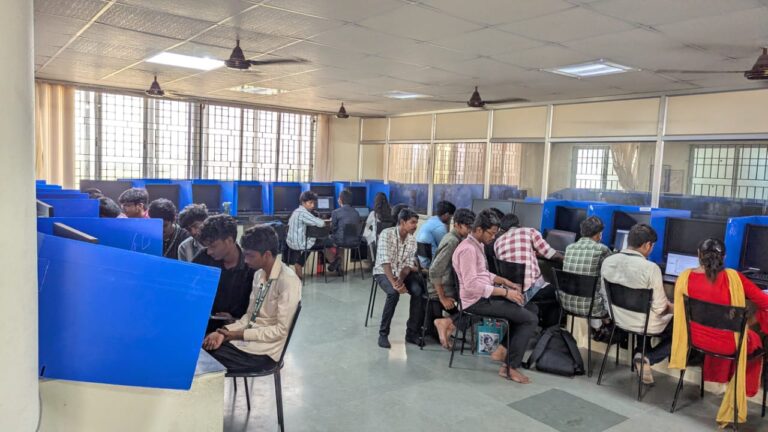
- The Department of Information Technology at Prince Group of Institutions is equipped with state-of-the-art laboratory facilities designed to bridge the gap between theory and practice. Our well-furnished labs provide students with hands-on experience in core and emerging areas such as Programming, Data Structures, Database Management Systems, Networks, Web Technologies, Cloud Computing, Cybersecurity, and Artificial Intelligence.
- Each lab is outfitted with high-performance computing systems, licensed software, high-speed internet connectivity, and modern development tools to support innovative learning and project development. The labs are maintained by skilled technical staff and are accessible to students for academic, research, and co-curricular activities.
- By creating a conducive environment for experimentation, innovation, and collaboration, our lab facilities play a vital role in nurturing technically competent and industry-ready IT professionals.
Agile Assembly
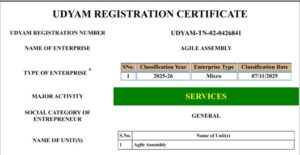 Agile Assembly is a student-led initiative rooted in agile principles—emphasizing modular, iterative development, continuous feedback, and teamwork—to build software and hardware solutions that address internal needs (like academic tools and lab management) and external societal challenges. The portal supports the entire college community by offering streamlined access to resources, collaborative platforms, performance analytics, lab scheduling, campus navigation, attendance systems, and research funding/incubation support .
Guided by mentors—such as Dr. D. Venkat (Agile Director & Founder) and other faculty coordinators—the team carries out fully end-to-end projects. Students lead idea generation, development, deployment, and iteration, honing skills in technical development, project management, and leadership. Flagship solutions include the Smart Campus Navigation System, Automated Attendance Tracker, Integrated Laboratory Management System, AI-powered tutoring modules, blockchain-based certificate systems, and virtual campus tours, reflecting both academic innovation and broader societal impact .
Udyam Registration Number of Agile Assembly is : UDYAM-TN-02-0426841