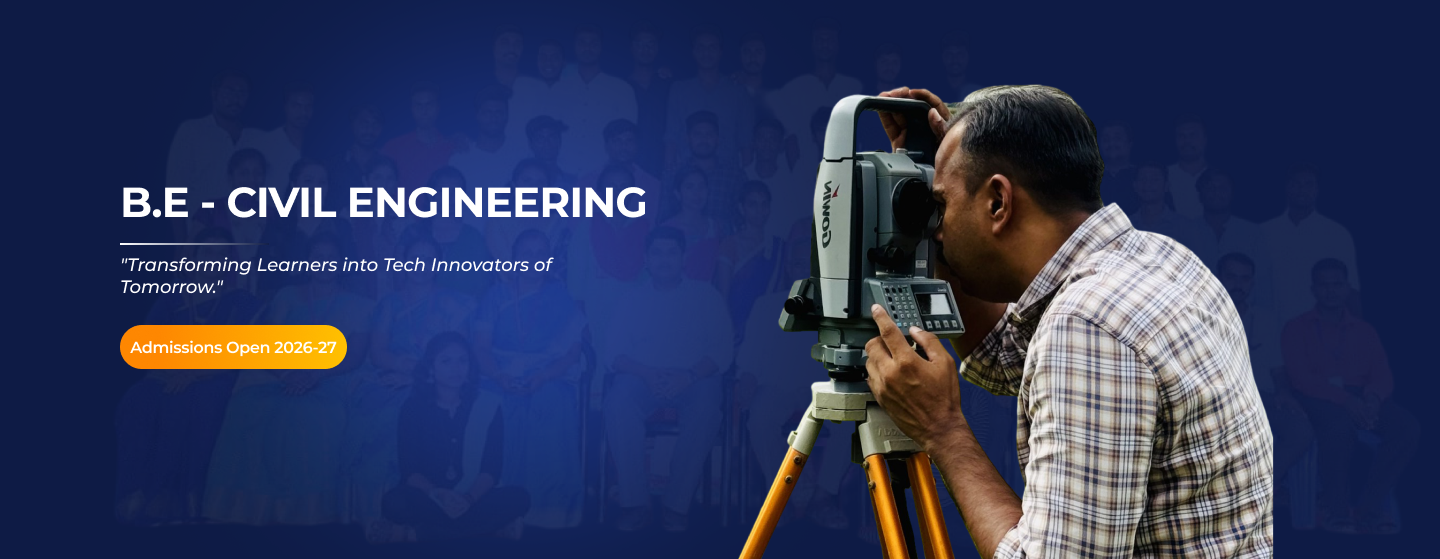
B.E - CIVIL ENGINEERING

“Transforming Learners into Tech Innovators of Tomorrow.”
-
About The Department
-
Message from the Head of the Department
-
Our Vision & Mission
-
Programme Objectives & Outcomes
-
Faculty
-
Gallery
-
Guest Lectures & Workshops
-
Industry Connect
-
Infrastructure
ABOUT THE DEPARTMENT
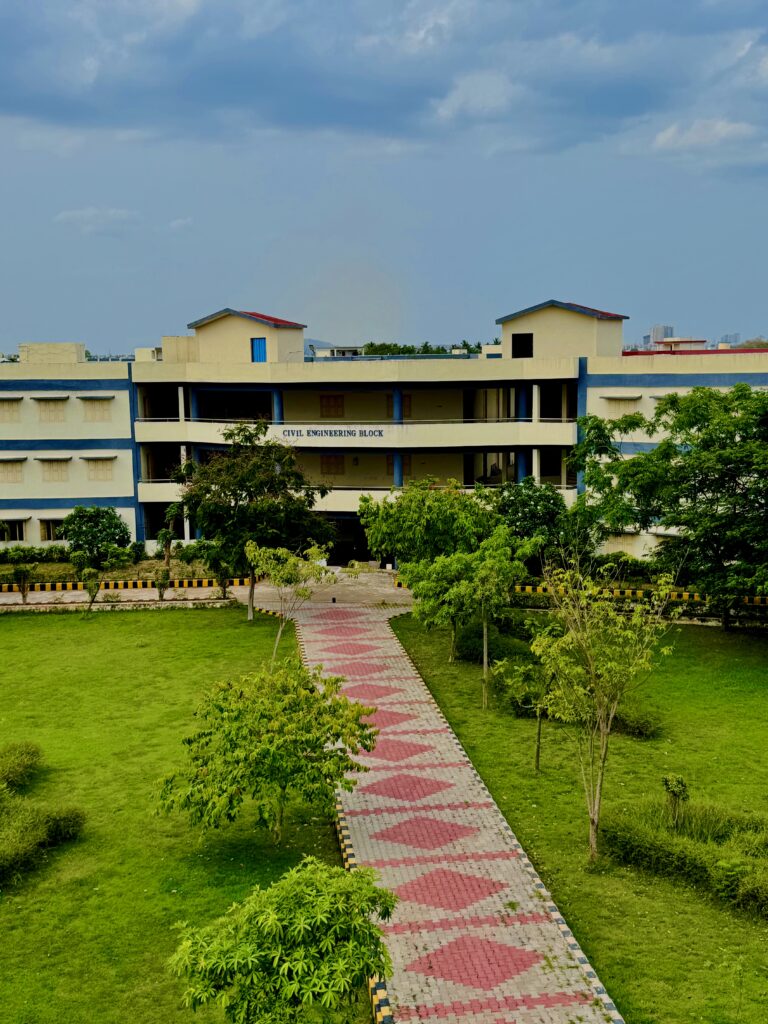
The Department of Civil Engineering at Prince Shri Venkateshwara Padmavathy Engineering College is committed to shaping technically proficient, socially responsible, and environmentally conscious civil engineers. With a robust curriculum that balances theoretical knowledge and practical application, the department empowers students to design, construct, and maintain sustainable infrastructure systems that serve society.
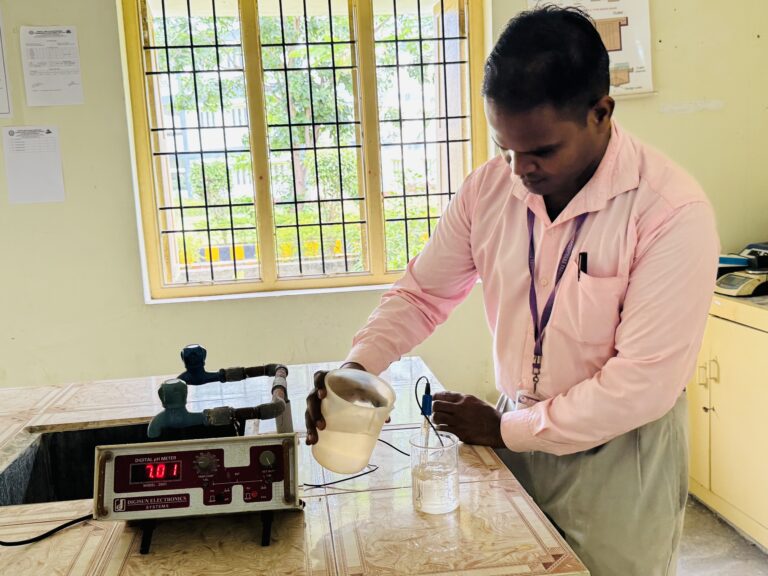
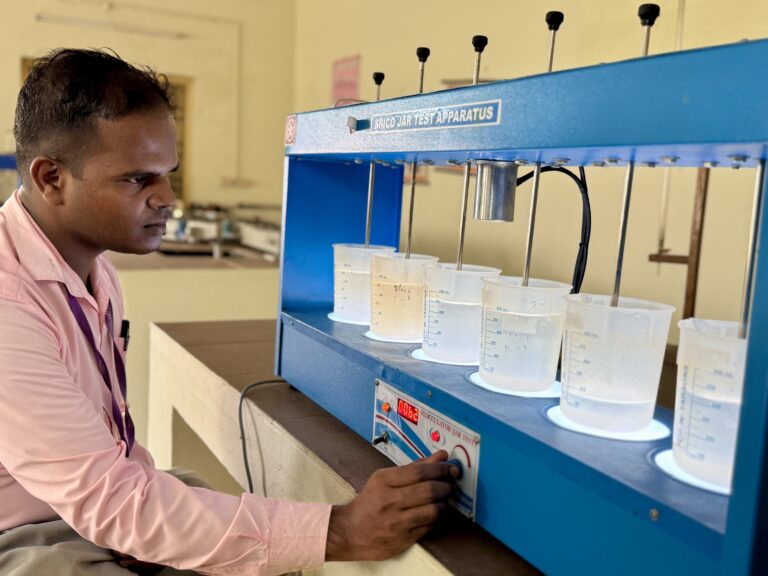
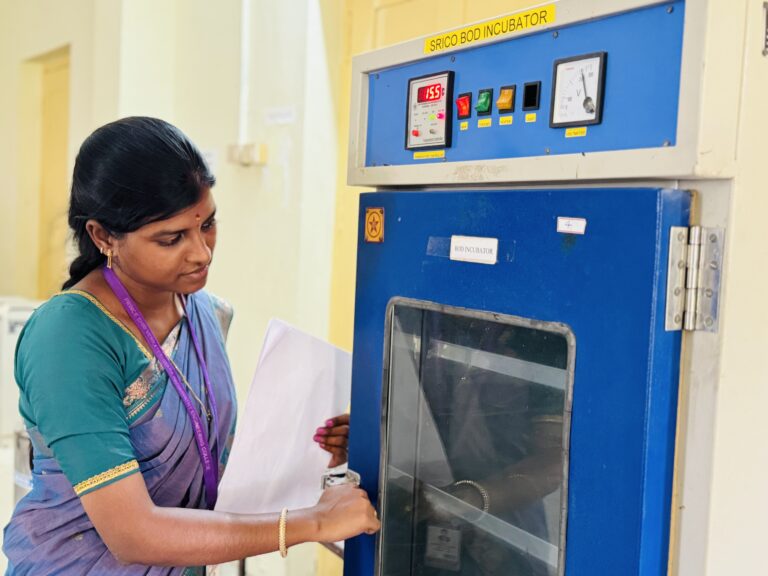
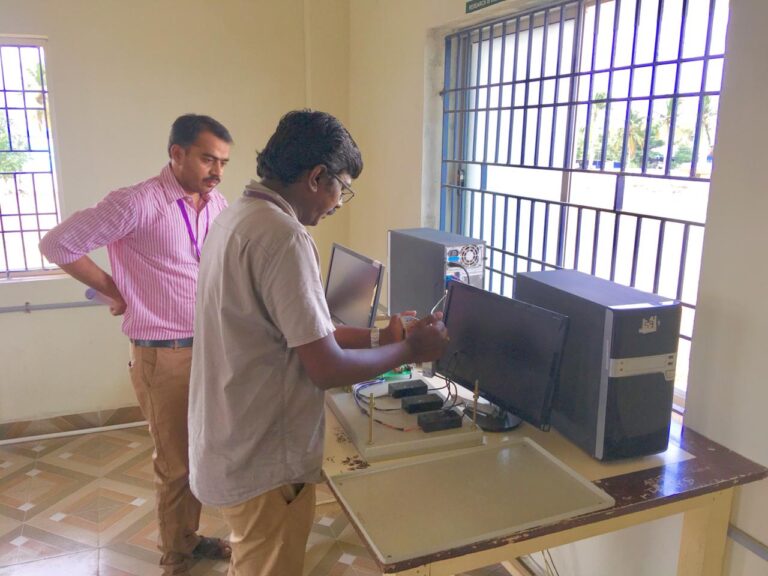
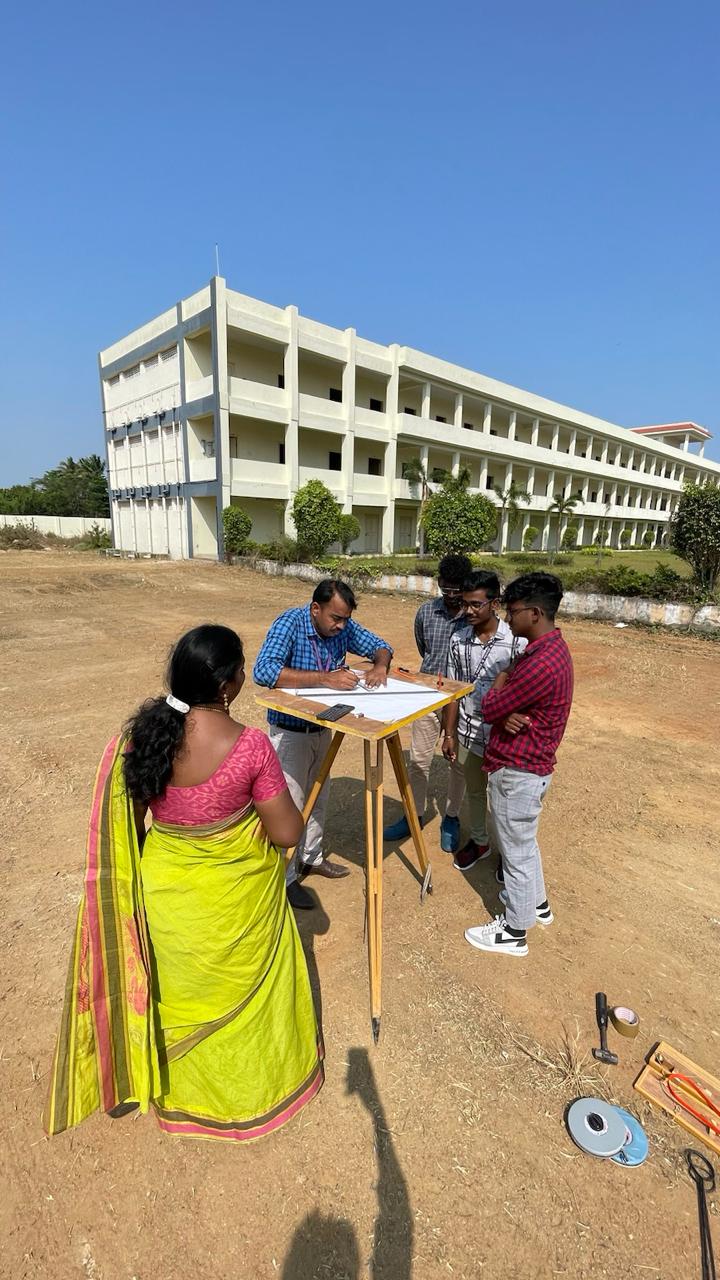
Our department boasts a team of experienced and dedicated faculty members who guide students through diverse domains such as Structural Engineering, Geotechnical Engineering, Environmental Engineering, Transportation Engineering, and Water Resources Engineering. Well-equipped laboratories, modern surveying tools, and industry-standard software platforms provide hands-on learning experiences that bridge the gap between classroom learning and real-world challenges.
The department actively promotes research, innovation, and consultancy services through academic-industry collaborations, technical workshops, site visits, and value-added certification programs. Students are encouraged to take part in professional bodies, internships, and national-level competitions to broaden their horizons and stay updated with emerging trends in civil engineering.
Driven by a vision to build future-ready engineers, the Civil Engineering Department stands as a pillar of excellence in creating infrastructure leaders for tomorrow.
Message from the Head of the Department –
civil engineering
Greetings!
It gives me immense pleasure to welcome you to the Department of Civil Engineering at Prince Shri Venkateshwara Padmavathy Engineering College. Our department is driven by a strong commitment to academic excellence, practical learning, and societal impact.
Civil Engineering is one of the oldest and most fundamental branches of engineering, playing a vital role in shaping the world around us. At our department, we strive to nurture creative minds, critical thinkers, and responsible professionals who can address the infrastructural needs of a rapidly evolving world.
We focus not only on strong foundational knowledge but also on innovation, sustainability, and modern construction technologies. Our faculty members bring in-depth academic and industry experience, and we continuously engage students through live projects, technical events, industrial visits, and internship opportunities.
We believe in holistic development — empowering our students with technical competence, ethical values, and leadership skills to become successful civil engineers and nation builders.
I invite you to explore the opportunities offered by our department and be a part of our journey toward building a better tomorrow.
Warm regards,
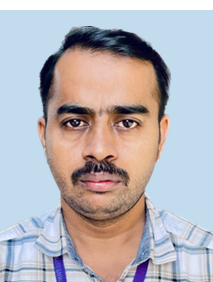
Mr. N. Rajivgandhi M.E.,
Head of the Department
Department of Civil Engineering
Prince Shri Venkateshwara Padmavathy Engineering College
Our Vision & Mission


VISION
To develop competent Civil Engineers with excellent professionalism and focus on research to meet global challenges and demand.

MISSION
- To impart quality and real-time education to contribute to the field of Civil Engineering.
- To impart soft skills, leadership qualities, and professional ethics among young graduates.
- To develop graduates to compete at the global level.
- To deal with contemporary issues and to cater to societal needs
PROGRAMME OUTCOMES (POs)
-
Engineering knowledge: Apply the knowledge of mathematics, science, engineering fundamentals, and an engineering specialization to the solution of complex engineering problems.
-
Problem analysis: Identify, formulate, review research literature, and analyze complex engineering problems reaching substantiated conclusions using first principles of mathematics, natural sciences, and engineering sciences.
-
Design/development o solutions: Design solutions for complex engineering problems and design system components or processes that meet the specified needs with appropriate consideration for the public health and safety, and the cultural, societal, and environmental considerations.
-
Conduct investigations of complex problems: Use research-based knowledge and research methods including design of experiments, analysis and interpretation of data, and synthesis of the information to provide valid conclusions.
-
Modern tool usage: Create, select, and apply appropriate techniques, resources, and modern engineering and IT tools including prediction and modeling to complex engineering activities with an understanding of the limitations.
-
The engineer and society: Apply reasoning informed by the contextual knowledge to assess societal, health, safety, legal and cultural issues and the consequent responsibilities relevant to the professional engineering practice.
-
Environment and sustainability: Understand the impact of the professional Engineering solutions in societal and environmental contexts, and demonstrate the Knowledge of, and need for sustainable development.
-
Apply ethical principles and commit to professional ethics and responsibilities and norms of the engineering practice.
-
lndividual and team work: Function effectively as an individual, and as a member or leader in diverse teams, and in multidisciplinary settings.
-
Communication: Communicate effectively on complex engineering activities with the engineering community and with society at large, such as, being able to comprehend and write effective reports and design documentation, make effective presentations, and give and receive clear instructions.
-
Project management and finance: Demonstrate knowledge and understanding of the engineering and management principles and apply these to one's own work, as a member and leader in a team, to manage projects and in multidisciplinary environments.
-
Life-long learning: Recognize the need for, and have the preparation and ability to engage in independent and life-long learning in the broadest context of technological change.
PROGRAMME EDUCATIONAL OBJECTIVES (PEOs)
Graduates of the B.E. Civil Engineering programme will be able to:
- Establish themselves as competent professionals by applying fundamental knowledge and technical skills in civil engineering across public, private, and entrepreneurial sectors, effectively addressing infrastructural and societal needs.
- Demonstrate innovation and research aptitude by investigating intricate civil engineering challenges utilizing contemporary tools and technologies, and proposing sustainable, economically viable, and socially responsible solutions.
- Contribute as effective team members and leaders in multidisciplinary environments, promoting ethical values, continuous learning, and engagement with industry to advance civil engineering practices and public policies.
Program Specific Outcomes (PSOs)
On successful completion of the B.E. Civil Engineering programme, the graduates will be able to:
- Apply comprehensive and specialized knowledge of Civil Engineering to analyze, assess, and synthesize solutions to practical challenges, incorporating technical, environmental, and socio-economic considerations.
- Develop and implement innovative, sustainable, and safe engineering solutions through critical thinking and independent judgment, addressing infrastructural and policy-level challenges in accordance with industry and societal requirements.
Programme Objectives and Outcomes
- Develop proficiency in programming, data structures, algorithms, and system design.
- Foster analytical thinking and problem-solving skills through real-world applications.
- Provide hands-on experience with emerging technologies like AI, Cloud Computing, and IoT.
- Encourage research, innovation, and entrepreneurship in the field of computing.
- Prepare students for successful careers in software development, cybersecurity, data science, and IT consulting.
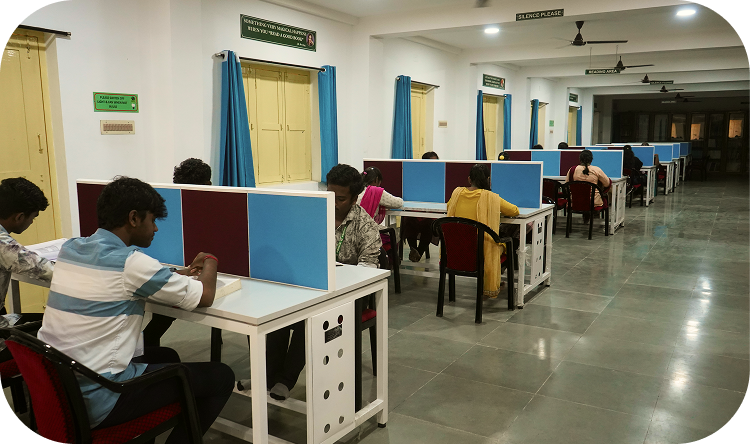
OBJECTIVES
The objective of the B.E. Computer Science and Engineering program at Prince College is to equip students with a strong foundation in computing principles, problem-solving abilities, and technical skills required to excel in the ever-evolving IT industry, enabling them to innovate, adapt to emerging technologies, and contribute effectively to the advancement of the digital world. The program also emphasizes practical learning, industry collaboration, and research opportunities to prepare students for successful.
Department of civil Engineering
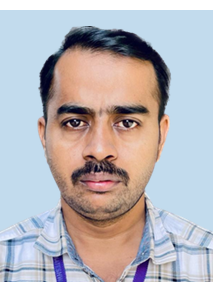
Mr. N. Rajivgandhi M.E.,
Assistant Professor
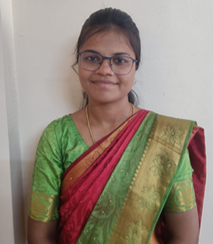
Dr.D.Erosemiah M.E.,Ph.D.
Assistant Professor
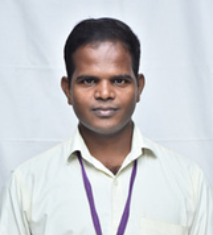
Santhosh kumar M.E.,
Assistant Professor
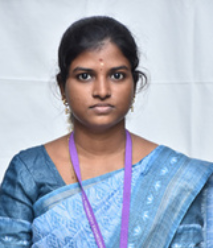
Divya M.E.,
Assistant Professor
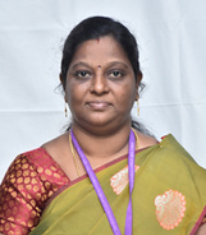
Ms. G. Devi, D.C.E.,
Skilled Assistant
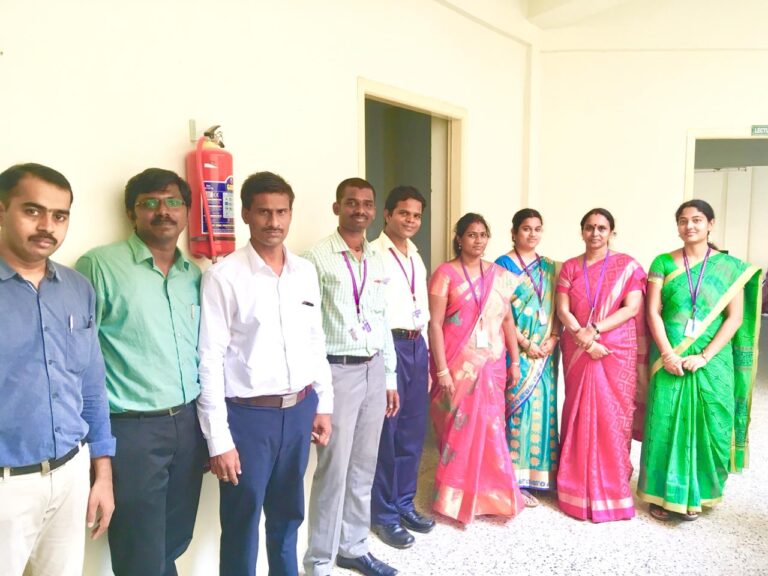
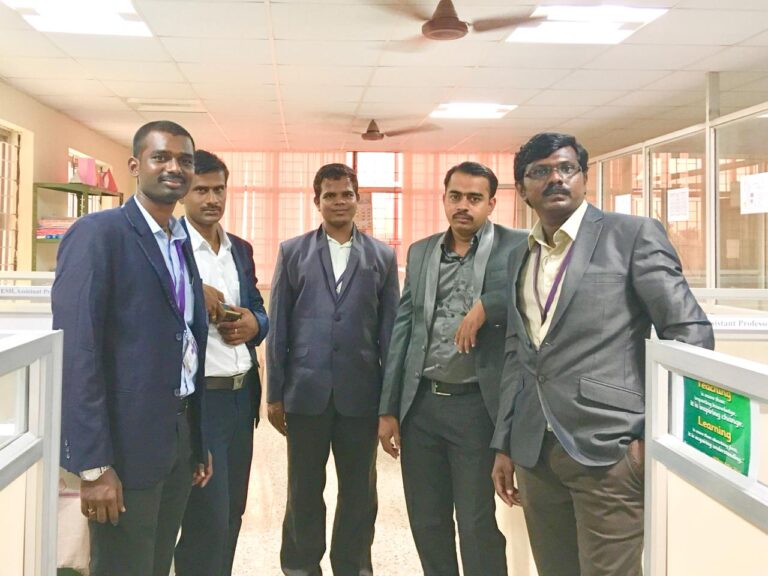
Gallery
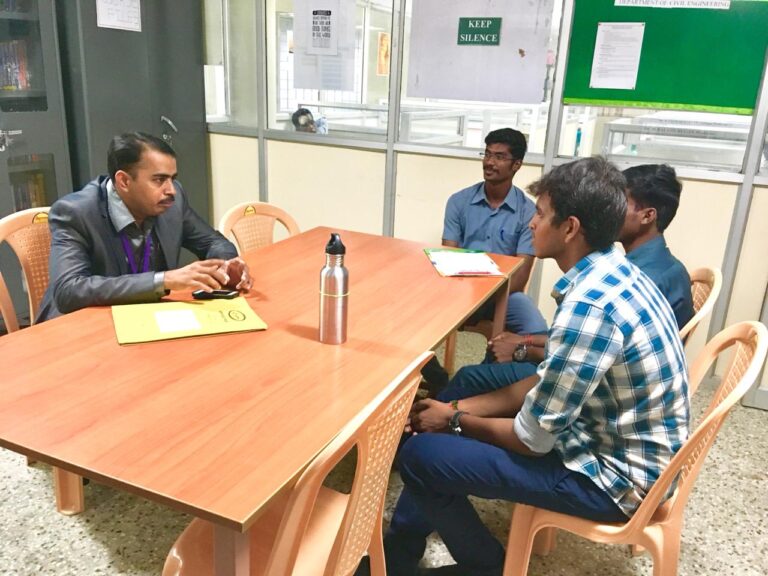
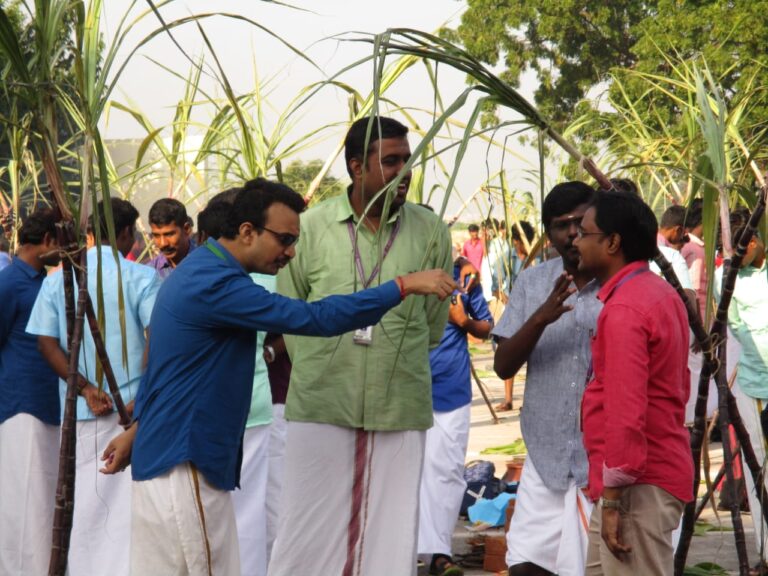
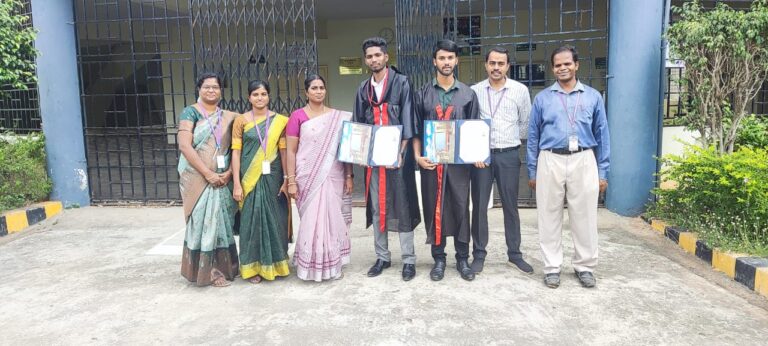
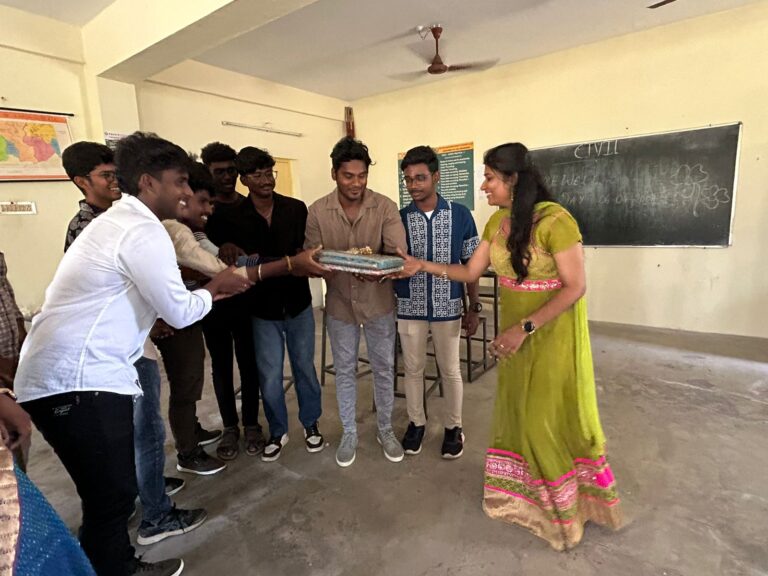
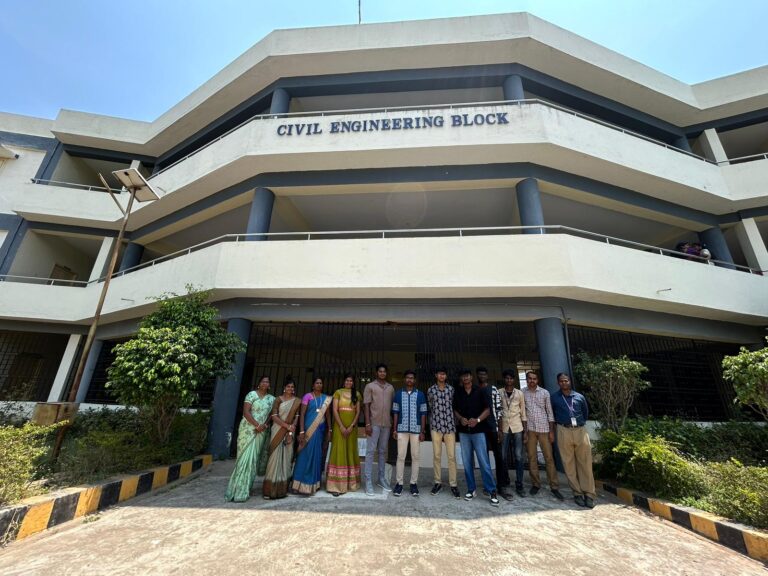
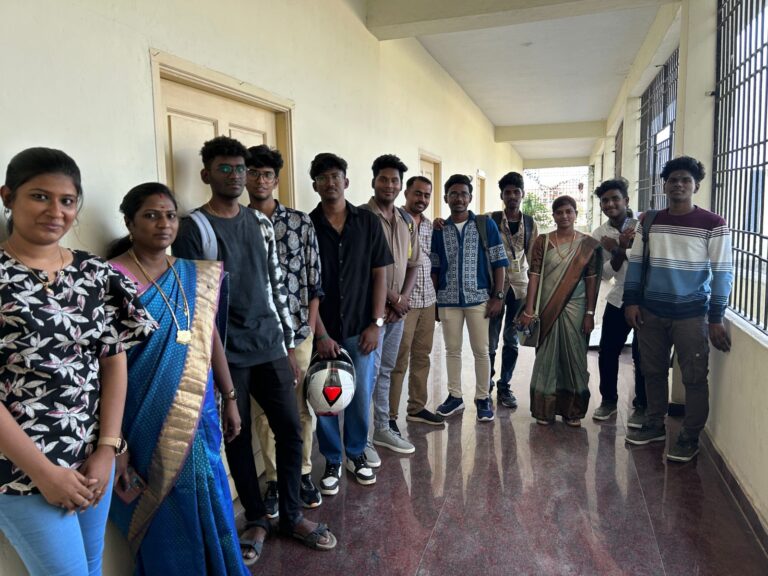
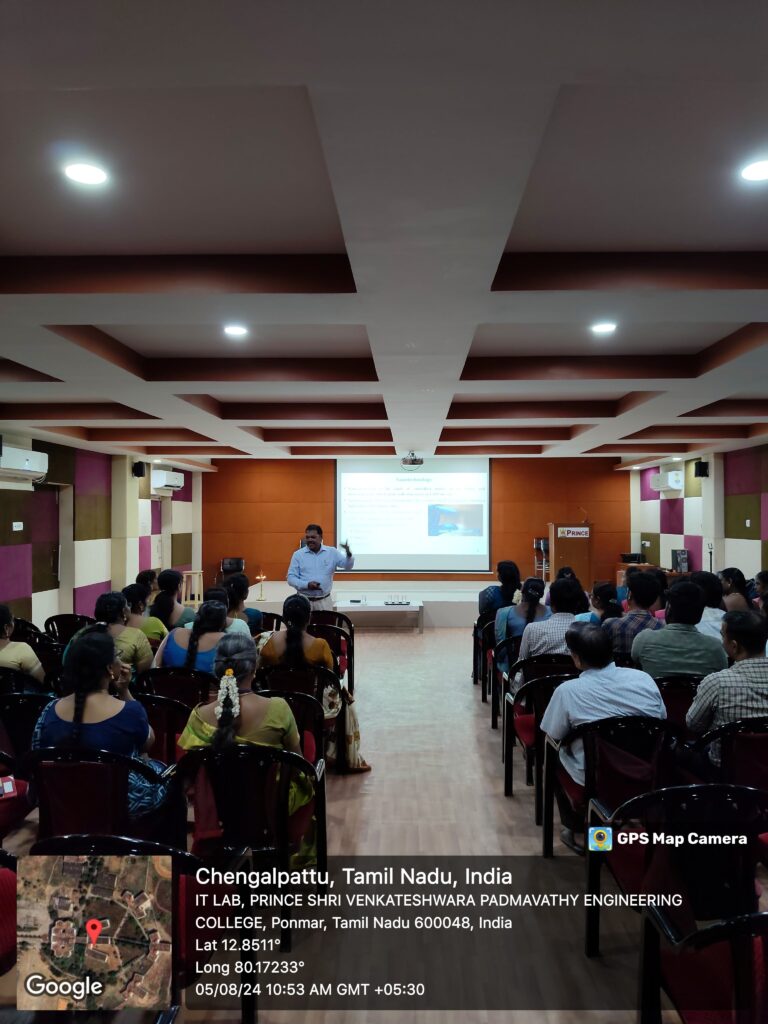
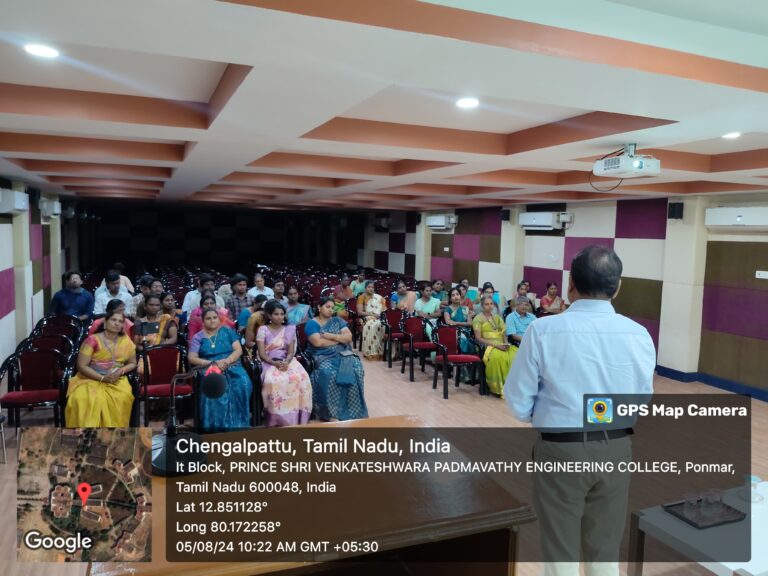
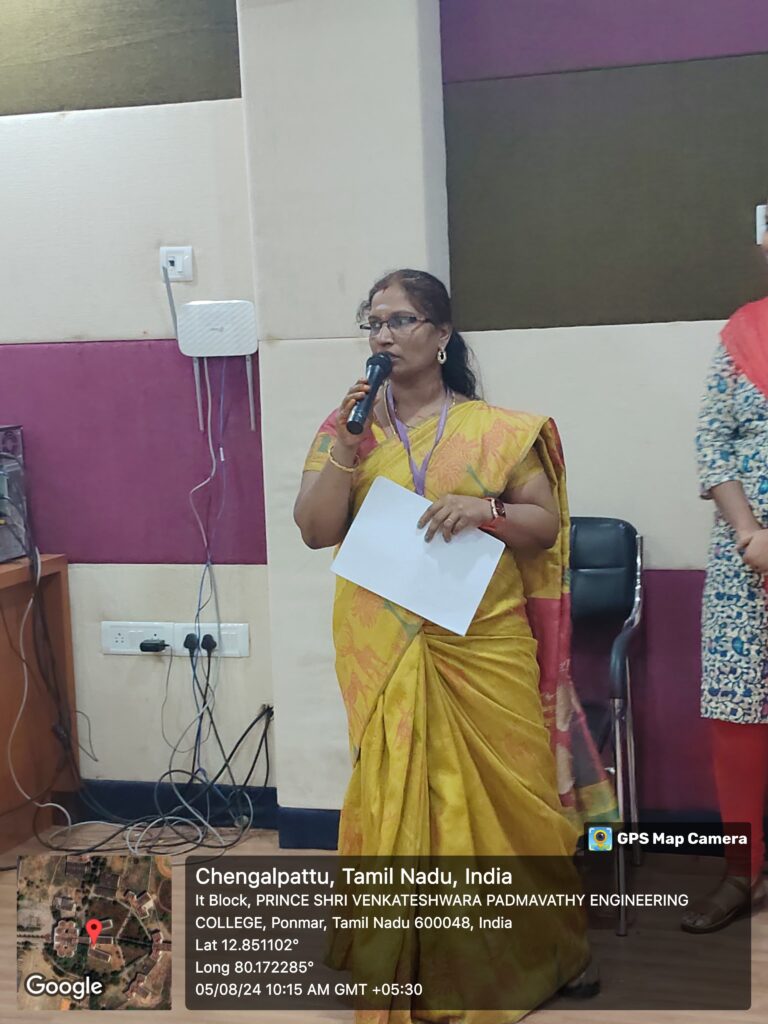
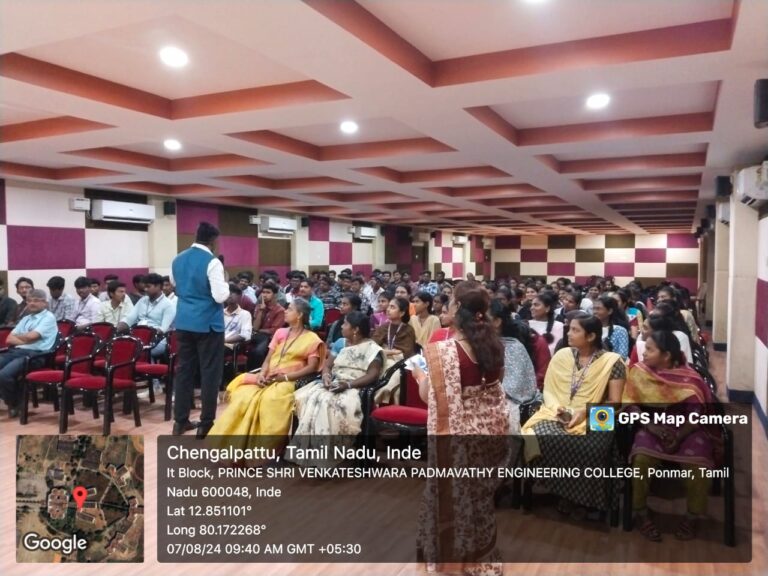
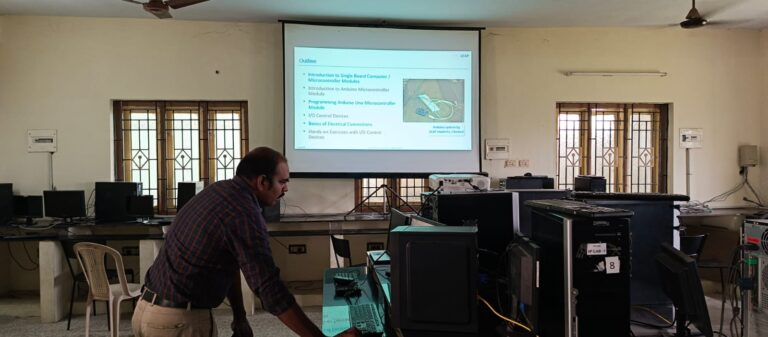
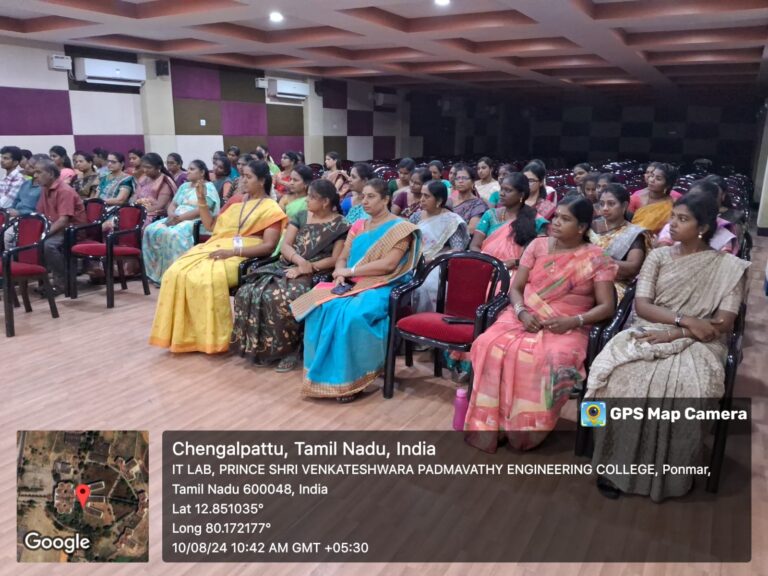
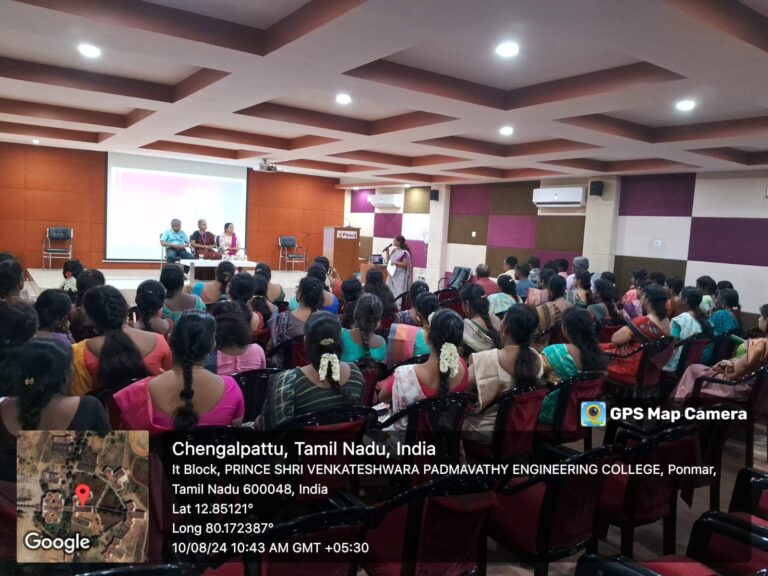
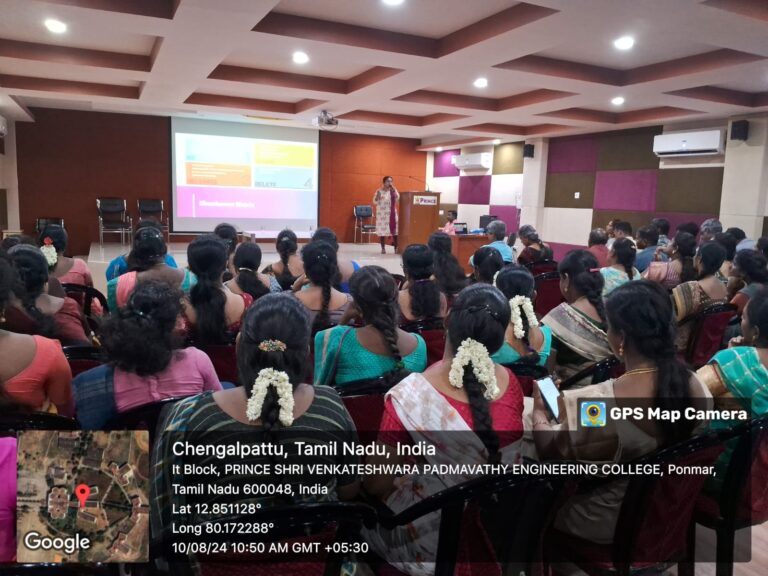
Guest Lectures & Workshops
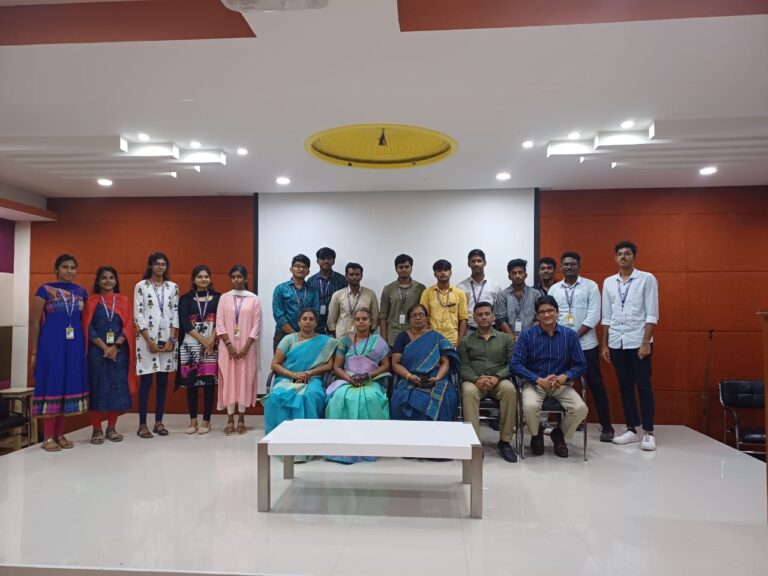
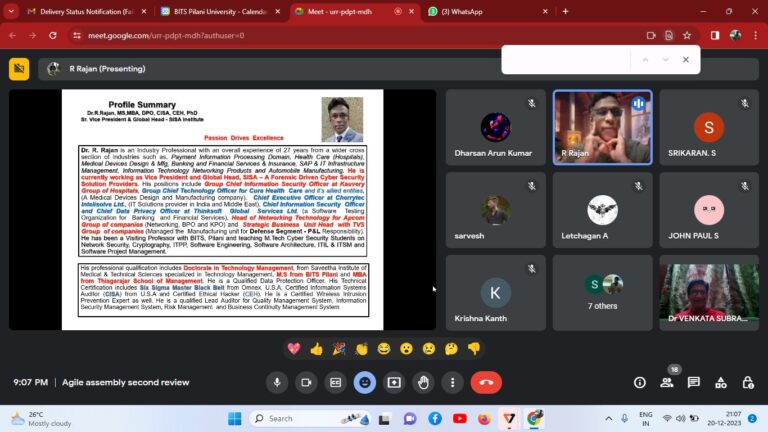
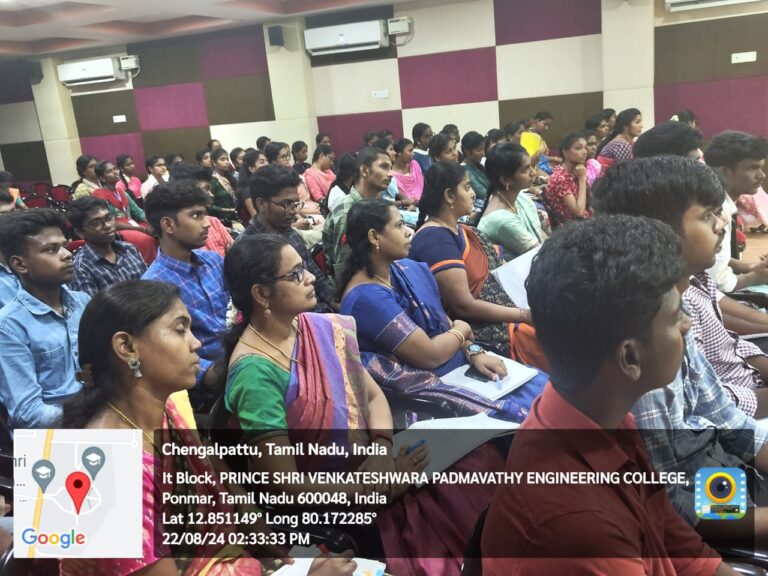
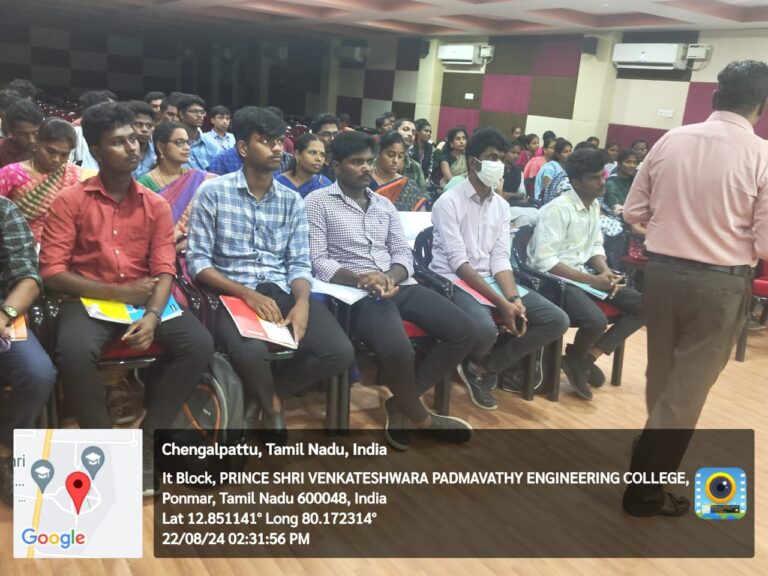
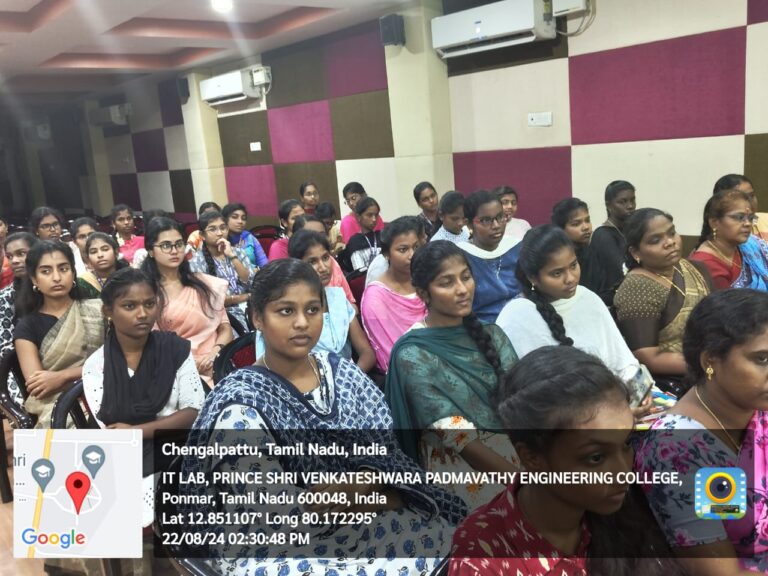
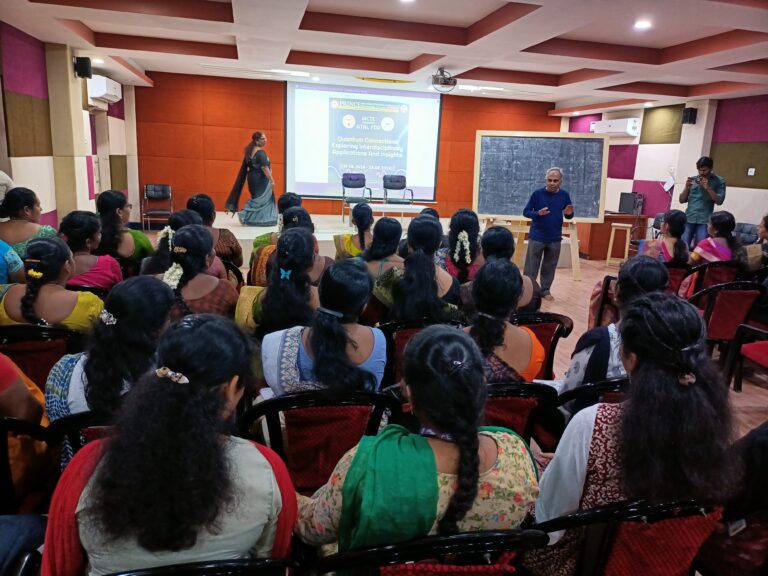
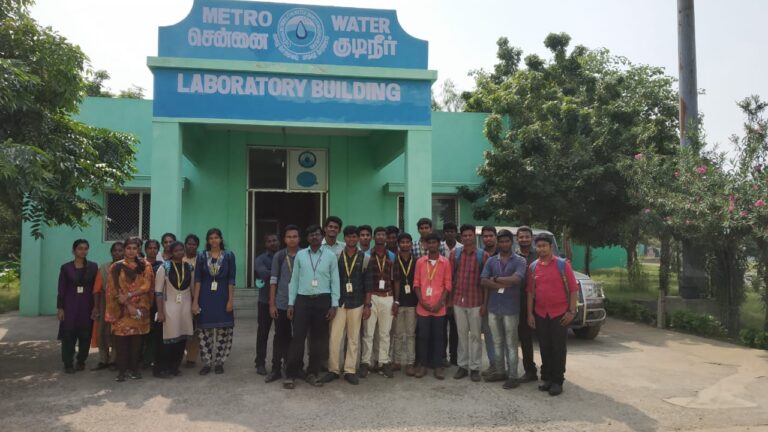
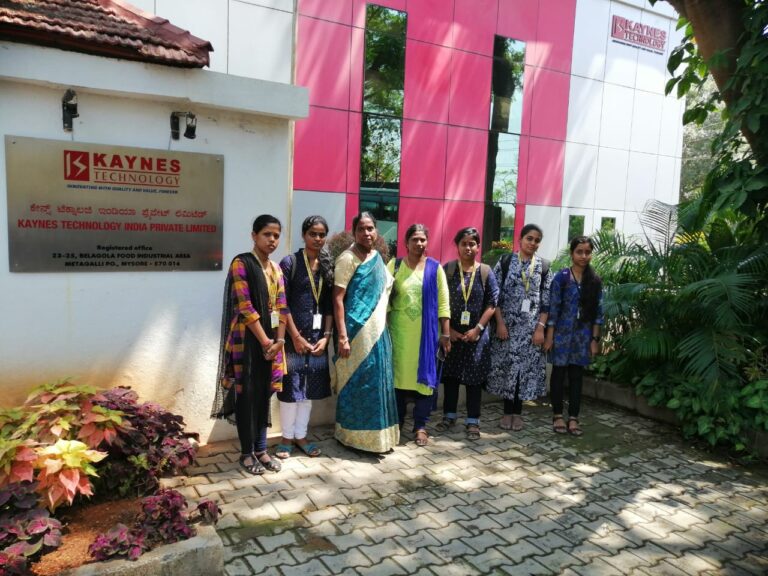
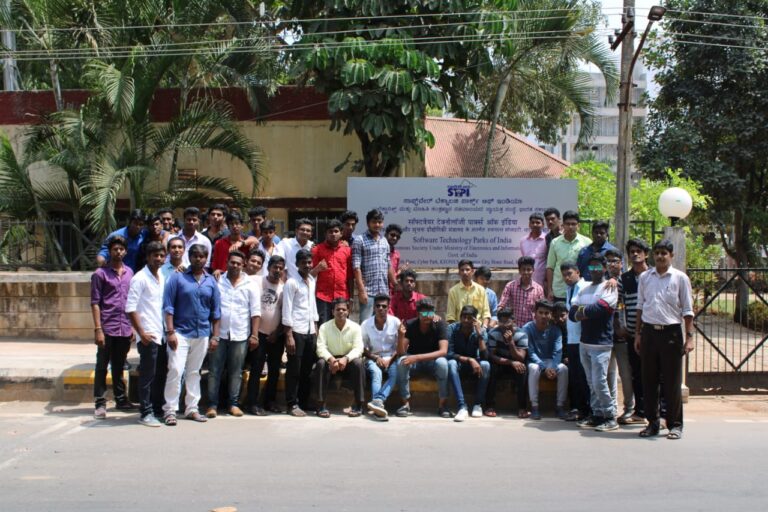
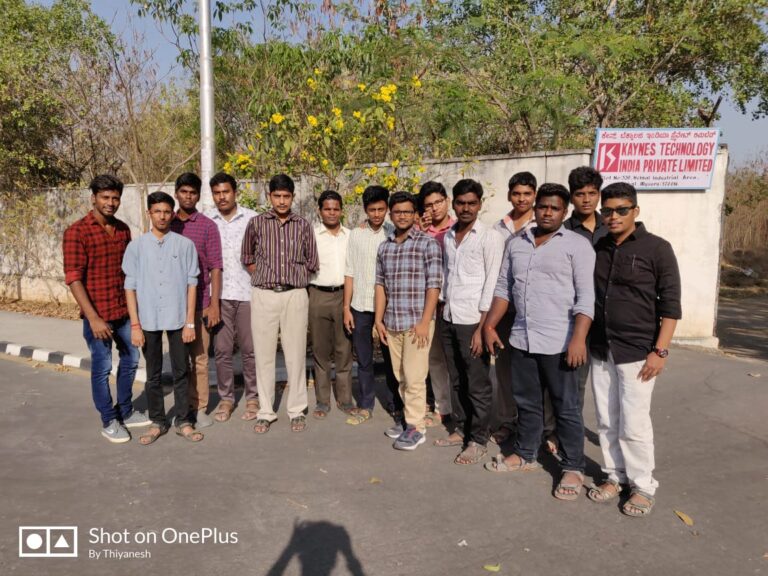
Industry Connect
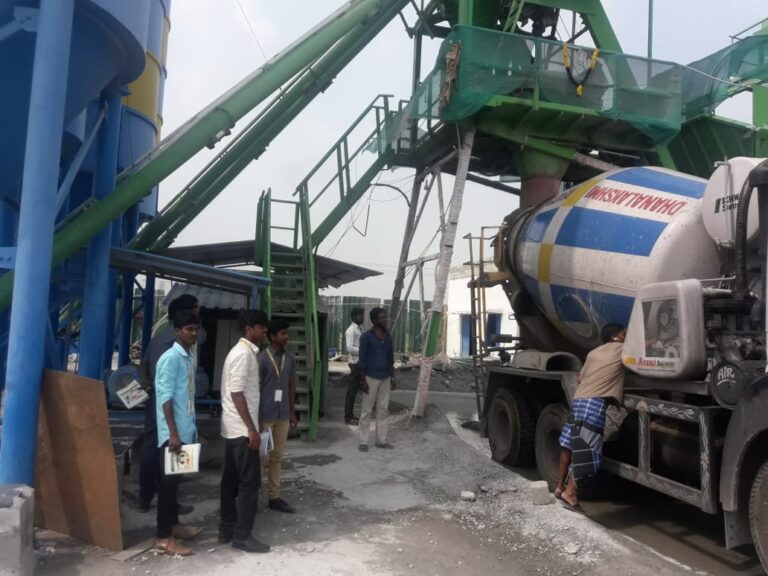
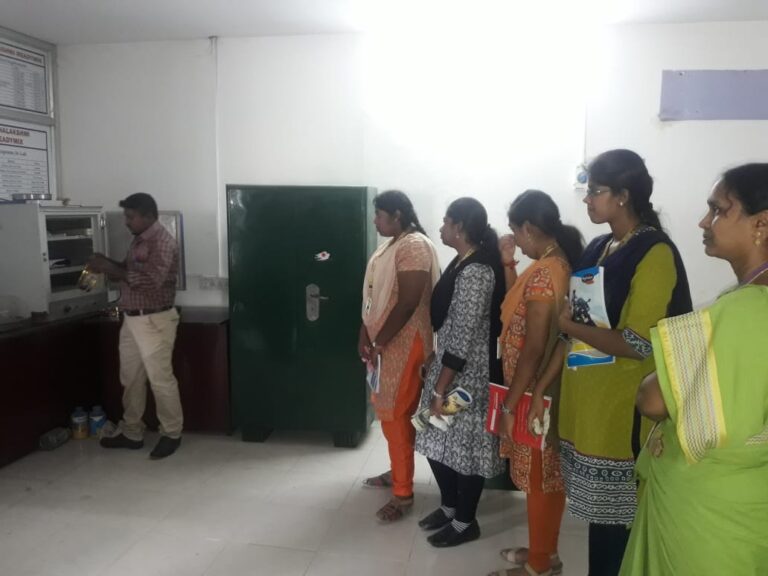
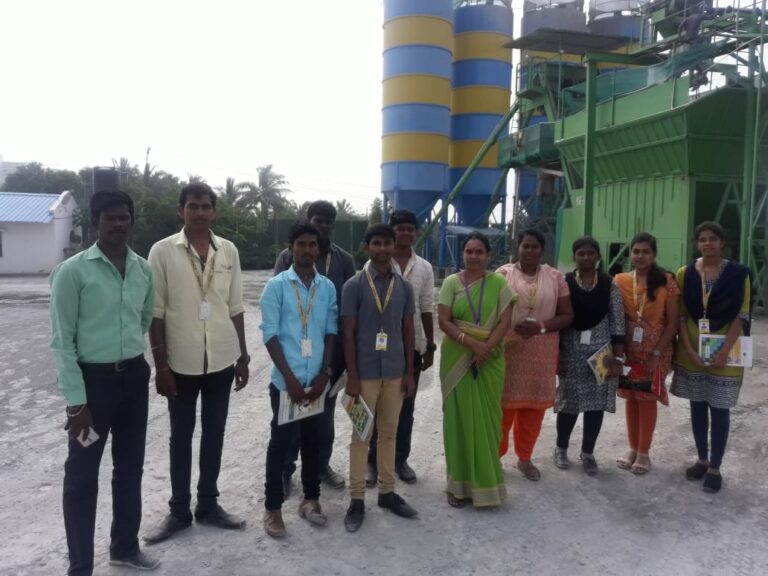
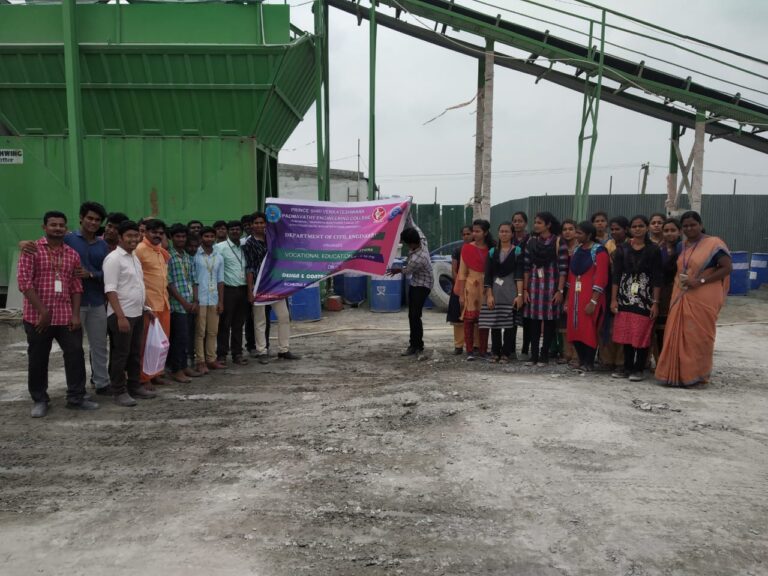
Infrastructure