B.E - Mechanical Engineering

“Building Tech Innovators Through Knowledge, Innovation & Industry Experience.”

-
About The Department
-
Our Vision & Mission
-
Program Outcomes
-
Message from the Head of the Department
-
Faculty
-
Self Learning
-
Gallery
-
Infrastructure
ABOUT THE DEPARTMENT
Our department is a young and dynamic hub of learning, driven by enthusiastic students and a vibrant team of faculty members. The staff brings together diverse technological expertise, holding various skill certifications, and employs innovative teaching pedagogies to enhance student knowledge.
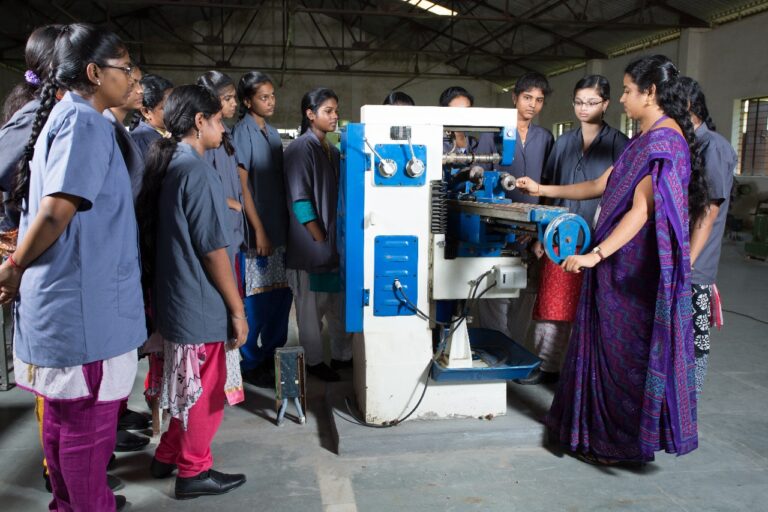
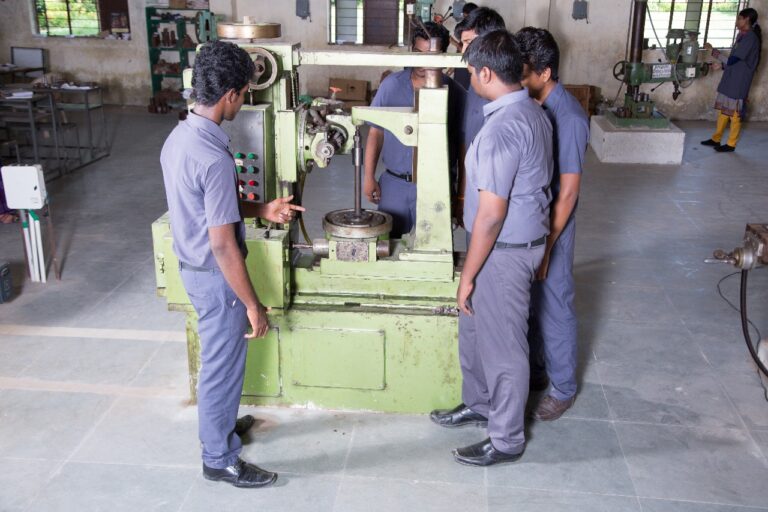
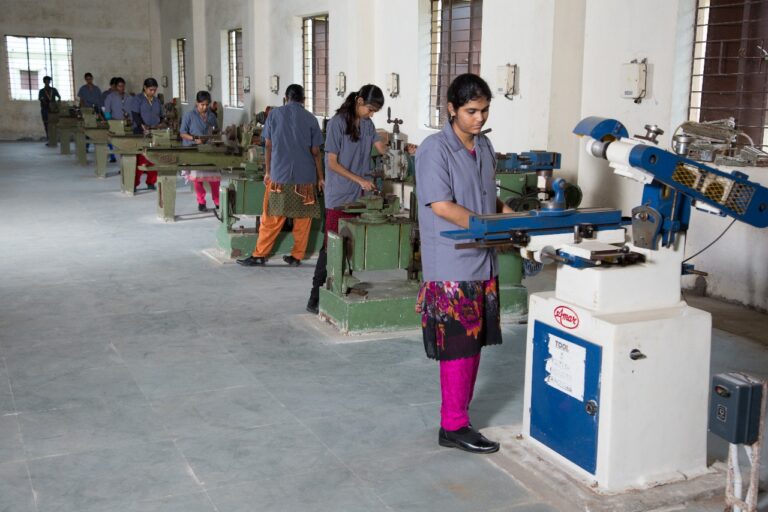
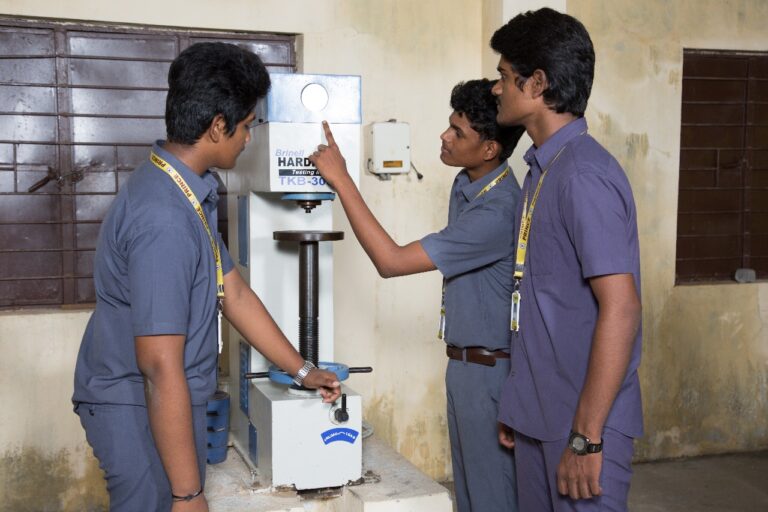
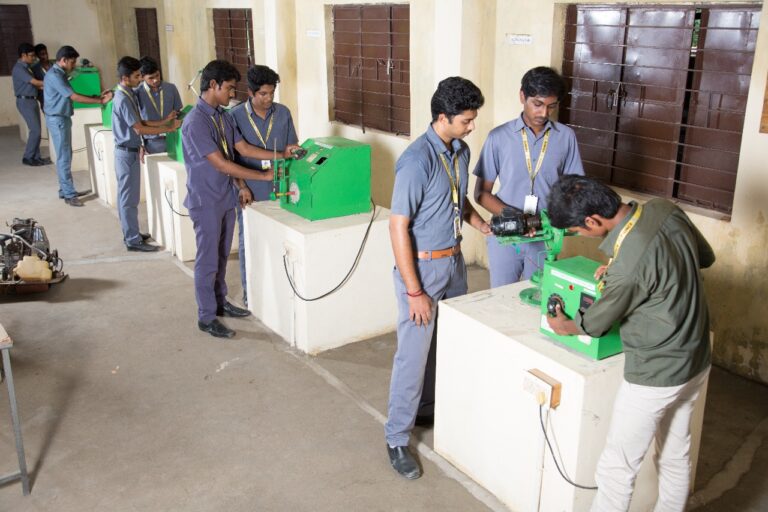
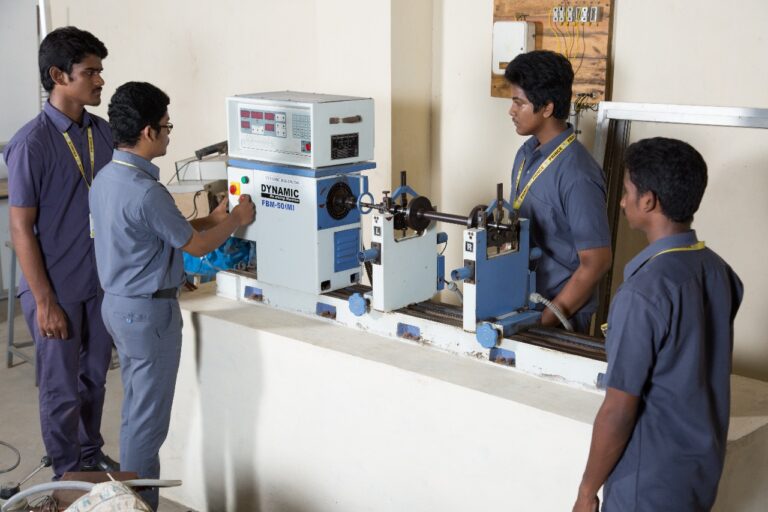
We take pride in our state-of-the-art lab infrastructure, equipped with cutting-edge hardware and software, tailored to support both integrated courses and value-added programs in the latest technology domains. We also conduct specialized value-added courses and actively encourage our students to earn certifications in modern technologies, including Neo4j, Google, AWS, Microsoft, Power BI, Flutter, and more.
Additionally, we provide continuous mentoring to help students upgrade their skills through online platforms such as NPTEL, Udemy, and other recognized resources. Our commitment to fostering a modern and engaging learning environment empowers students to excel in the ever-evolving field of technology.
Our Vision & Mission


VISION
To establish a centre of excellence in the field of Mechanical Engineering in academic research and development and serve the society by moulding the rural students as engineers to meet the ever growing challenges of the industry and Society.

MISSION
- To give students a broad exposure to all areas of Mechanical Engineering.
- To enable the students to acquire practical experience in Mechanical Engineering.
- To train the students and enable them to meet the technological challenges.
- To provide students with the fundamental technical knowledge and skills in the areas of design, thermal and manufacturing.
PROGRAM OUTCOMES
-
Engineering knowledge: Apply the knowledge of mathematics, science, engineering fundamentals, and an engineering specialization to the solution of complex engineering problems.
-
Problem analysis: Identify, formulate, review research literature, and analyze complex engineering problems reaching substantiated conclusions using first principles of mathematics, natural sciences, and engineering sciences.
-
Design/development of solutions: Design solutions for complex engineering problems and design system components or processes that the specified needs with appropriate consideration for the public health and safety, and the cultural, societal, and environmental considerations.
-
Conduct investigations of complex problems: Use research-based knowledge and research methods including design of experiments, analysis and interpretation of data, and synthesis of the information to provide valid conclusions.
-
Modern tool usage: Create, select, and apply appropriate techniques, resources, and modern engineering and IT tools including prediction and modeling to complex engineering activities with an understanding of the limitations
-
The engineer and society: Apply reasoning informed by the contextual knowledge to assess societal, health, safety, legal and cultural issues and the consequent responsibilities relevant to the professional engineering practice.
-
Environment and sustainability: Understand the impact of the professional engineering solutions in societal and environmental contexts, and demonstrate the knowledge of, and need for sustainable development.
-
Ethics: Apply ethical principles and commit to professional ethics and responsibilities and norms of the engineering practice.
-
Individual and teamwork: Function effectively as an individual, and as a member or leader in diverse teams, and in multidisciplinary settings.
-
Communication: Communicate effectively on complex engineering activities with the engineering community and with society at large, such as, being able to comprehend and write effective reports and design documentation, make effective presentations, and give and receive clear instructions.
-
Project management and finance: Demonstrate knowledge and understanding of the engineering and management principles and apply these to one’s own work, as a member and leader in a team, to manage projects and in multidisciplinary environments.
-
Life-long learning: Recognize the need for, and have the preparation and ability to engage independent life-long learning in the broadest context of technological change.
PROGRAM EDUCATIONAL OBJECTIVES (PEOs)
PEO 1: To prepare the students with strong foundation in the mathematical scientific and Engineering fundamental required to develop analyse and solve mechanical engineering problems.
PEO 2: To develop ability of the students in specialized areas of mechanical integrated systems such as materials design manufacturing and energy.
PEO 3: To inculcate the discipline attitude ethical approach and team work to enhance the employability and adaptability of students
PEO 4: To educate students to face challenges in continually changing dynamic industrial and social prerequisite.
Program Specific Outcomes (PSOs)
PSO 1: To apply the acquired core mechanical engineering knowledge to design and manufacture products relevant / needed to society in an innovative way.
PSO 2: To practice eco-friendly mechanical systems utilizing renewable energy sources.
Message from the Head of the Department –
Mechanical Engineering
Greetings!
Mechanical Engineering continues to be one of the most versatile and impactful branches of engineering. It touches almost every aspect of our lives—healthcare, transportation, energy, manufacturing, and even space and climate technology. At its core, it integrates the principles of physics, mathematics, and material science to design and produce innovative, reliable, and cost-effective solutions for real-world challenges.
At the Department of Mechanical Engineering, PSVPEC, we are committed to shaping engineers who are not only technically sound but also socially responsible. Our vision is to establish a centre of excellence in academics, research, and innovation, especially by empowering students from rural backgrounds to become industry-ready professionals and future leaders.
Our department provides a broad-based education in mechanical systems, complemented by hands-on laboratory training and exposure to cutting-edge technologies. Our faculty are actively engaged in research, product development, and industry collaboration. Through regular workshops, internships, and consultancy projects, we ensure that our students bridge the gap between classroom learning and practical application.
We believe in fostering a culture of innovation and continuous learning. Whether it is through academic projects, startup incubation, or societal outreach, our aim is to contribute meaningfully to industry, community, and the nation at large.
I welcome you to explore our department and become a part of our journey toward excellence in engineering education and innovation.
Warm regards,
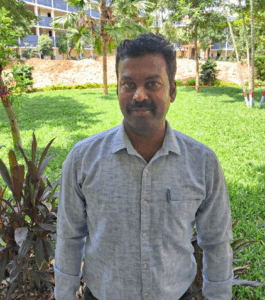
Dr.T.Surulivel rajan M.E.,Ph.D.
Associate Professor & HOD
surulivelrajan.mech@psvpec.in
+91 99625 82279
Department of Mechanical Engineering
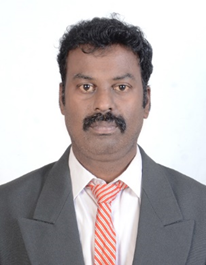
Dr.T.Surulivel rajan
Associate Professor
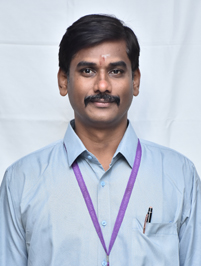
Dr.R.Srisainath
Assistant Professor
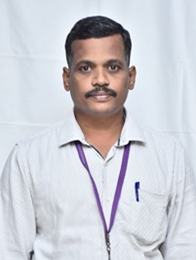
Mr.G.Sathi
Assistant Professor
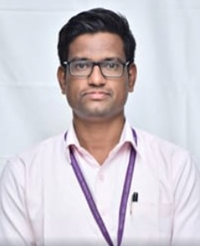
Mr.P.Vijayaraghavan
Assistant Professor
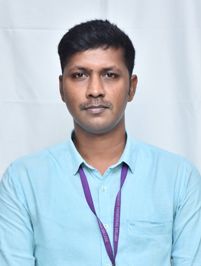
Mr.S.Sheril
Assistant Professor
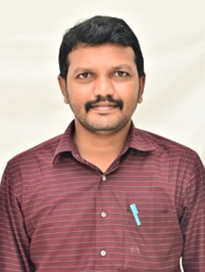
Mr.V.Janakiraman
Assistant Professor
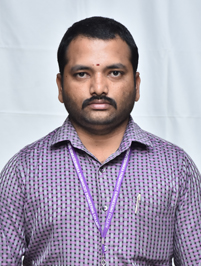
Mr. S.Srisathirapathy
Assistant Professor
self learning
| S.No | Subject | Topic | Staff | Link | View Count |
|---|---|---|---|---|---|
|
Content |
Content |
Content |
Content |
Content |
Content |
|
Content |
Content |
Content |
Content |
Content |
Content |
|
Content |
Content |
Content |
Content |
Content |
Content |
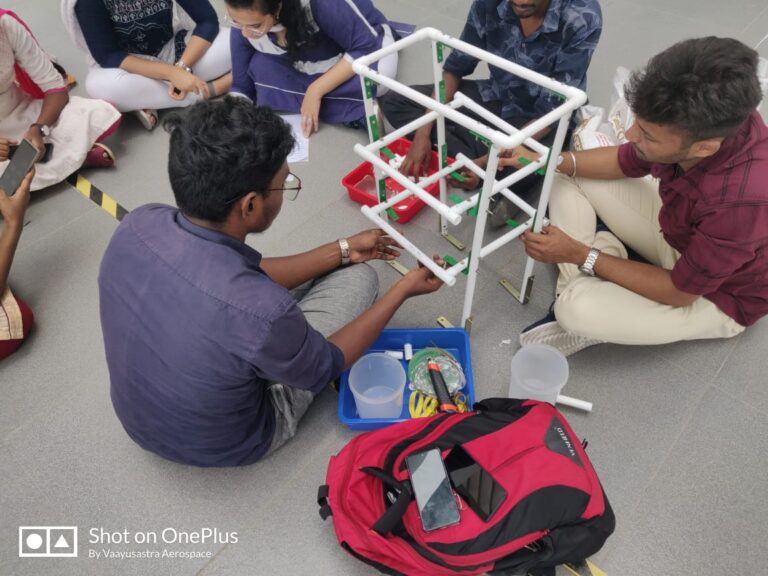
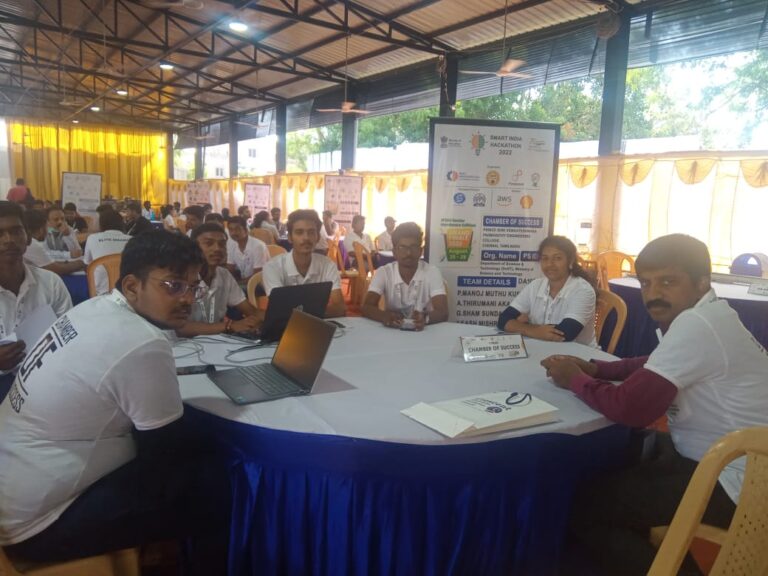
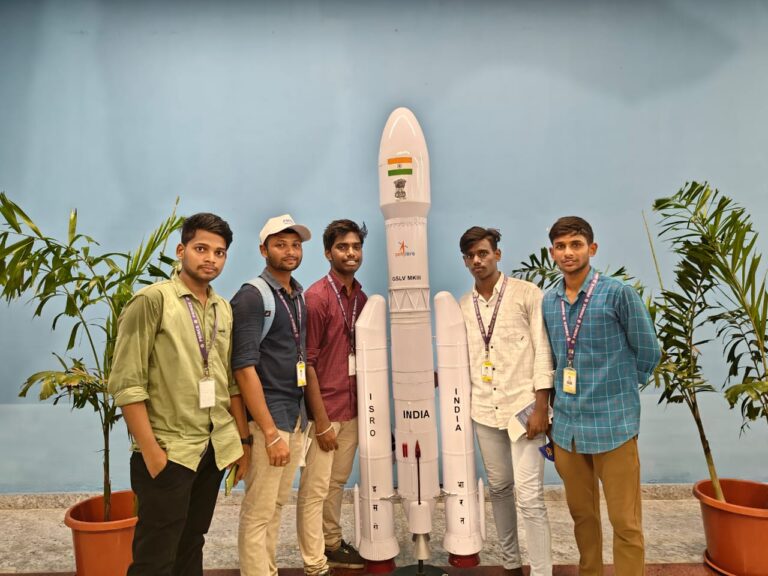
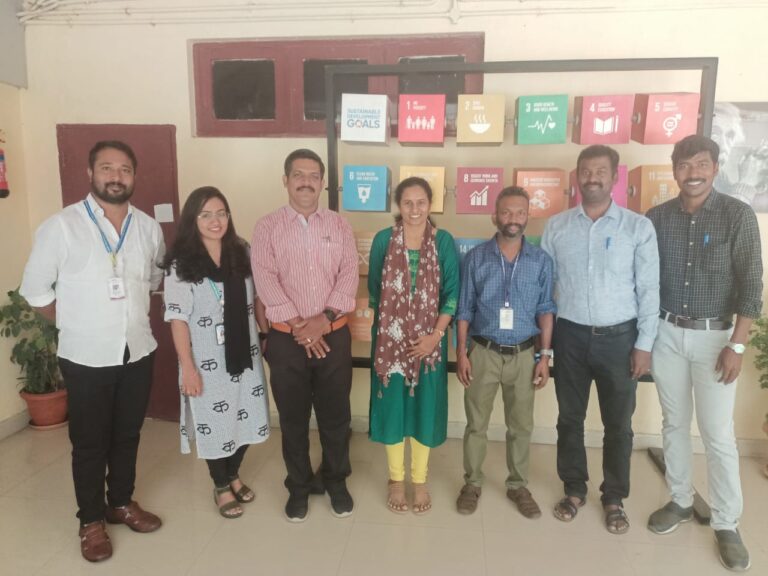
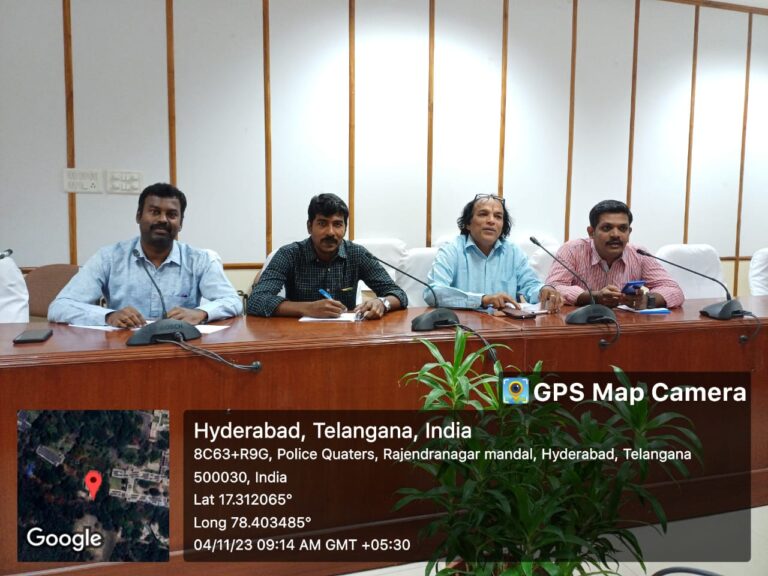
gallery
Infrastructure