B.E - Electronics and Communication Engineering

“Innovate, Build, Succeed – Transforming Future Tech Leaders.”
-
About The Department
-
Message from the Head of the Department
-
Our Vision & Mission
-
Program Outcomes
-
Achievements
-
Self Learning
-
Faculty
-
Gallery
-
Guest Lectures & Workshops
-
Hackathons & Symposiums
-
Industry Connect
ABOUT THE DEPARTMENT
The Department of Electronics and Communication Engineering at Prince Shri Venkateshwara Padmavathy Engineering College is committed to nurturing globally competent, innovative, and socially responsible engineers. With a strong foundation in theoretical concepts and hands-on learning, the department emphasizes industry-relevant skills, research-based education, and ethical practices. It is equipped with advanced laboratories in areas such as Analog and Digital Systems, Communication, Embedded Systems, and VLSI Design, supported by a dedicated departmental library. The department actively collaborates with reputed industries through MoUs, facilitating internships, industrial visits, and real-time projects. Backed by a team of experienced and research-oriented faculty, the department consistently ensures high academic performance and successful placements in leading core and IT companies. The ECE department stands as a center of excellence, fostering innovation, technical proficiency, and professional growth.
Message from the Head of the Department –
Electronics and Communication Engineering
Welcome to the Department of Electronics and Communication Engineering at Prince Shri Venkateshwara Padmavathy Engineering College. Our department is driven by a vision to empower students with a strong foundation in core concepts, hands-on technical skills, and a passion for innovation. With a dedicated team of experienced faculty, modern laboratories, and active industry collaborations, we provide a dynamic learning environment that bridges the gap between academia and industry.
We believe in shaping students not just as engineers, but as responsible professionals ready to meet global challenges with confidence and creativity. Our focus on research, project-based learning, and value-based education ensures that every student graduates with the competence to contribute meaningfully to the ever-evolving field of Electronics and Communication. I invite you to explore our department, participate in our vibrant academic culture, and be a part of our journey towards excellence.
Warm regards,
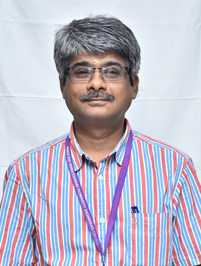
Dr. K.K.Senthil Kumar M.E.,Ph.D.
Dr. K.K.Senthil Kumar M.E.,Ph.D.
PROFESSOR AND HEAD OF THE DEPARTMENT
Email:senthilkumar.k.k.ece@psvpec.in
Mobile Number : +91 97898 32134
Our Vision & Mission


VISION
To produce competent graduates suitable for industries, organization and research at global level by providing quality technical education and by imparting human values to meet the globalized technological society.

MISSION
- To encourage students to become as problem solving individuals by providing an efficient teaching and learning environment with essential resources.
- To promote higher education, research and develop a culture of innovation driven entrepreneurship by inculcating the professional and moral values in the students.
- To bestow opportunity for fostering skills and innovative potential of students through industry-specific methods.
Our Vision & Mission
MISSION
- To encourage students to become as problem solving individuals by providing an efficient teaching and learning environment with essential resources.
- To promote higher education, research and develop a culture of innovation driven entrepreneurship by inculcating the professional and moral values in the students.
- To bestow opportunity for fostering skills and innovative potential of students through industry-specific methods.


VISION
To produce competent graduates suitable for industries, organization and research at global level by providing quality technical education and by imparting human values to meet the globalized technological society.
PROGRAMME OUTCOMES (POs)
-
Engineering knowledge: Apply the knowledge of mathematics, science, engineering fundamentals, and an engineering specialization to the solution of complex engineering Problems.
-
Problem analysis: Identify, formulate, review research literature, and analyze complex engineering problems reaching substantiated conclusions using first principles of mathematics, natural sciences, and engineering sciences.
-
Design/development of solutions: Design solutions for complex engineering problems and design system components or processes that meet the specified needs with appropriate consideration for the public health and safety, and the cultural, societal, and environmental considerations.
-
Conduct investigations of complex problems: Use research-based knowledge and research methods including design of experiments, analysis and interpretation of data, and synthesis of the information to provide valid conclusions.
-
The engineer and society: Apply reasoning informed by the contextual knowledge to assess societal, health, safety, legal and cultural issues and the consequent responsibilities relevant to the professional engineering practice.
-
Environment and sustainability: Understand the impact of the professional Engineering solutions in societal and environmental contexts, and demonstrate the Knowledge of, and need for sustainable development.
-
Apply ethical principles and commit to professional ethics and responsibilities and norms of the engineering practice.
-
Individual and team work: Function effectively as an individual, and as a member or leader in diverse teams, and in multidisciplinary settings.
-
Communication: Communicate e ectively on comp ex engineering activities with e engineering community and with society at large, such as, being able to comprehend and write effective reports and design documentation, make effective presentations, and give and receive clear instructions.
-
Project management and finance: Demonstrate knowledge and understanding of the engineering and management principles and apply these to one's own work, as a member and leader in a team, to manage projects and in multidisciplinary environments.
-
Life-long learning: Recognize the need for, and have the preparation and ability to engage in independent and life-long learning in the broadest context of technological change.
PROGRAMME EDUCATIONAL OBJECTIVES (PEOs)
PEO 1: Graduates will design, test and implement
interdisciplinary and innovative systems in their profession through global education standards.
PEO 2: Graduates will inculcate effective communication
skills, team work, professional ethics and preparing for
leadership in a rapidly changing world.
PEO 3: Graduates will apply latest technologies of electronics
and communication engineering for the current professional
issues and come out with innovative solutions for the
betterment of the nation and society.
Program Specific Outcomes (PSOs)
PSO 1: To design and develop systems for real time problems in the areas related to electronics and communication engineering using latest Communication Systems,Embedded Systems and VLSI.
PSO 2: To develop innovative eco-friendly solutions and
products in the field of electronics and communication
engineering using the cutting-edge hardware and software tools along with analytical skills.
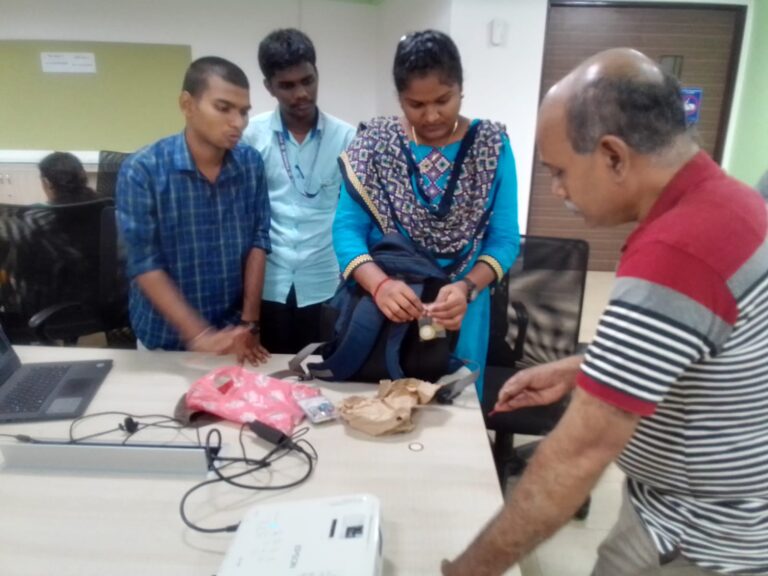
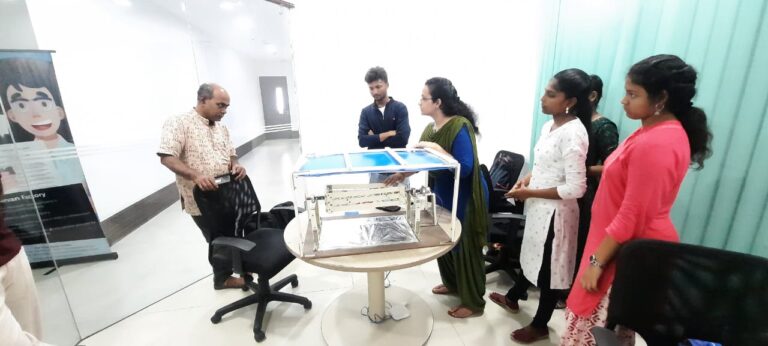
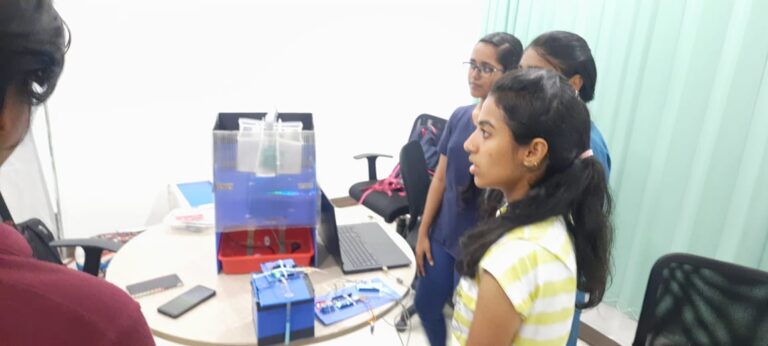
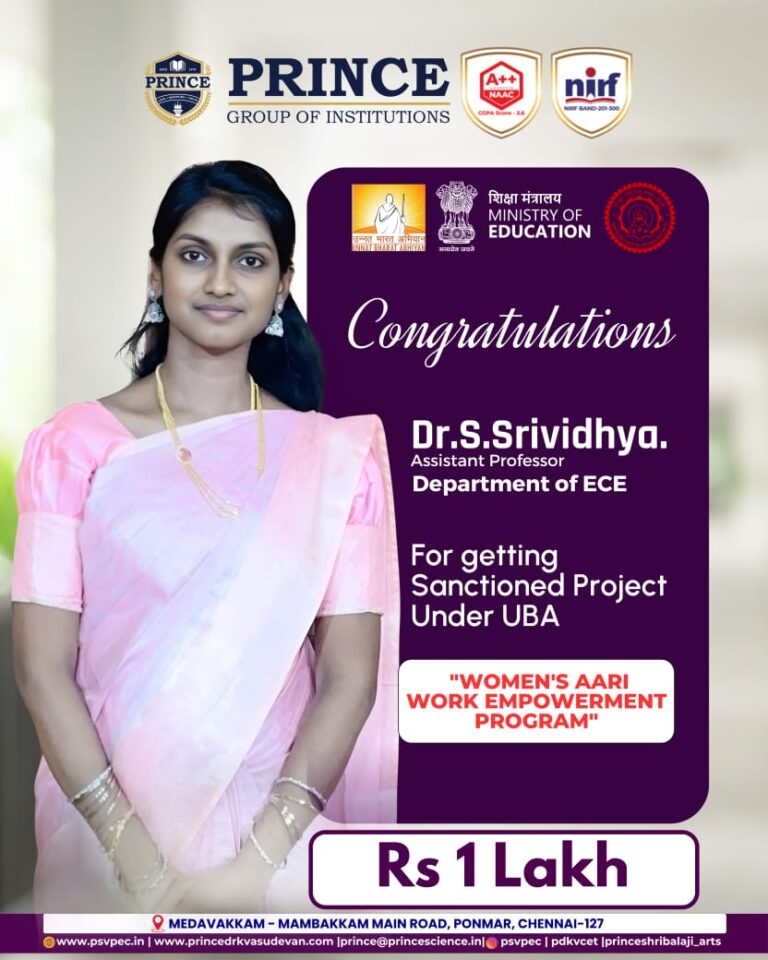
Achievements
self learning
E - CONTENT
LECTURE VIDEOS
| S.No | Subject | Topic | Staff | Staff | Link | |
|---|---|---|---|---|---|---|
|
1. |
TRANSMISSION LINES AND WAVEGUIDES |
TELEPHONE CABLE |
A.BENILA |
|||
|
2. |
ANALOG AND DIGITAL COMMUNICATION |
HAMMING DISTANCE -ERROR CORRECTION AND DETECTION |
B.JESVIN VEANCY |
|||
|
3.
|
TRANSMISSION LINES AND RF SYSTEMS |
TRANSMISSION LINE- GENERAL SOLUTION |
NIRMALA D |
|||
|
4. |
EC8501 DIGITAL COMMUNICATION |
DIGITAL MODULATION TECHNIQUES |
NIRMALA D |
|||
|
5. |
Microprocessor and Microcontroller |
Assembly Language Programming |
Ms.G.Vijayalakshmi.G |
|||
|
6. |
Embedded systems and IoT Design |
Instruction set of 8051 Microcontroller |
Ms.G.Vijayalakshmi.G |
|||
|
7. |
HUMAN VALUES AND ETHICS |
Inductive and deductive thinking |
Ms.G.Vijayalakshmi.G |
|||
|
8. |
Digital signal Processing |
Linear and Circular Convolution |
Ms.S.Chitra |
|||
|
9. |
Total Quality Management |
Tools and Techniques |
Ms.S.Chitra |
|||
|
10. |
Embedded systems and IoT |
IoT Communication Models |
Ms.S.Chitra |
|||
|
11. |
Wireless Networks |
WLAN |
Ms.S.Chitra |
|||
|
12.
|
Digital Image Processing |
RELATIONSHIP BETWEEN PIXELS |
Ms.K.Divya |
|||
|
13.
|
ELECTRONIC CIRCUITS |
MOSFET |
Ms.K.Divya |
|||
|
14. |
VLSI AND CHIP DESIGN |
CMOS INVERTER |
Ms.K.Divya |
|||
|
15. |
Democracy and Good Governance |
Political parties
|
Ms. Primmia
|
|||
|
16. |
Satellite Communication
|
Kepler’s Law
|
Ms. Primmia
|
|||
|
17. |
DPCO
|
K Map
|
Ms Primmia
|
|||
|
18. |
Digital Electronics
|
K map
|
Ms Primmia
|
|||
|
19.
|
LINEAR INTEGRATED CIRCUITS
|
OPERATIONAL AMPLIFIER
|
Ms SHALINI M
|
|||
|
20. |
DIGITAL IMAGE PROCESSING
|
DIGITAL IMAGE PROCESSING
|
Ms SHALINI M
|
|||
|
21.
|
EXTRINSIC SEMICONDUCTOR |
EXTRINSIC SEMICONDUCTOR
|
Ms SHALINI M
|
|||
|
22. |
Control System
|
Introduction about control system and their types
|
Ms.P.Anbarasi
|
|||
|
23. |
Democracy and Good Governance
|
Democracy
|
Ms.P.Anbarasi
|
|||
|
24. |
LOW POWER IC DESIGN
|
MULTIPLIERS
|
Ms D. Nirmala
|
|||
|
25. |
ANTENNAS & MICROWAVE ENGINEERING |
MAGIC TEE
|
Ms D. Nirmala
|
|||
|
26. |
EMBEDDED SYSTEM AND IoT |
COMMUNICATION PROTOCOL |
Ms.A.Benila
|
|||
|
27. |
ANALOG AND DIGITAL ELECTRONICS |
BIPOLAR JUNCTION TRANSISTOR |
G.RAMYA |
Department of ELECTRONICS AND COMMUNICATION ENGINEERING
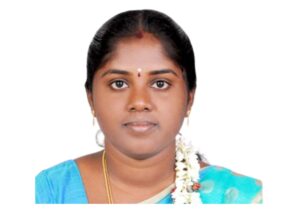
Dr.K.K.Senthilkumar M.E., Ph.D.
PROFESSOR & HEAD
Dr.X.Mercilin Raajini M.E., Ph.D.
PROFESSOR
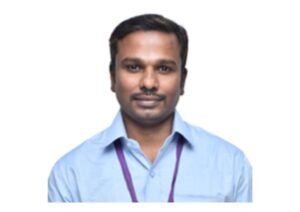
Dr.A.R.Aravind M.Tech, Ph.D.
ASSOCIATE PROFESSOR
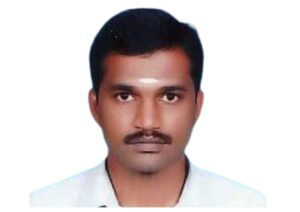
Dr.S.Yuvaraj M.E., Ph.D.
ASSOCIATE PROFESSOR
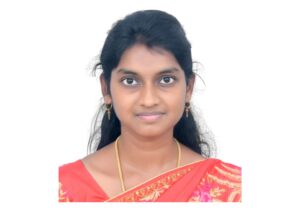
Dr.S.Srividhya M.Tech, Ph.D.
ASSOCIATE PROFESSOR
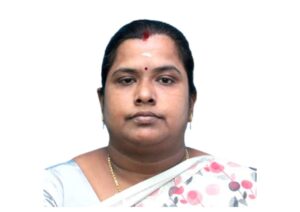
Dr.Rathika.S M.E., Ph.D.
ASSOCIATE PROFESSOR
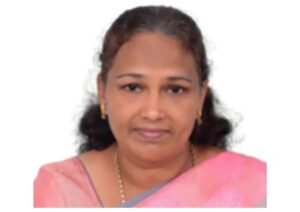
Dr.B.Jesvin Veancy M.E., Ph.D
ASSOCIATE PROFESSOR
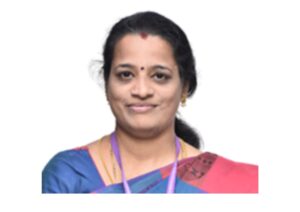
Ms.G.Vijayalakshmi M.E.,
Assistant Professor
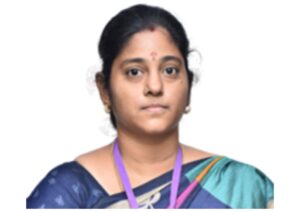
Ms.D.Nirmala M.E.,
Assistant Professor
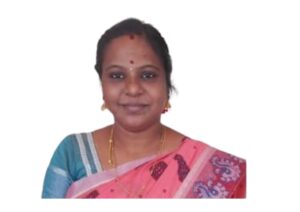
Ms.K.Divya M.E.,
Assistant Professor
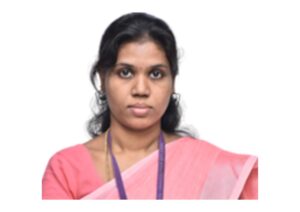
Ms.G.Kalanandhini M.E.,
Assistant Professor
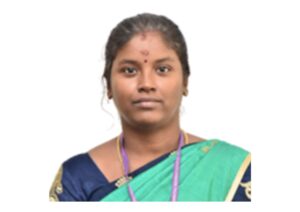
Ms.S.Chitra M.E.,
Assistant Professor
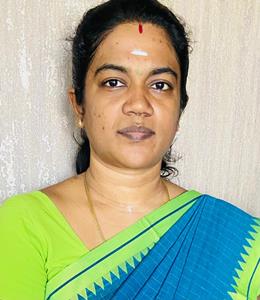
Ms.M.Shalini M.E.,
Assistant Professor
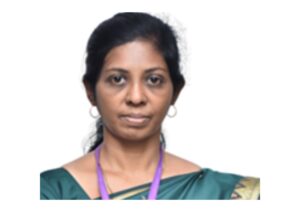
Ms.A.Benila M.E.,
Assistant Professor
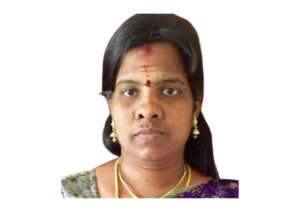
Ms.M.Renuga M.E.,
Assistant Professor
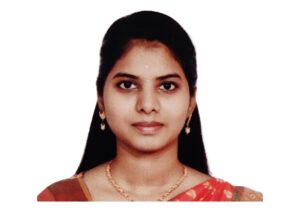
Ms.J.Jaisudha M.E.,
Assistant Professor
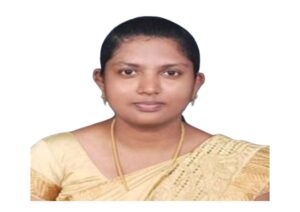
Ms.D.R.Primmia M.E.,
Assistant Professor
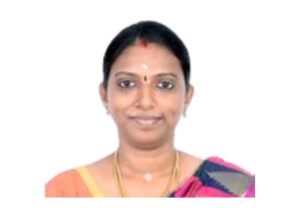
Ms.G.Ramya M.E.,
Assistant Professor
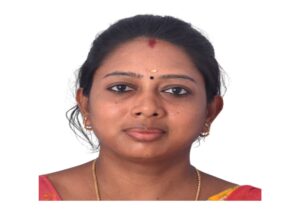
Ms.P.Anbarasi M.E.,
Assistant Professor
gallery
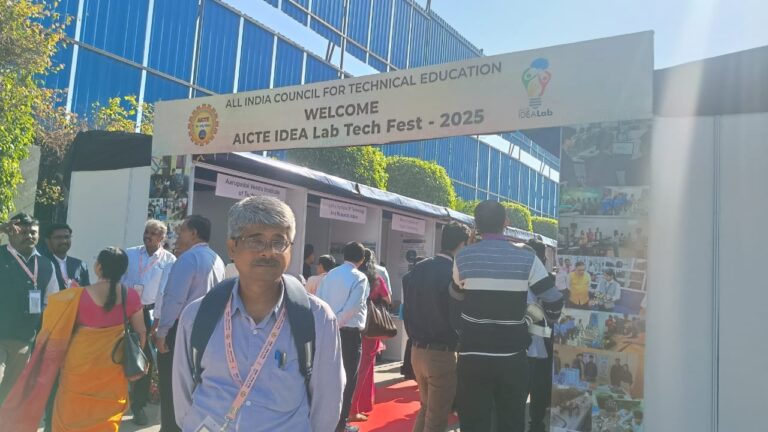
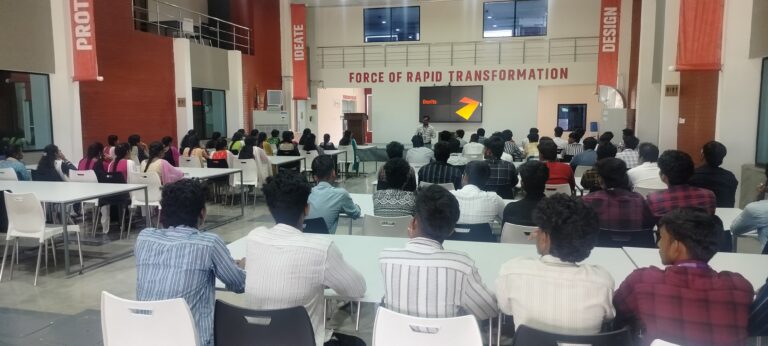
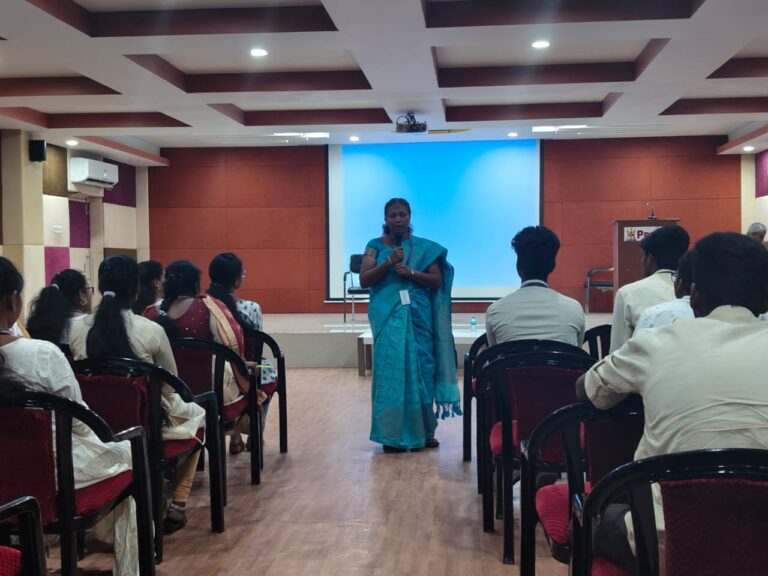
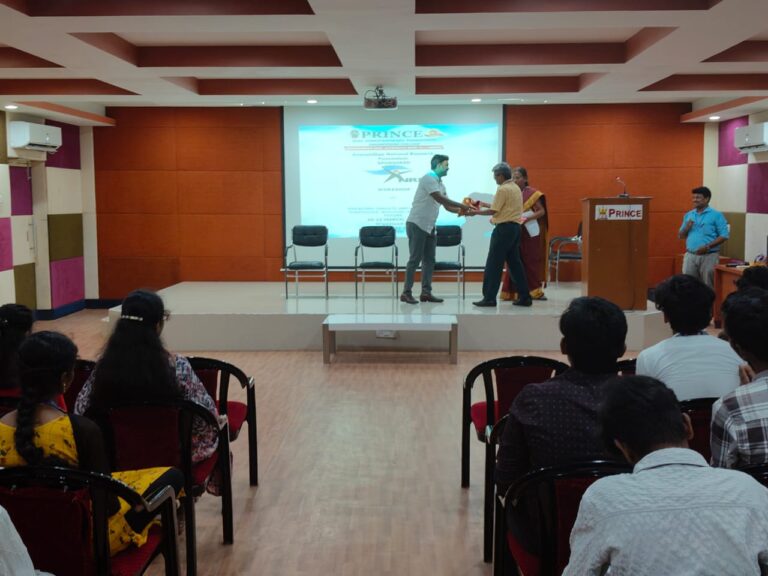
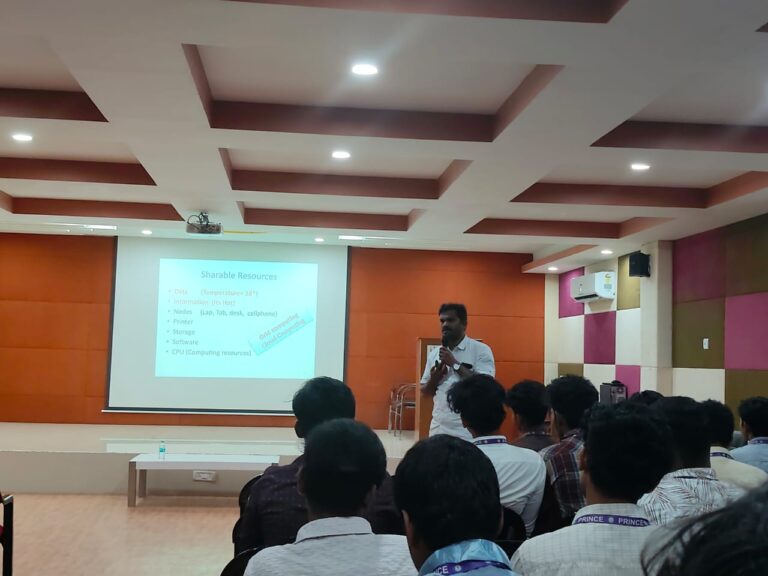
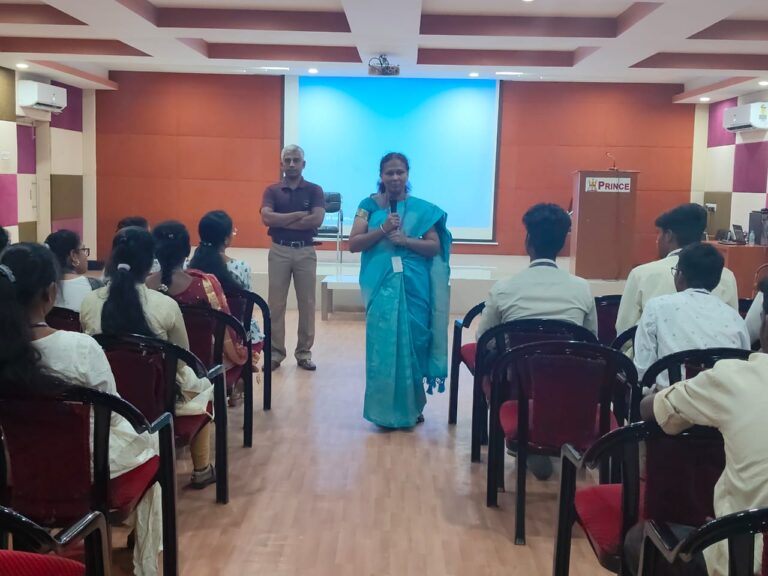
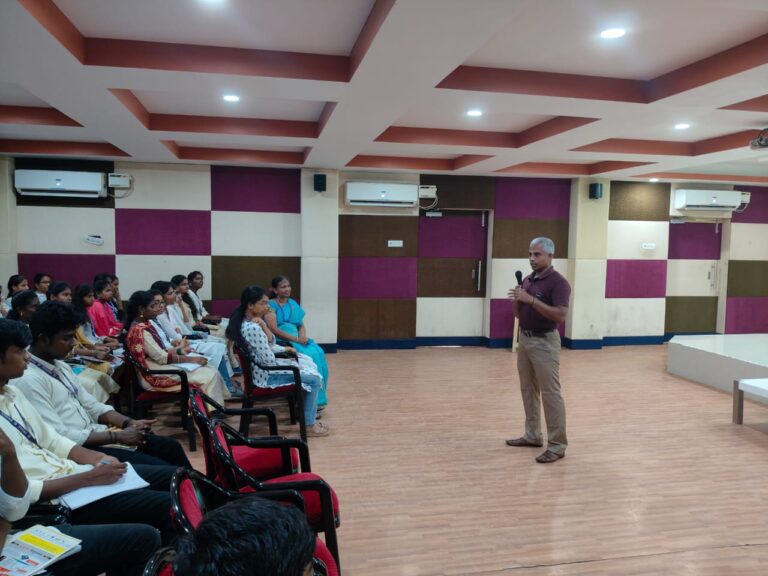
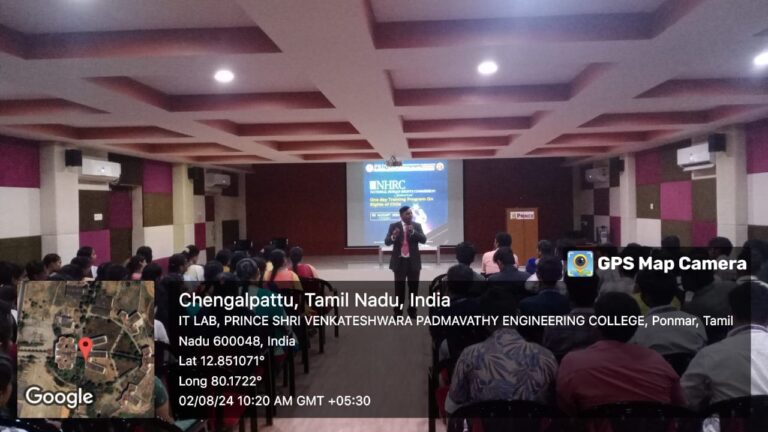
Guest Lectures & Workshops
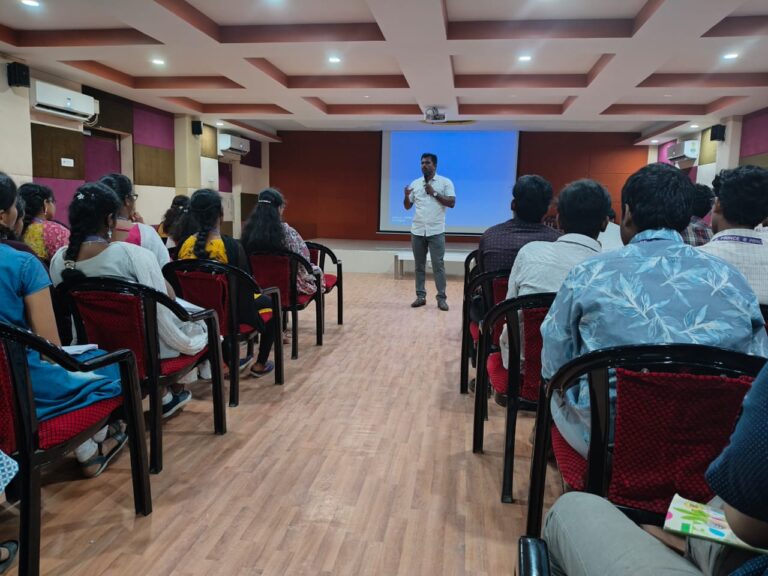
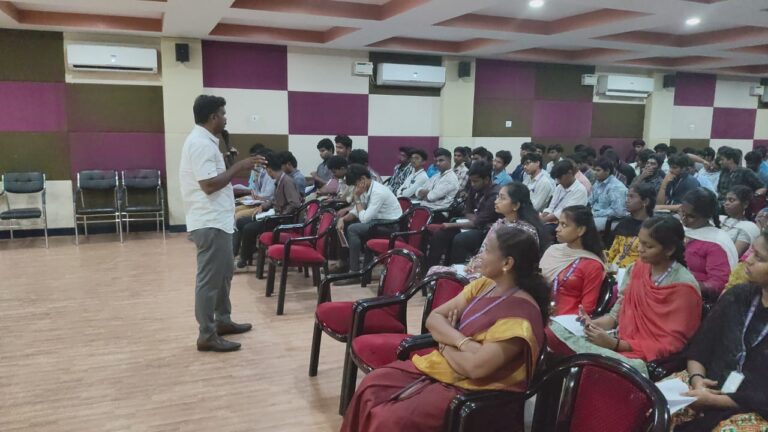
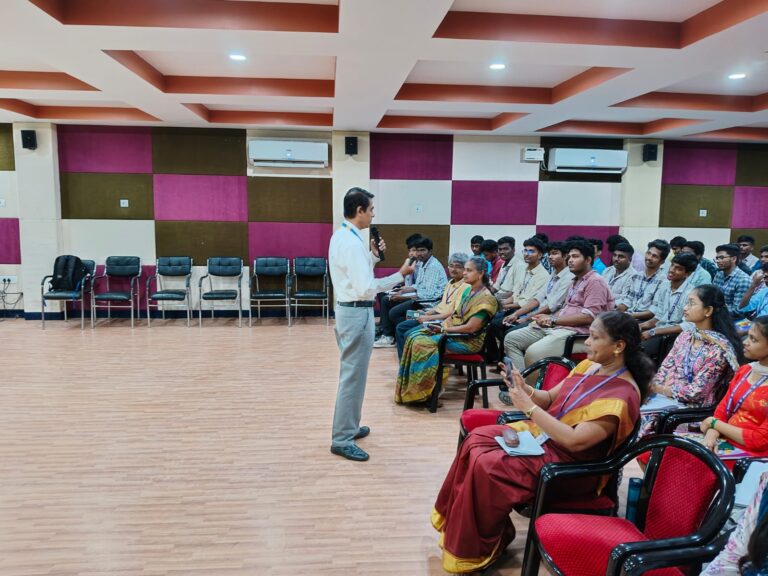
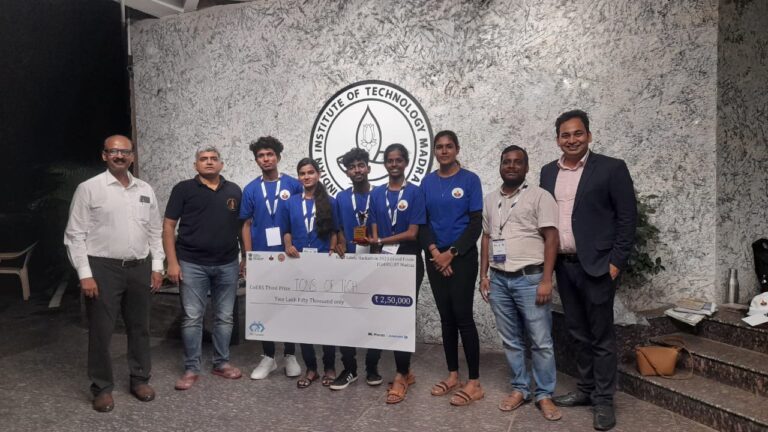
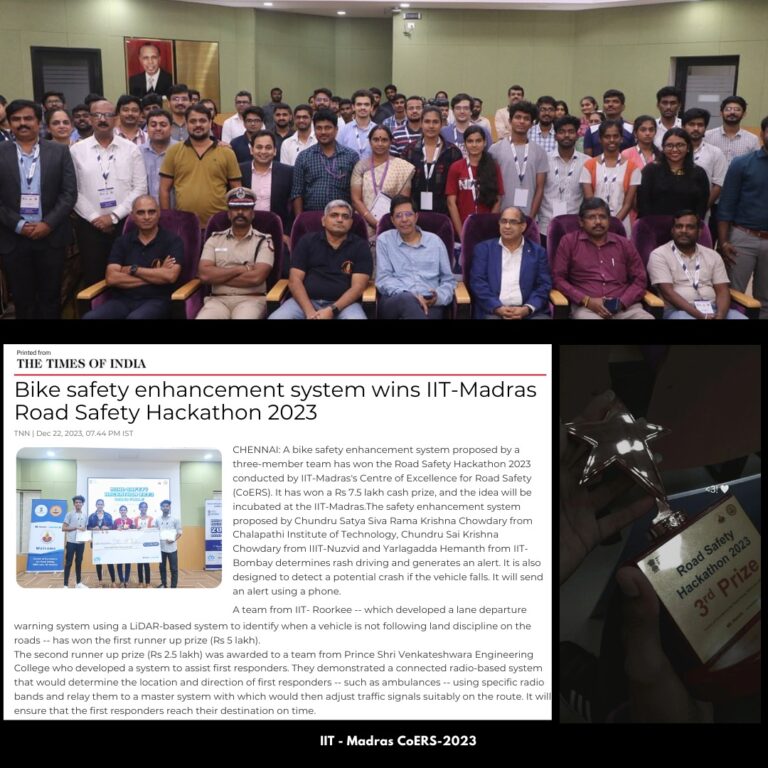
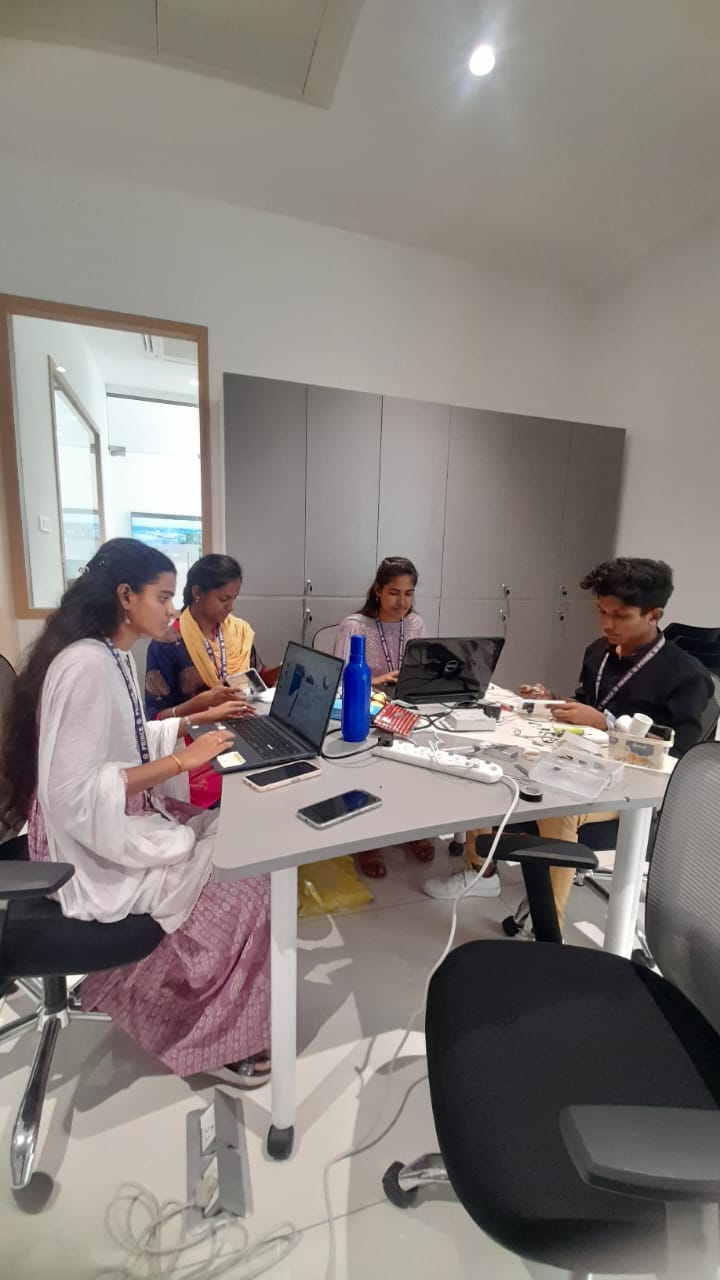
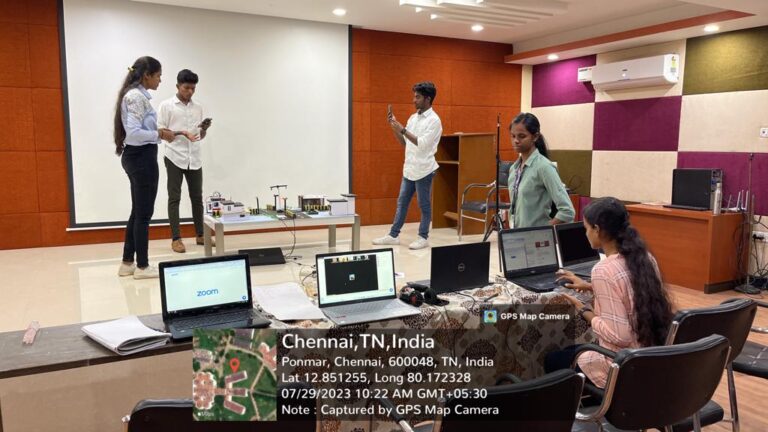
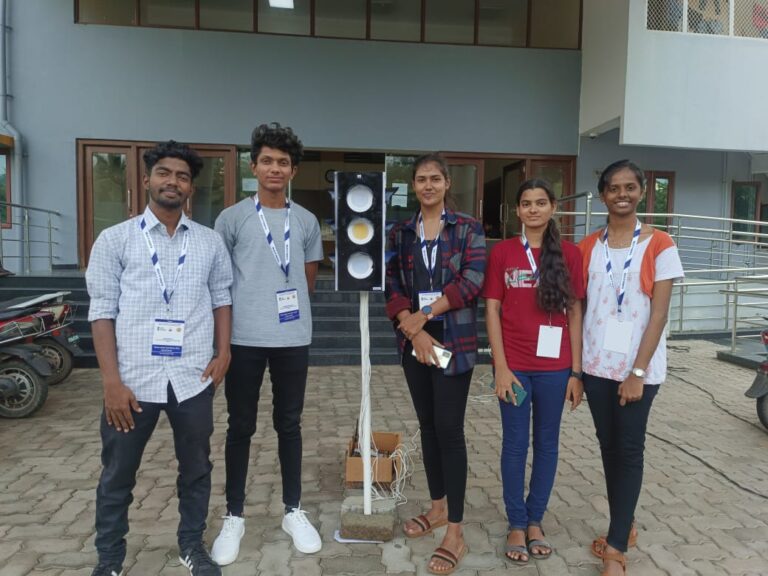
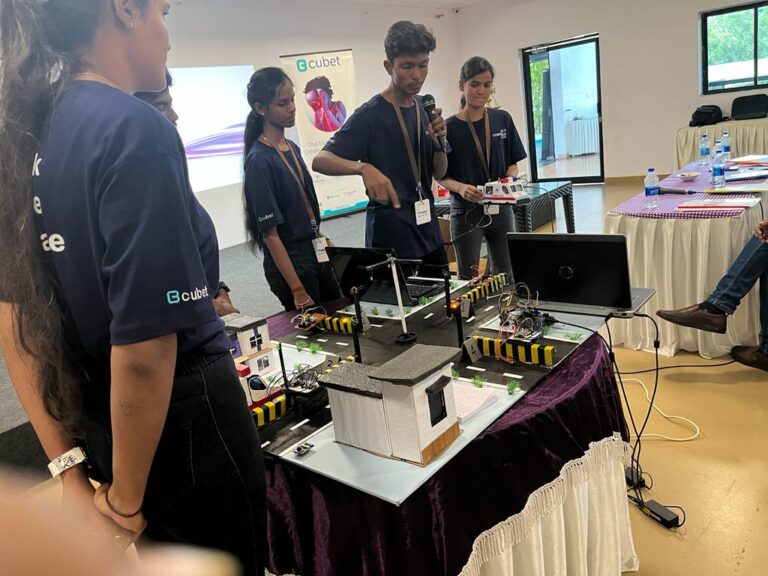
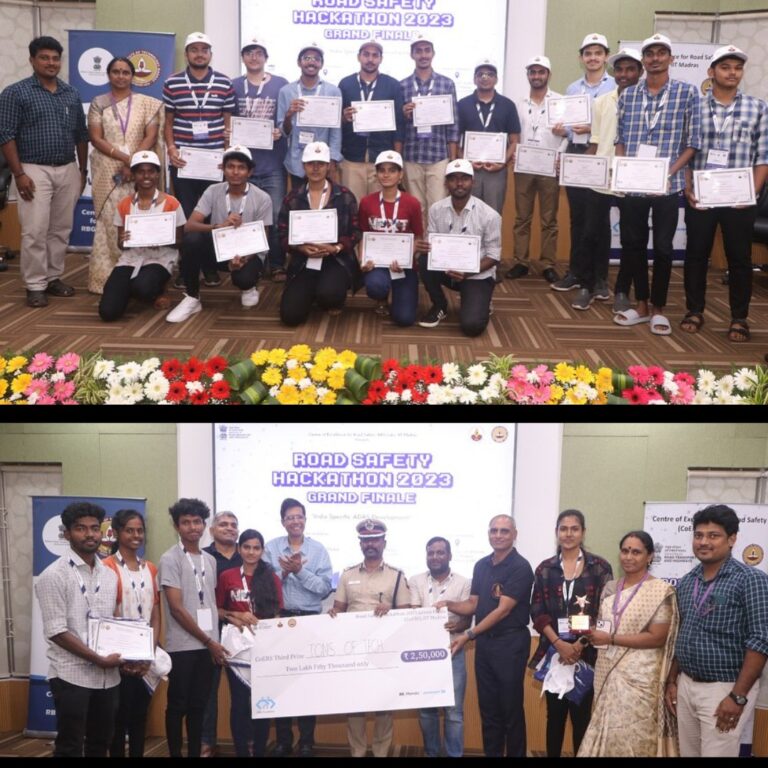
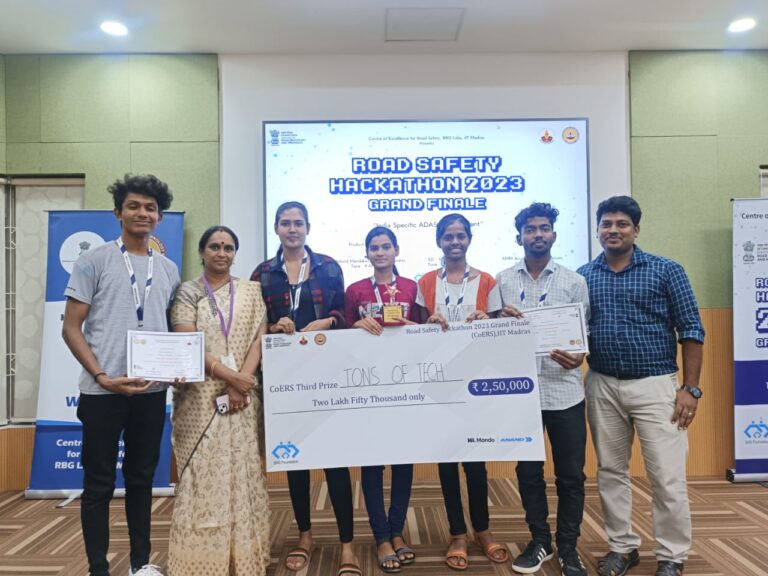
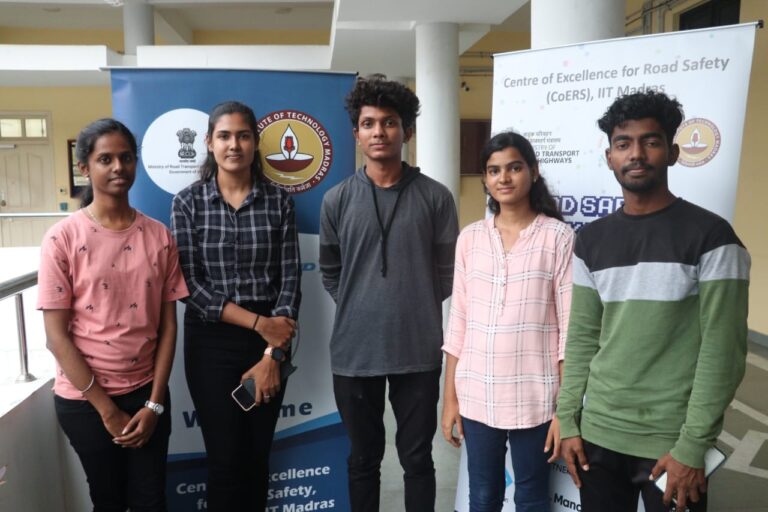
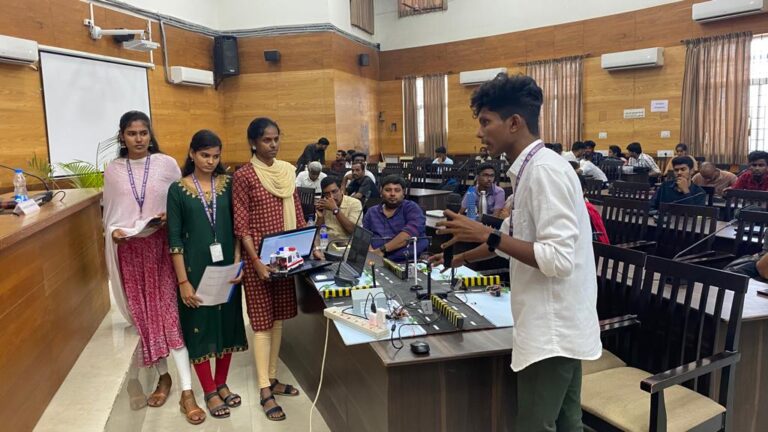
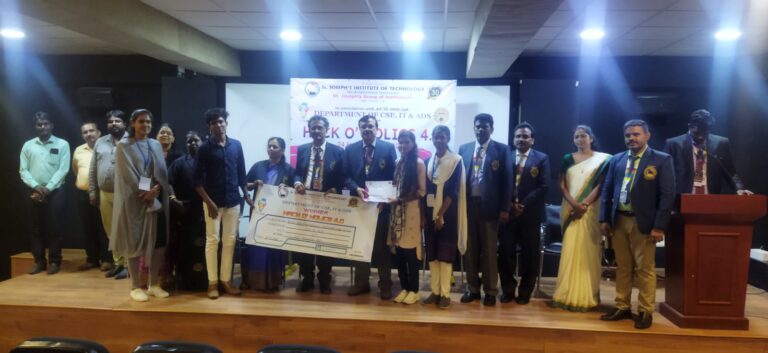
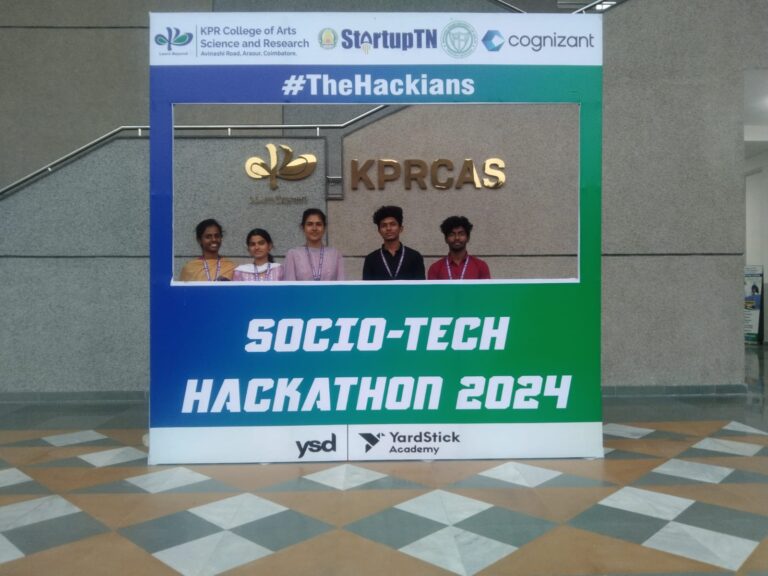
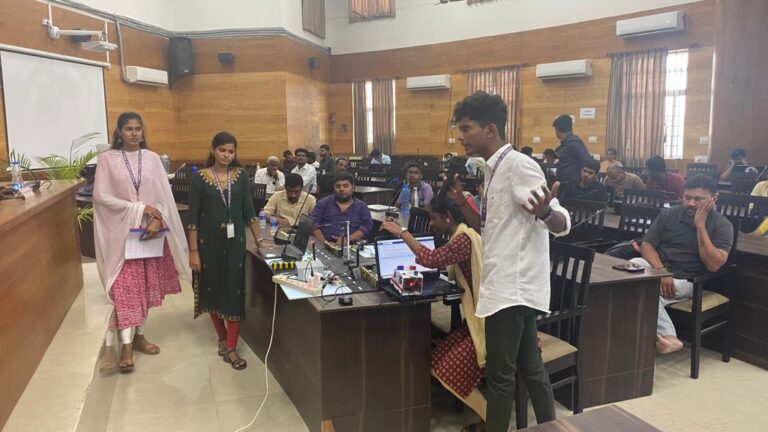
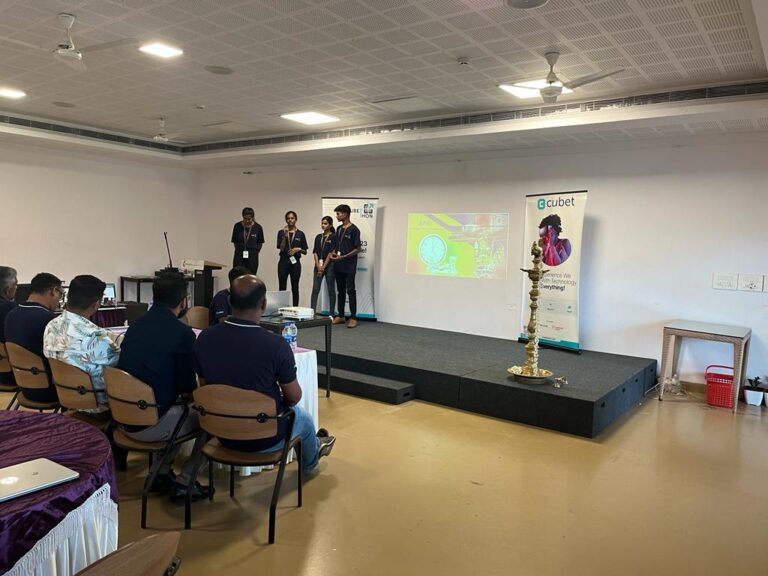
Hackathons & Symposiums
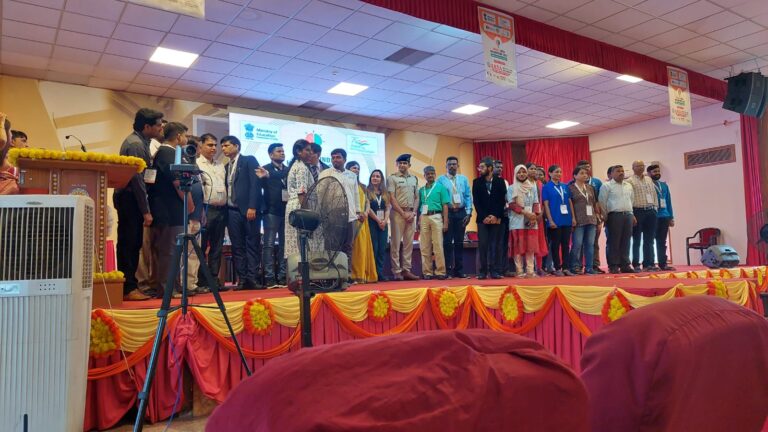
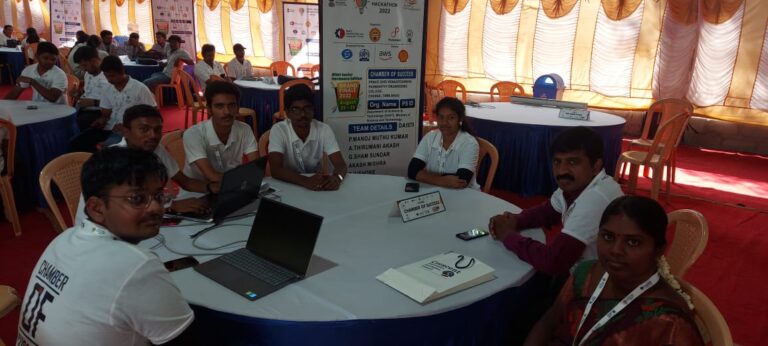
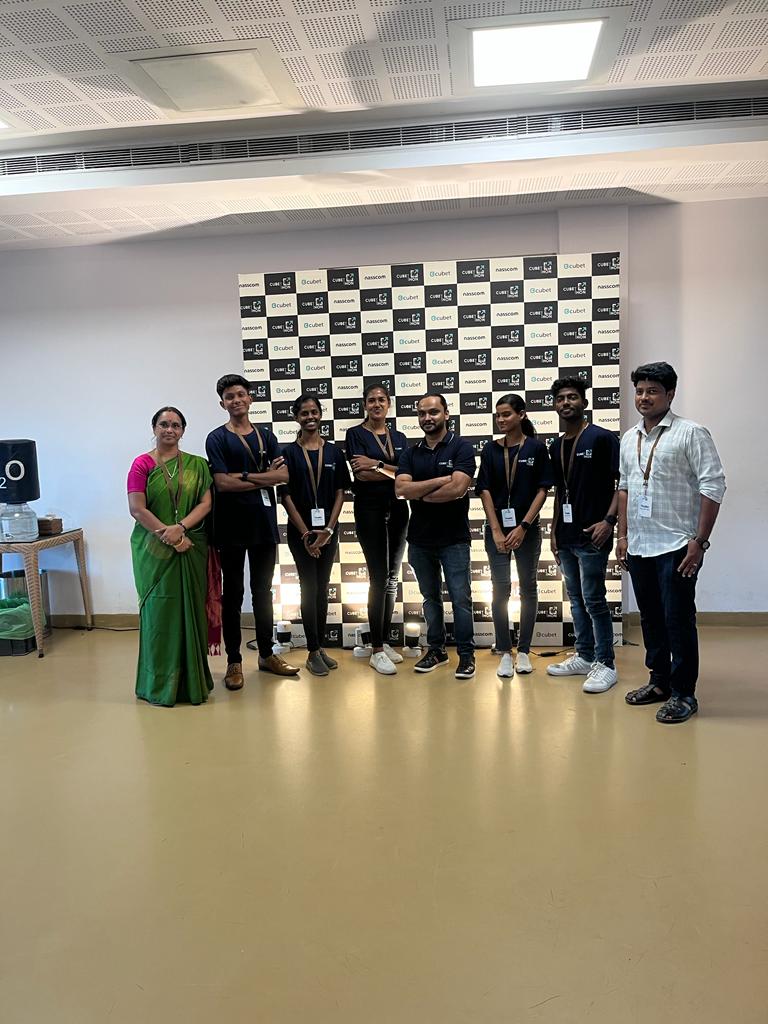
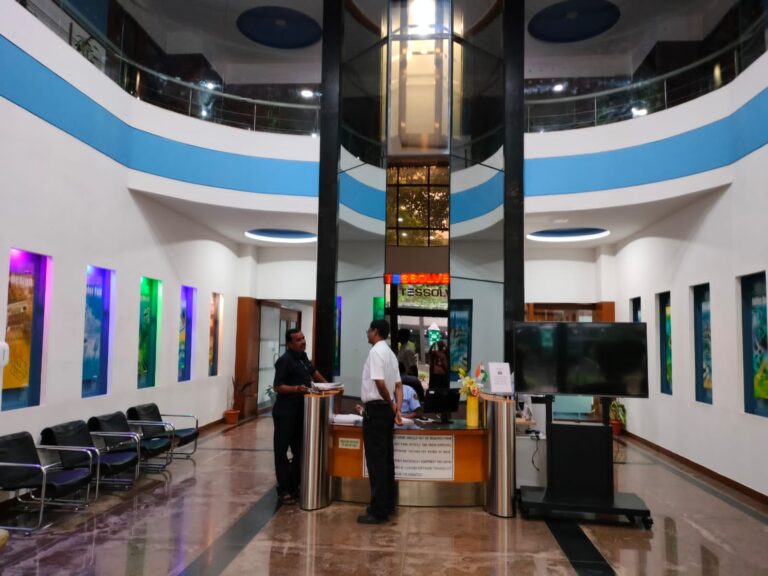
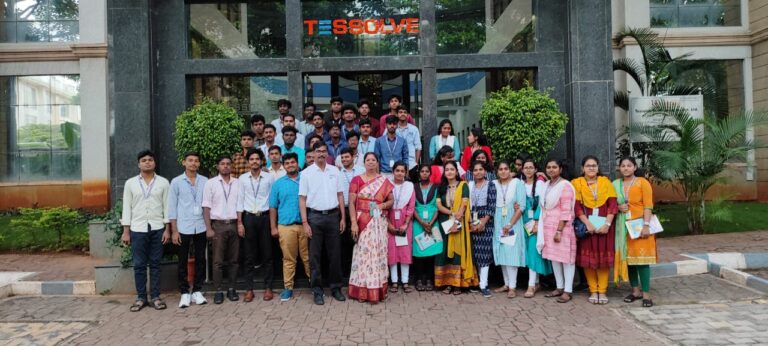
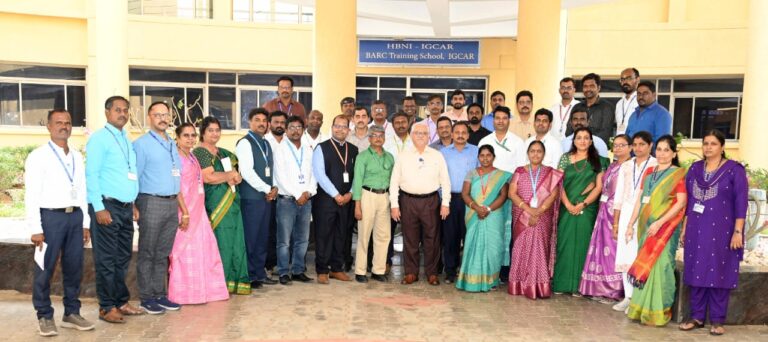
Industry Connect