B.E - COMPUTER SCIENCE AND ENGINEERING

“Empowering Innovators in Computer Science & Engineering”
-
About The Department
-
Message from the Head of the Department
-
Our Vision & Mission
-
Program Outcomes
-
Achievements
-
Self Learning
-
Faculty
-
Gallery
-
Guest Lectures & Workshops
-
Hackathons & Symposiums
-
Industry Connect
-
Infrastructure
-
International Collaboration
-
Agile Assembly
ABOUT THE DEPARTMENT
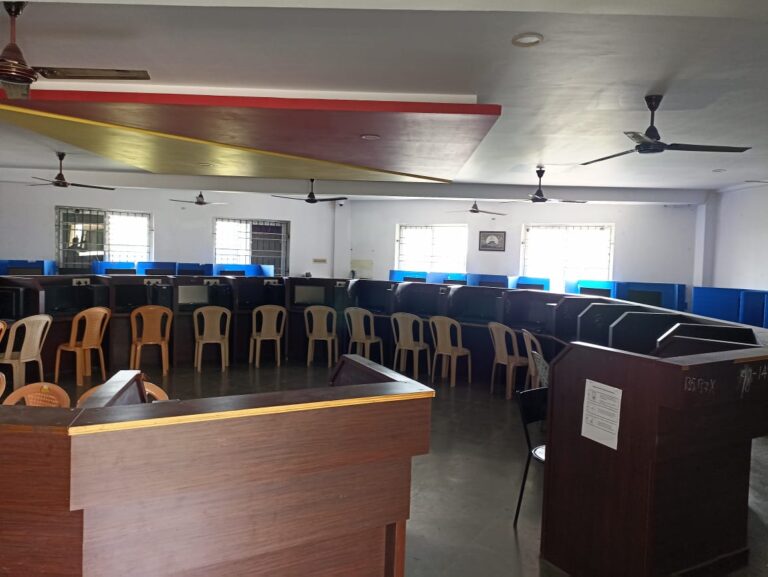
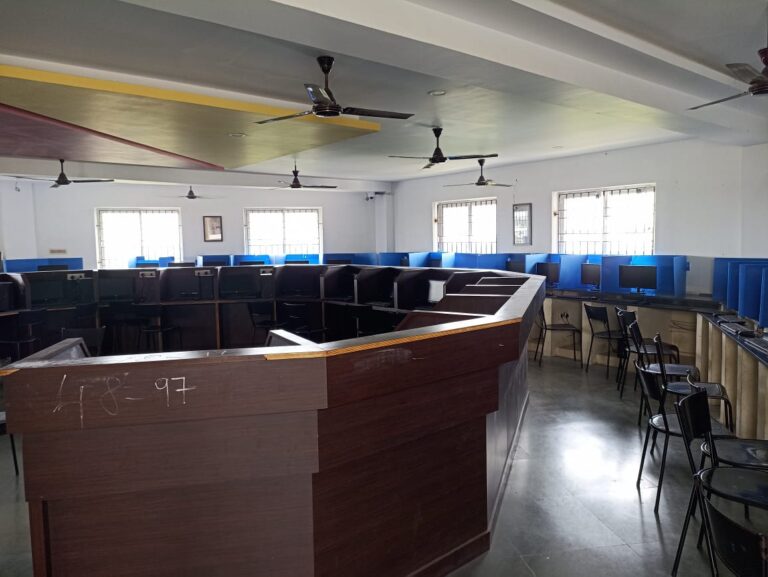
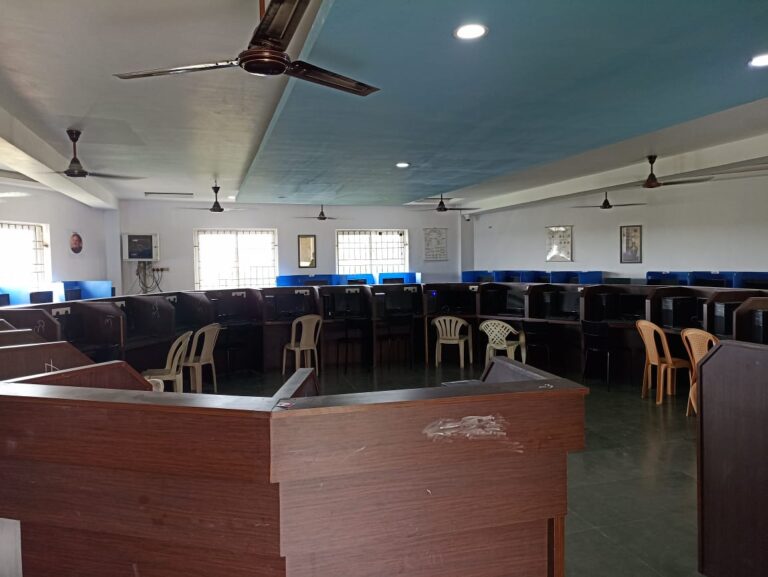
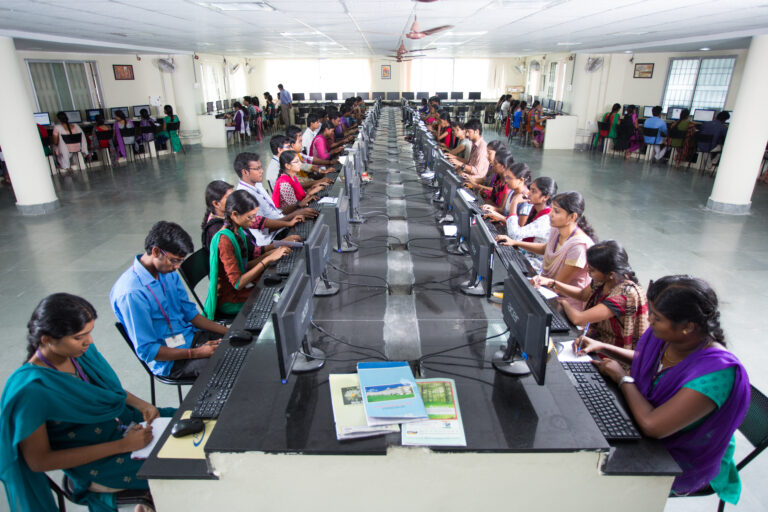
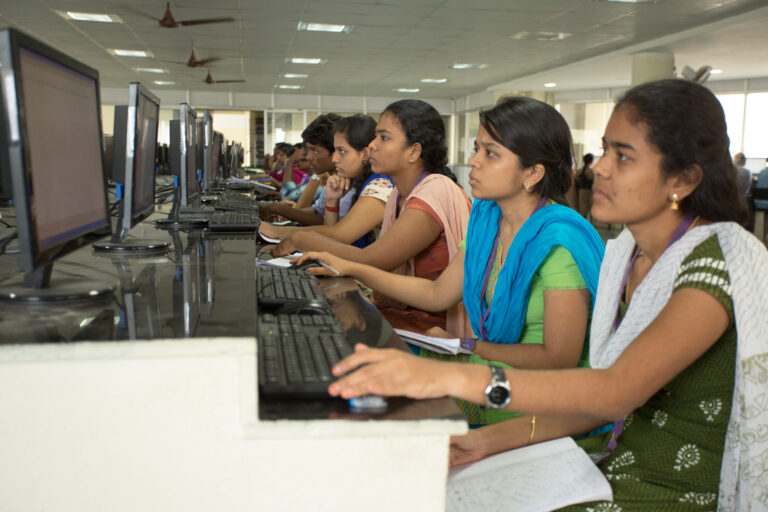
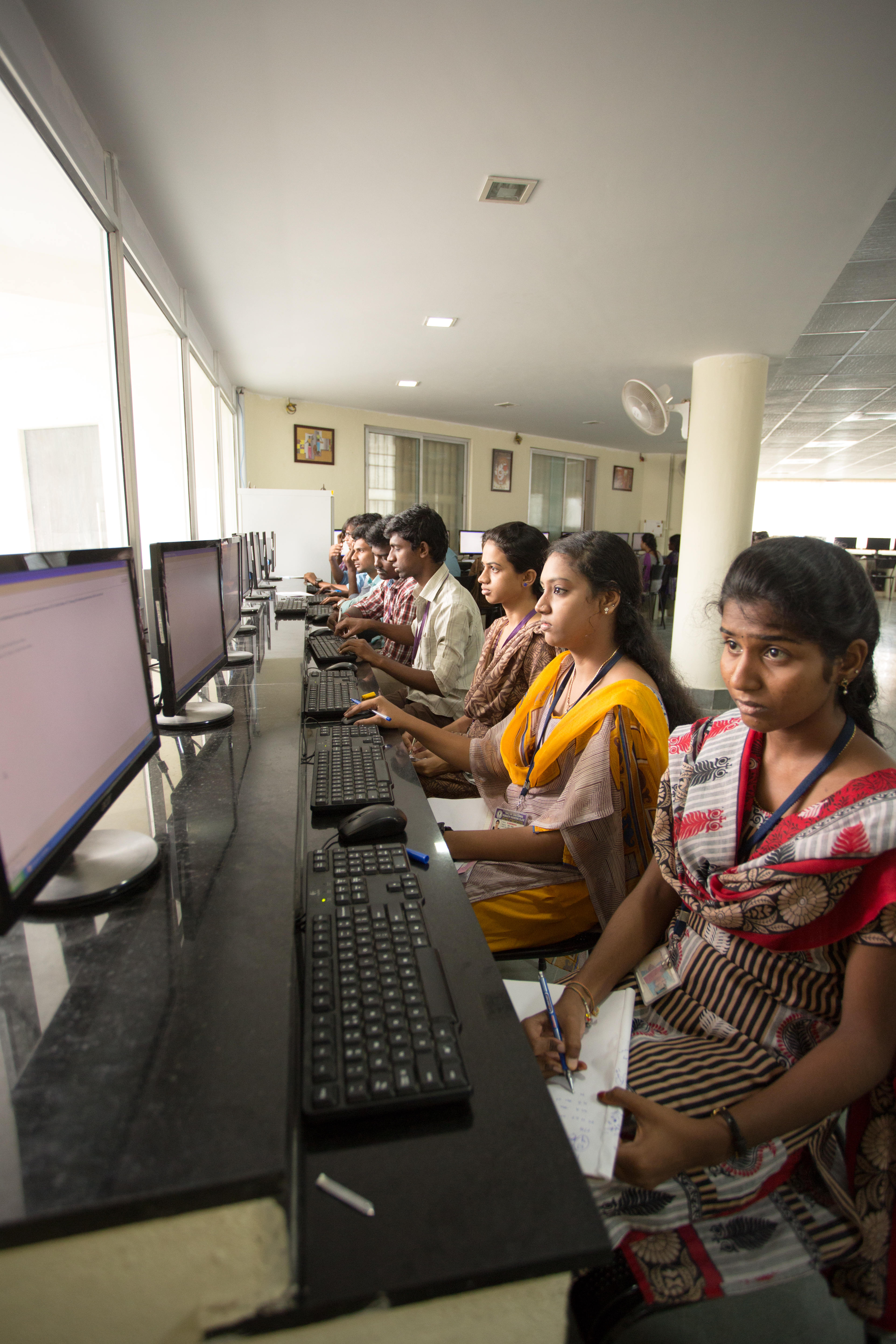
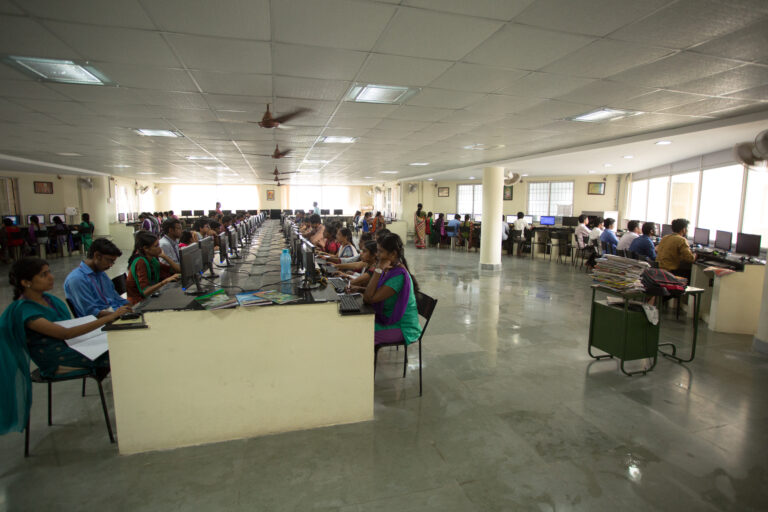
The Department of Computer Science and Engineering (CSE) at Prince Shri Venkateshwara Padmavathy Engineering College, Chennai, is focused on delivering a well-rounded technical education grounded in both theory and hands-on experience. The department features specialized laboratories, including Network, Programming, Multimedia, and Internet labs, supported by a robust computer centre and library facilities.
CSE students benefit from modern infrastructure such as seminar halls, campus-wide IT amenities , and access to well-equipped classrooms and labs. The department is staffed by qualified and experienced faculty, including several Ph.D. holders who guide students in emerging areas like AI, cloud computing, and cybersecurity . A strong emphasis on practical learning through workshops, project-based courses, internships, and industry exposure ensures graduates are career-ready. Placement support is robust, with the CSE department often achieving higher placement rates than other disciplines, and a dedicated placement cell that fosters industry connections, organizes counselling sessions, and facilitates campus and off-campus recruitment
Message from the Head of the Department
computer science and engineering
Welcome to the Department of Computer Science and Engineering at Prince Shri Venkateshwara Padmavathy Engineering College. Our department is dedicated to empowering students with the knowledge, skills, and mindset required to thrive in a rapidly evolving digital world. We focus on building a strong foundation in core computing principles while encouraging innovation, problem-solving, and ethical practices.
With a team of highly qualified faculty, state-of-the-art laboratories, and a curriculum aligned with industry trends, we offer our students a dynamic learning environment that promotes academic excellence and professional growth. Through hands-on projects, industry internships, coding challenges, and research opportunities, we ensure our graduates are well-prepared for successful careers in software development, data science, cybersecurity, artificial intelligence, and more.
At CSE, we believe in nurturing not just competent engineers, but also responsible global citizens who can contribute meaningfully to society through technology. I invite you to explore the exciting opportunities our department offers and be part of a community that strives for innovation, leadership, and excellence.
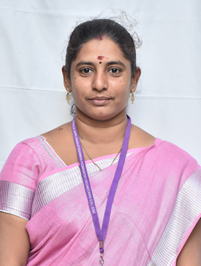
Dr. M. Preetha M.Tech., Ph.D.
Head of the Department
Computer Science and Engineering
Prince Shri Venkateshwara Padmavathy Engineering College
preetha.m.cse@psvpec.in
Our Vision & Mission


VISION
To be a nationally preferred department in quality education to produce globally competent professionals through research and technical skills, inculcating moral values and societal demands.

MISSION
- To Provide facilities and expertise by means of teaching and participatory interactive learning in correlation with industrial needs.
- To enrich the students with needed skills and practical exposure, enabling them to become socially responsible, ethical and competitive professionals.
- To Inculcate the spirit of moral values to make the students successful in profession, higher studies and entrepreneurship.
Our Vision & Mission
MISSION
- To Provide facilities and expertise by means of teaching and participatory
interactive learning in correlation with industrial needs. - To enrich the students with needed skills and practical exposure, enabling them to become socially responsible, ethical and competitive professionals.
- To Inculcate the spirit of moral values to make the students successful in profession, higher studies and entrepreneurship.


VISION
To be a nationally preferred department in
quality education to produce globally
competent professionals through research
and technical skills, inculcating moral values
and societal demands.
PROGRAMME OUTCOMES (POs)
-
Engineering knowledge: Apply the knowledge of mathematics, science, engineering fundamentals, and an engineering specialization to the solution of complex engineering problems.
-
Problem analysis: Identify, formulate, review research literature, and analyze complex engineering problems reaching substantiated conclusions using first principles of mathematics, natural sciences, and engineering sciences.
-
Design/development o solutions: Design solutions for complex engineering problems and design system components or processes that meet the specified needs with appropriate consideration for the public health and safety, and the cultural, societal, and environmental considerations.
-
Conduct investigations of complex problems: Use research-based knowledge and research methods including design of experiments, analysis and interpretation of data, and synthesis of the information to provide valid conclusions.
-
Modern tool usage: Create, select, and apply appropriate techniques, resources, and modern engineering and IT tools including prediction and modeling to complex engineering activities with an understanding of the limitations.
-
The engineer and society: Apply reasoning informed by the contextual knowledge to assess societal, health, safety, legal and cultural issues and the consequent responsibilities relevant to the professional engineering practice.
-
Environment and sustainability: Understand the impact of the professional Engineering solutions in societal and environmental contexts, and demonstrate the Knowledge of, and need for sustainable development.
-
Apply ethical principles and commit to professional ethics and responsibilities and norms of the engineering practice.
-
lndividual and team work: Function effectively as an individual, and as a member or leader in diverse teams, and in multidisciplinary settings.
-
Communication: Communicate effectively on complex engineering activities with the engineering community and with society at large, such as, being able to comprehend and write effective reports and design documentation, make effective presentations, and give and receive clear instructions.
-
Project management and finance: Demonstrate knowledge and understanding of the engineering and management principles and apply these to one's own work, as a member and leader in a team, to manage projects and in multidisciplinary environments.
-
Life-long learning: Recognize the need for, and have the preparation and ability to engage in independent and life-long learning in the broadest context of technological change.
PROGRAMME EDUCATIONAL OBJECTIVES (PEOs)
PEO 1: Acquire logical and analytical skills with a solid foundation in core areas of computer Science & Engineering.
PEO 2: Enduringly engage in learning new technologies and actively contribute to the academic, Research & Development and Society.
PEO 3: Enrich the passion for higher studies, research and a successful career in Software industries or become an entrepreneurial endeavour.
Program Specific Outcomes(PSOs)
PSO 1: Ability to apply advanced programming techniques to solve contemporary issues using Internet of Things,data science and analytics, Artificial Intelligence and Machine Learning.
PSO 2: Ability to Employ modern tools for analyzing data and networks in building their career as software professional, researcher and an entrepreneur with a zeal for higher studies.
Achievements
Significant Achievements of the Department:
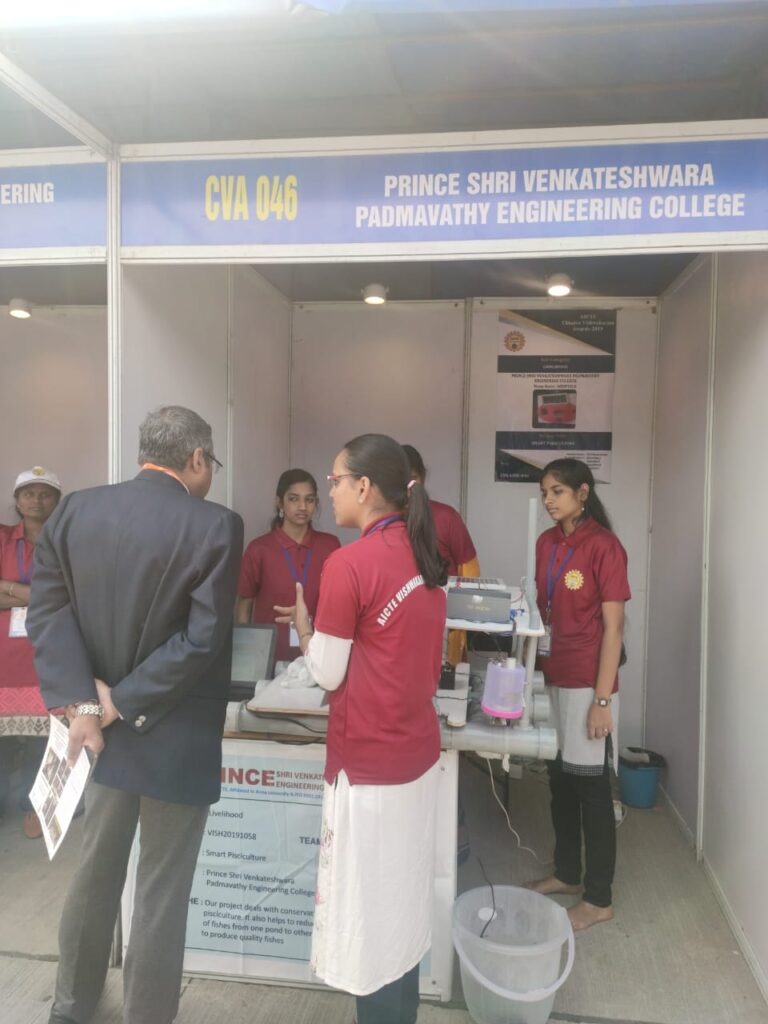
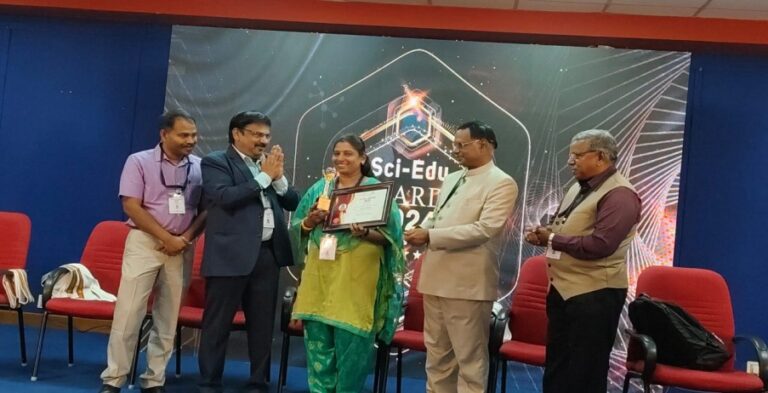
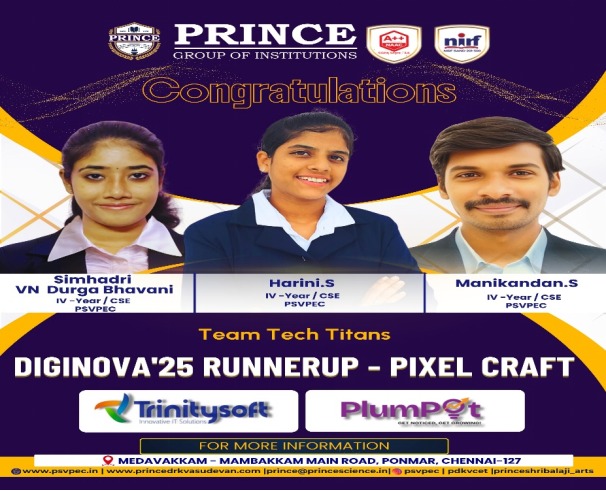
- The Department of Computer Science and Engineering takes pride in its vibrant and dynamic academic environment, fostering excellence across academics, research, and co-curricular pursuits. Our students have actively showcased their talents by participating in national-level coding competitions and intercollegiate events, earning accolades that reflect their technical proficiency and competitive spirit.
- Beyond academics, our students have consistently demonstrated their versatility through commendable performances in sports and extracurricular activities, making their mark in various arenas. The department has also maintained a strong academic record, with students performing consistently well in university examinations.
- Our graduates continue to excel beyond the classroom, with many securing opportunities in reputed organizations or opting for higher studies, illustrating the department's focus on holistic development and career readiness. The faculty members are deeply engaged in research and innovation, contributing to the field through publications and scholarly activities. With a growing number of doctoral degree holders and researchers, the department remains committed to advancing knowledge and nurturing future-ready professionals.

self learning
E - CONTENT
LECTURE VIDEOS
| S.No | Subject | Topic | Staff | Link | REVIEW |
|---|---|---|---|---|---|
|
1. |
OBJECT ORIENTED PROGRAMMING |
OOPS FEATURES |
B. UMAMAHESWARI |
||
|
OBJECT ORIENTED PROGRAMMING |
INHERITANCE |
B. UMAMAHESWARI |
|||
|
3.
|
JAVA PROGRAMMING |
CONSTRUCTORS |
B. UMAMAHESWARI |
||
|
4. |
CRYPTOGRAPHY NETWORK TO SECURITY |
STAGNOGRAPHY |
B. UMAMAHESWARI |
||
|
5. |
OPERATING SYSTEM |
CPU SCHEDULING |
B. UMAMAHESWARI |
||
|
6.
|
DEVOPS |
MAVEN INSTALLATION |
R BAVITHRA |
||
|
7.
|
PROBLEM SOLVING USING PYTHON |
CONTROL FLOW |
POORNIMADEVI R |
||
|
8. |
PROGRAMMING IN C |
OPERATORS IN C |
S SATHYA |
||
|
9. |
COMPUTER VISION |
IMAGE SMOOTHENING |
AANADHANACHIAR K |
||
|
10. |
COMPUTER NETWORKS |
OSI LAYER |
G RAJALAKSHMI |
||
|
11. |
PROGRAMMING IN C |
SIMPLE PROGRAMS |
G RAJALAKSHMI |
||
|
12. |
PROGRAMMING IN C |
INTODUCTION TO C |
M SINDHU |
||
|
13. |
DATA STRUCTURES |
TYPES OF DS |
M SINDHU |
||
|
14.
|
HUMAN VALUES AND ETHICS |
INTRODUCTION AND TYPES OF ETHICS |
M SINDHU |
||
|
15. |
ARTIFICIAL INTELLIGENCE AND MACHINE LEARNING |
BFS |
S.SOWMIYA |
||
|
16. |
AUGMENTED REALITY/VIRTUAL REALITY |
COIN COLLECTION |
S.SOWMIYA |
||
|
17.
|
PROGRAMMING IN C |
ARRAY
|
SENTHURYA
|
||
|
18. |
COMPUTER NETWORKS
|
UNICAST ROUTING
|
SENTHURYA
|
||
|
19. |
CNS
|
Block Cipher
|
Ms.Preetha
|
||
|
20. |
DATA BASE MANAGEMENT SYSTEM
|
3 NORMAL FORM
|
Dr.R.DHANALAKSHMI
|
||
|
21. |
OBJECT ORIENTED SOFTWARE ENGINEERING
|
SOFTWARE DEVELOPMENT CYCLE
|
Dr HARIHARASUDHAN
|
||
|
22. |
AGILE MODEL
|
AGILE MODEL
|
Dr HARIHARASUDHAN
|
Department of computer science engineering
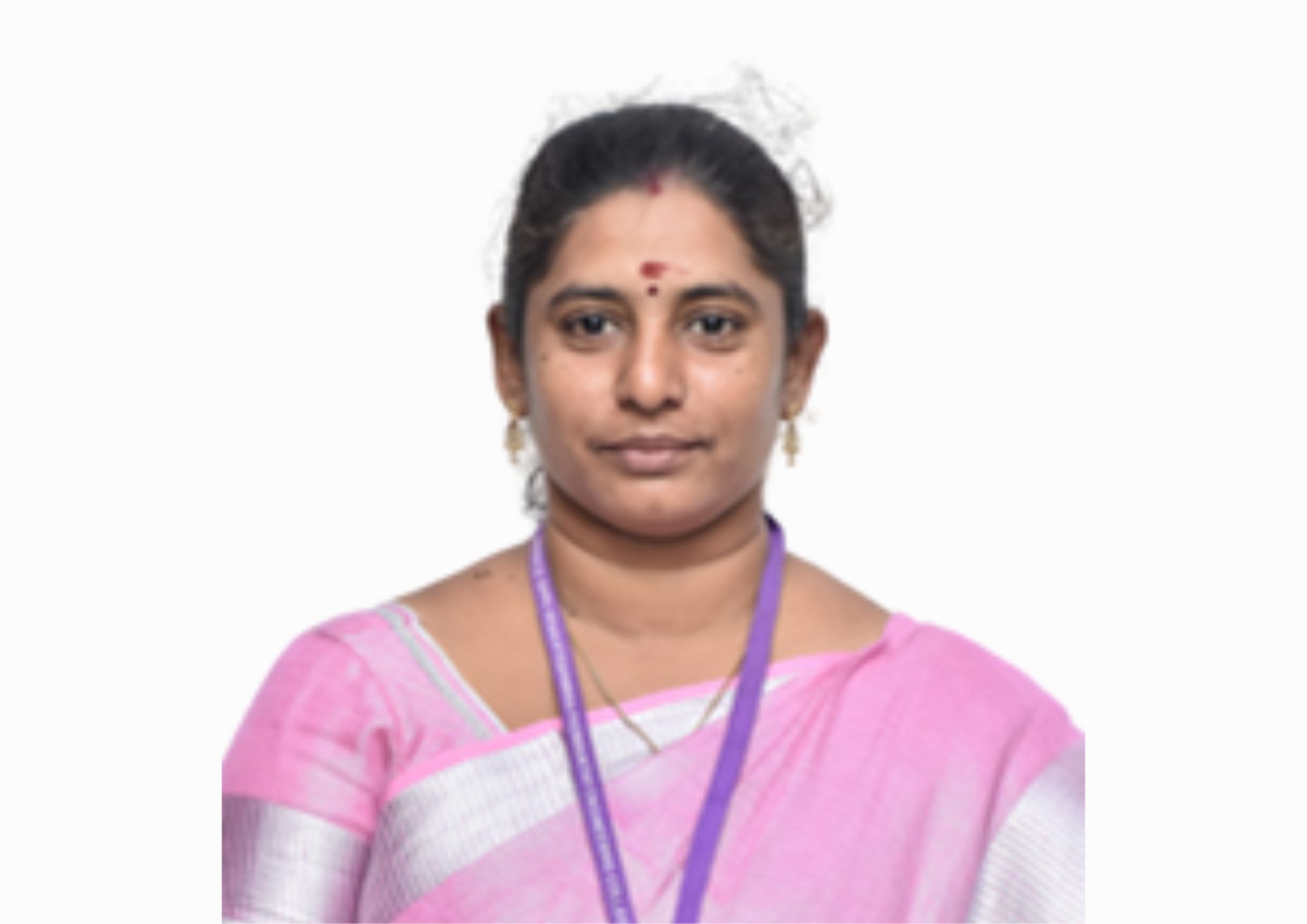
Dr.M.Preetha M.Tech., Ph.D.
PROFESSOR & HEAD
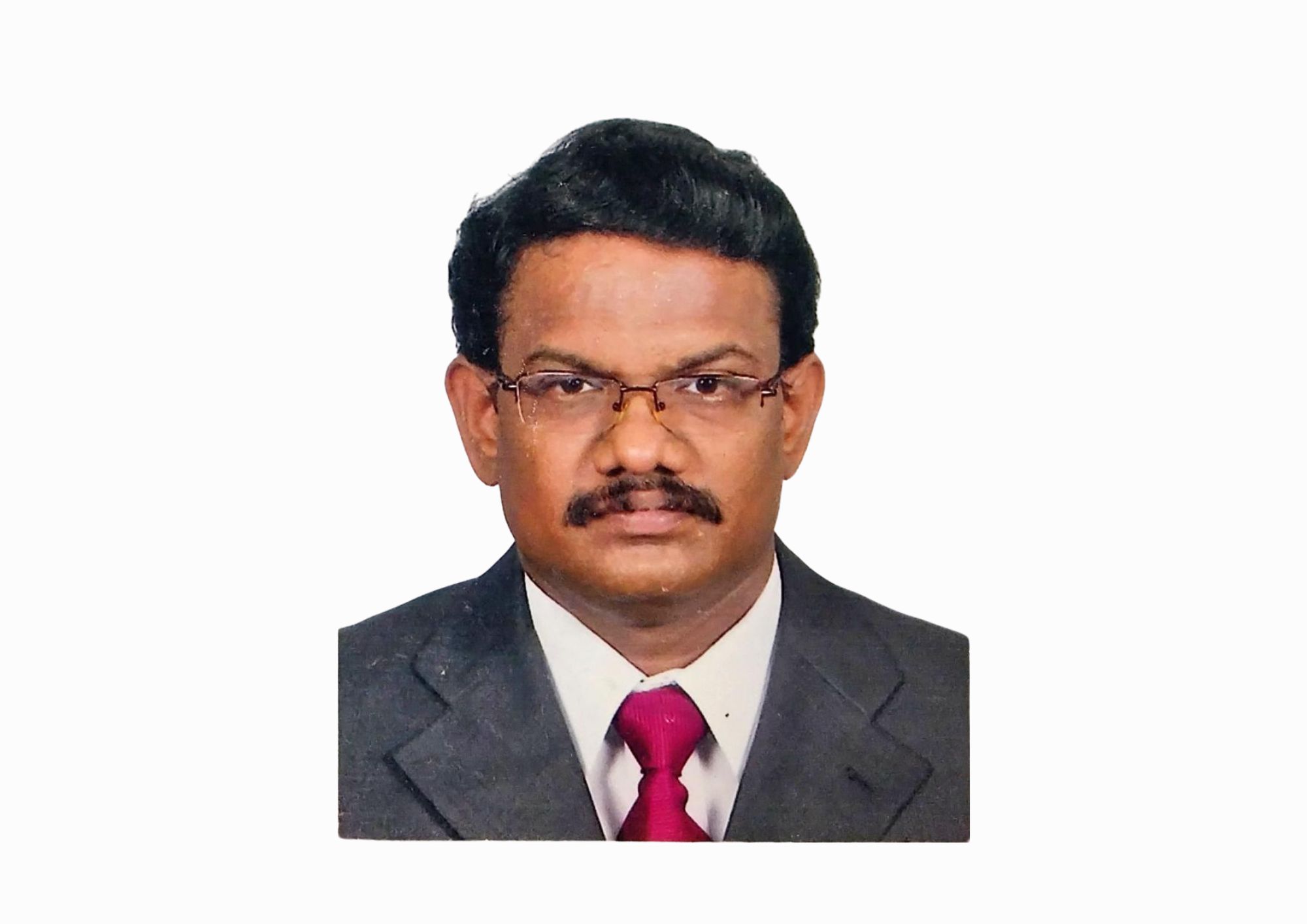
Dr.B.Raghu M.Tech., Ph.D.
PROFESSOR
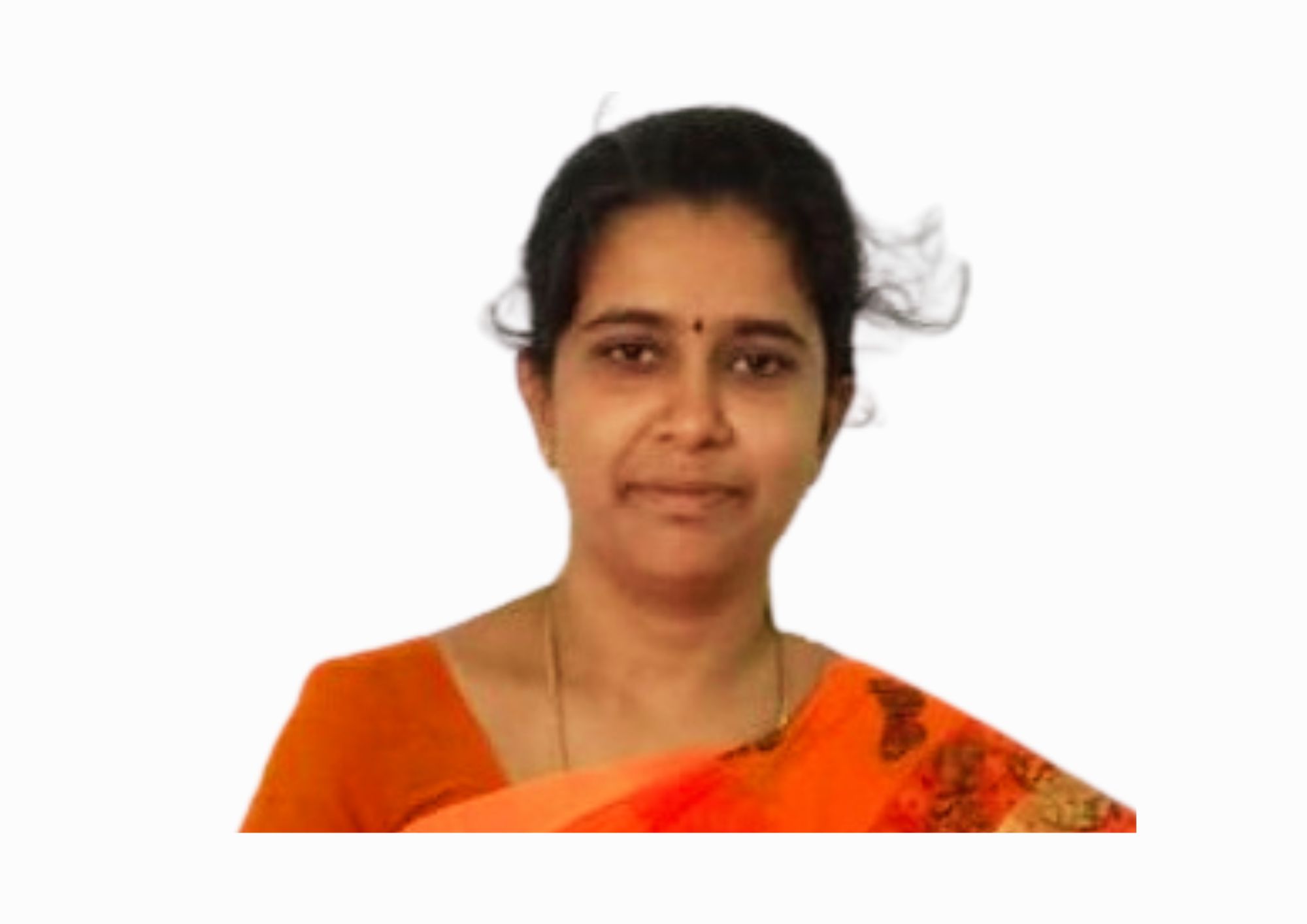
Dr.R.Dhanalakshmi M.E., Ph.D.
Associate Professor
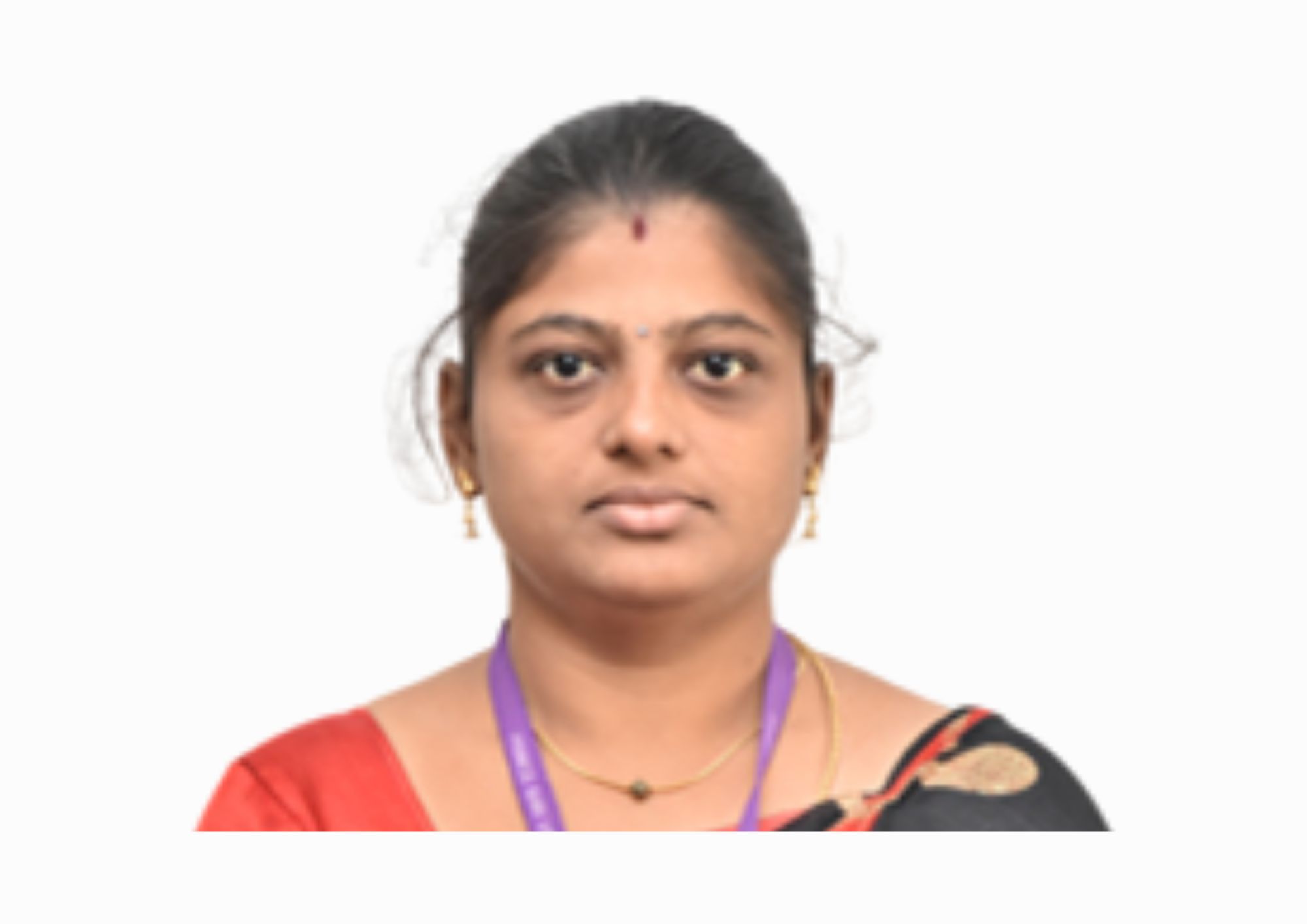
Ms.B.Uma Maheswari M.E.,
Assistant Professor
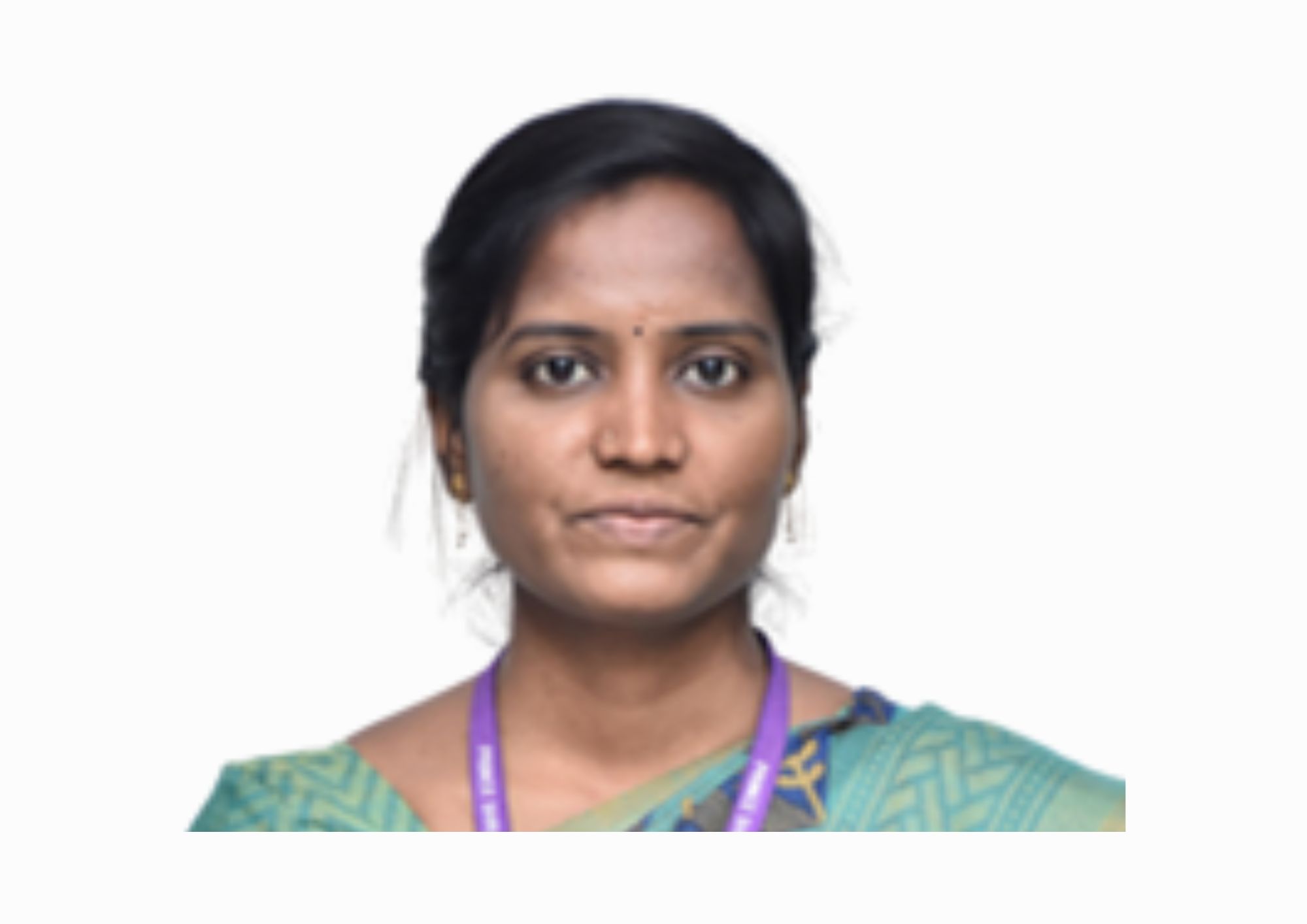
Ms.S.Sathya M.E.,
Assistant Professor
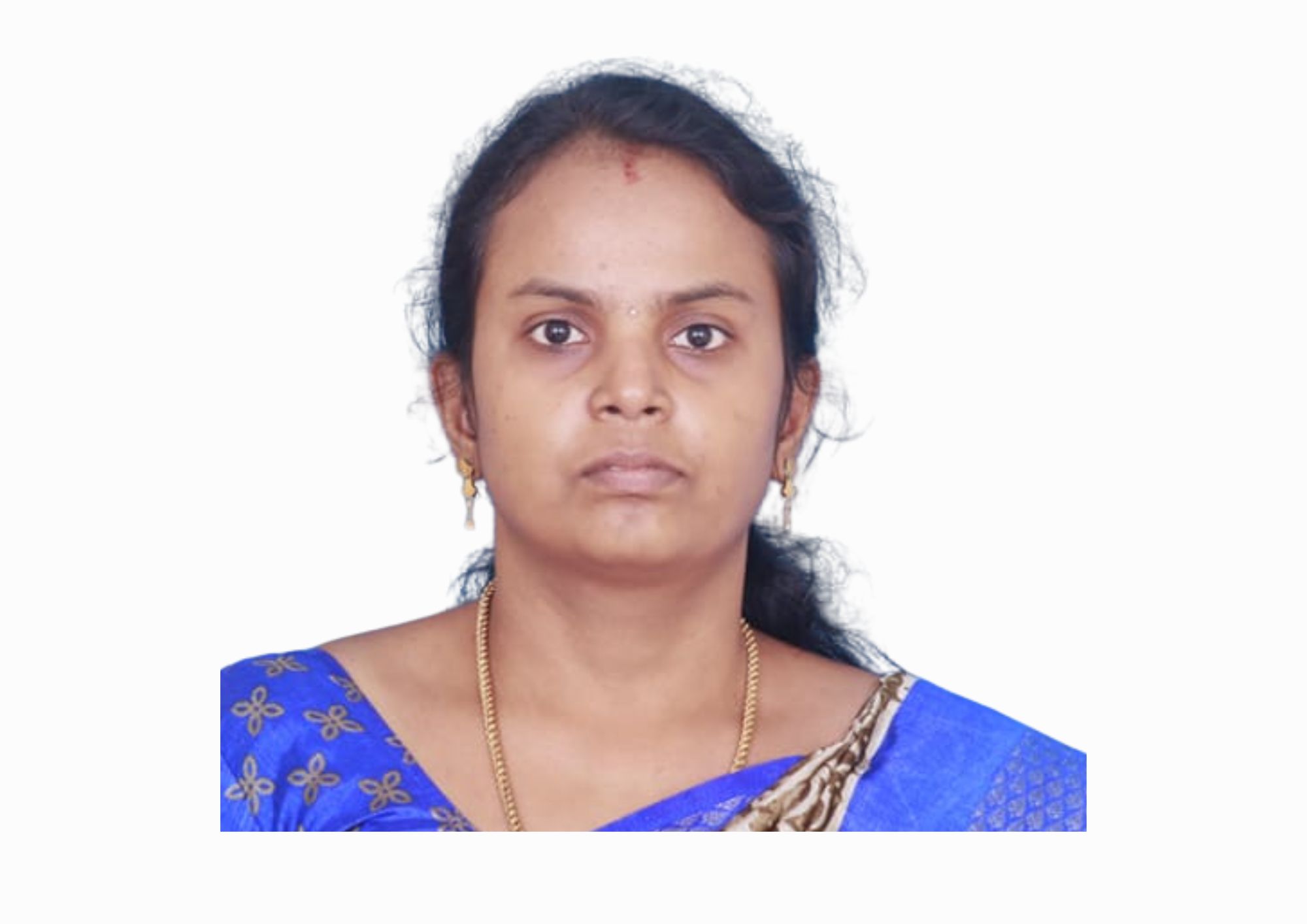
Ms.S.Sowmiya M.E.,
Assistant Professor
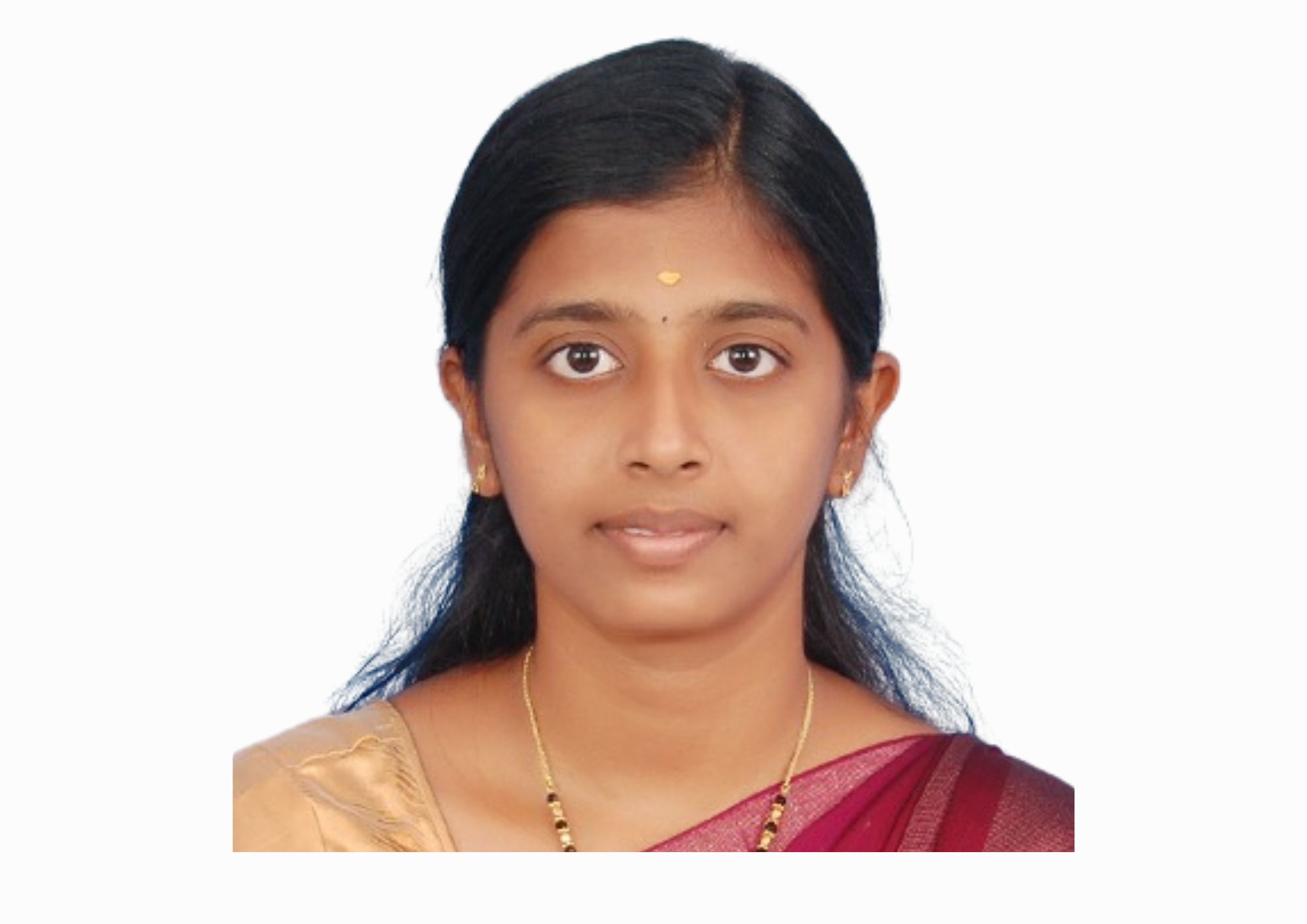
Ms.S.Senthurya M.E.,
Assistant Professor
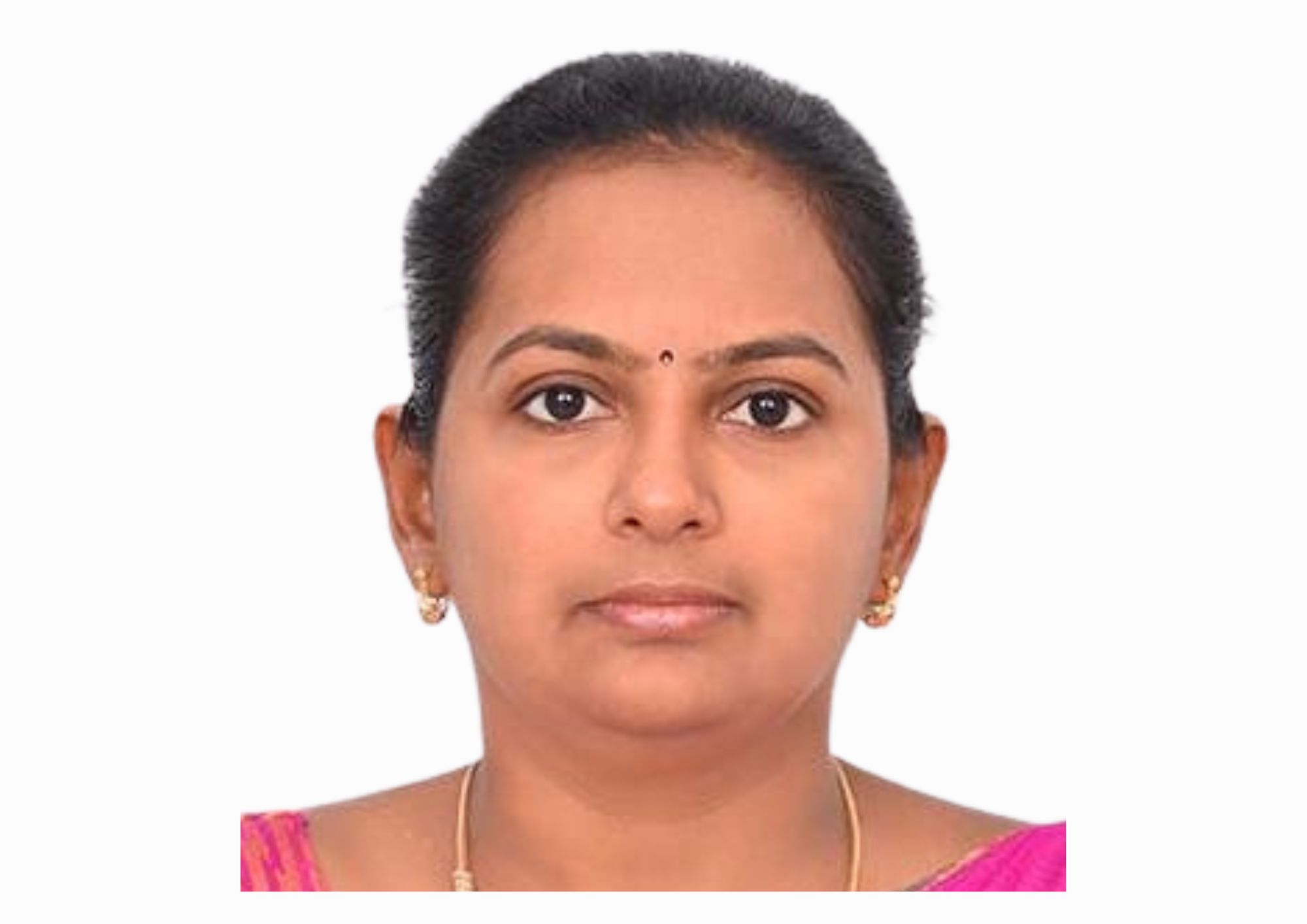
Ms.M.Sindhu M.E.,
Assistant Professor
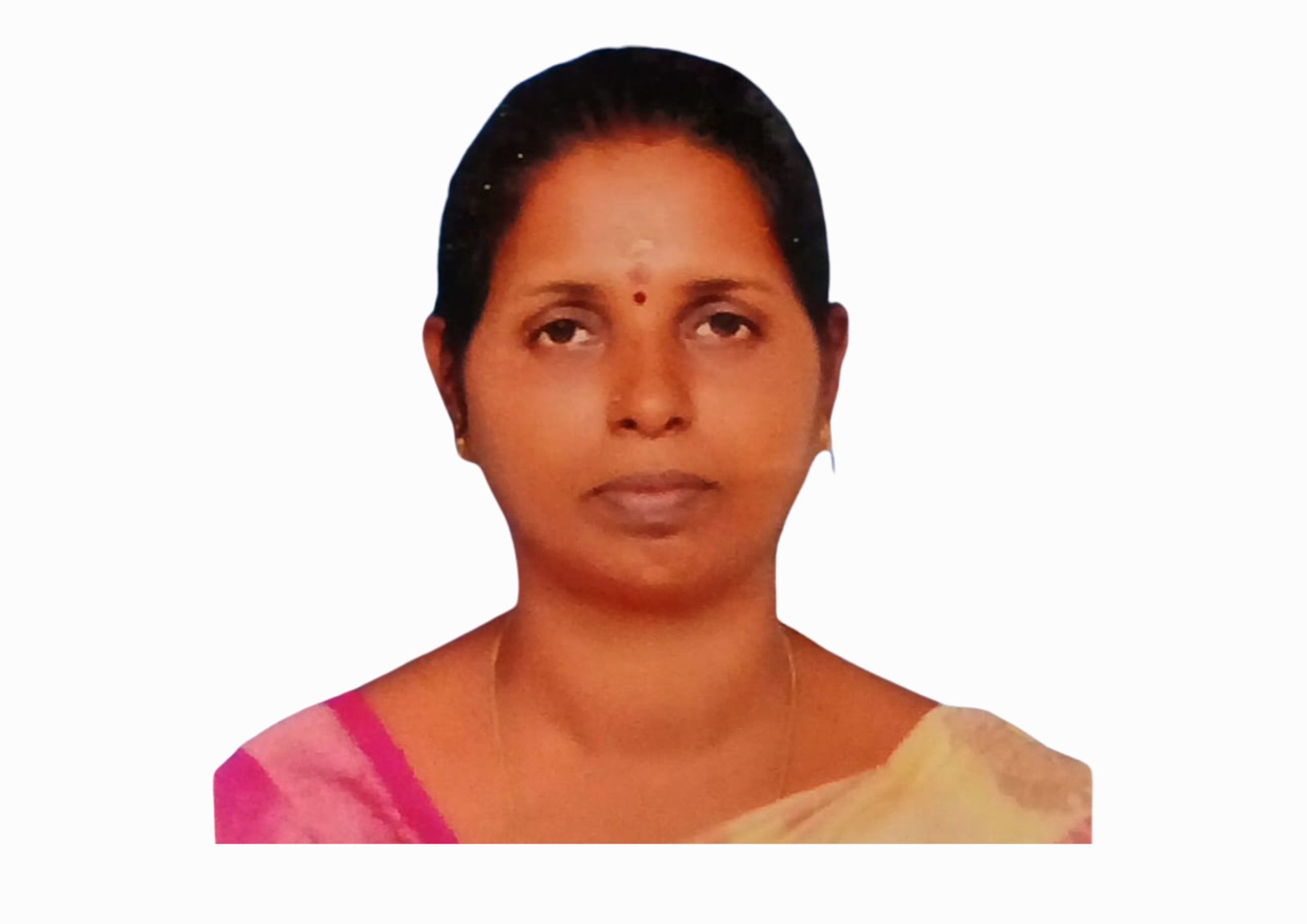
Ms.G.Rajalakshmi M.Tech.,
Assistant Professor
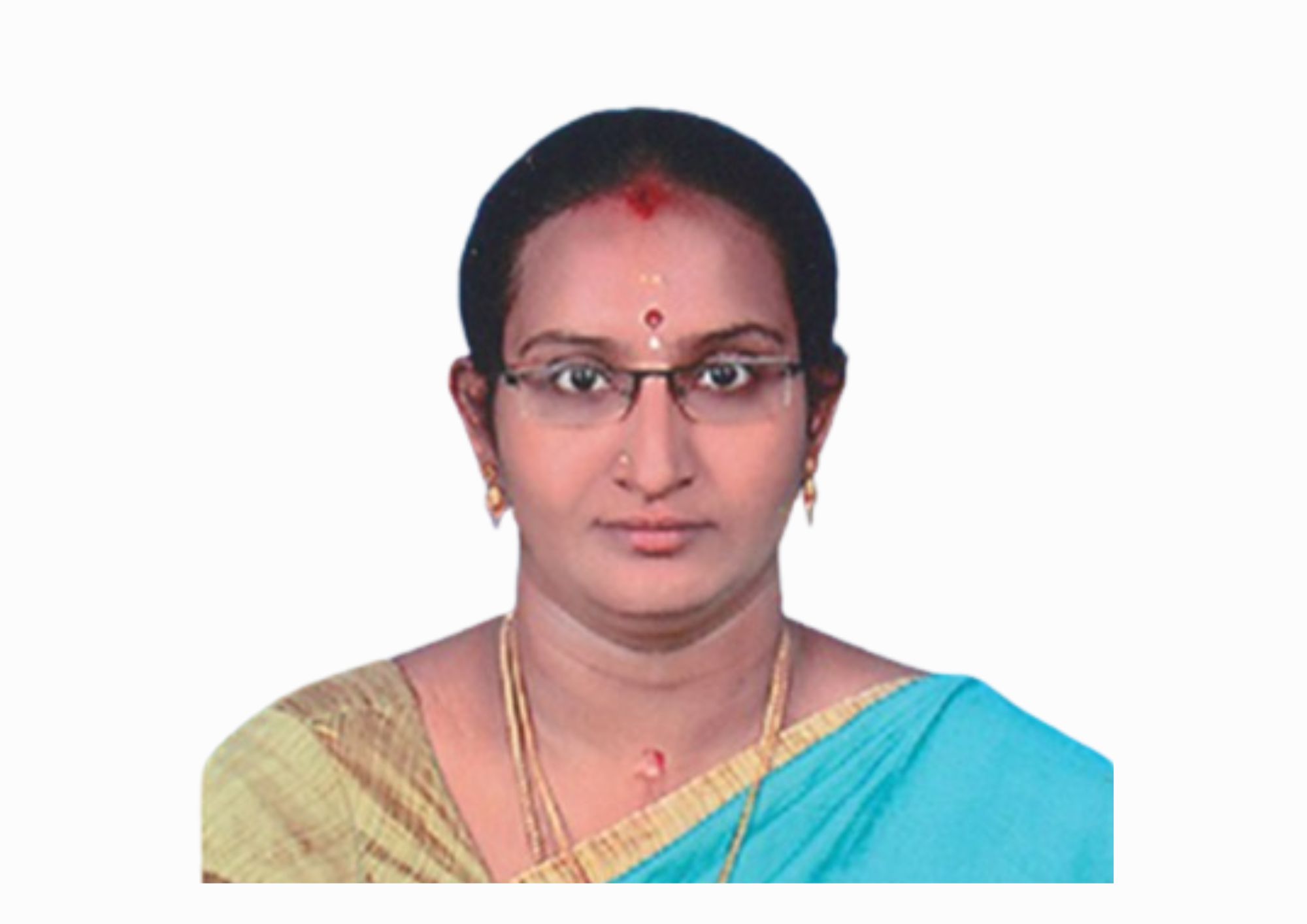
Ms.K.Aanantha Natchiyar M.E.,
Assistant Professor
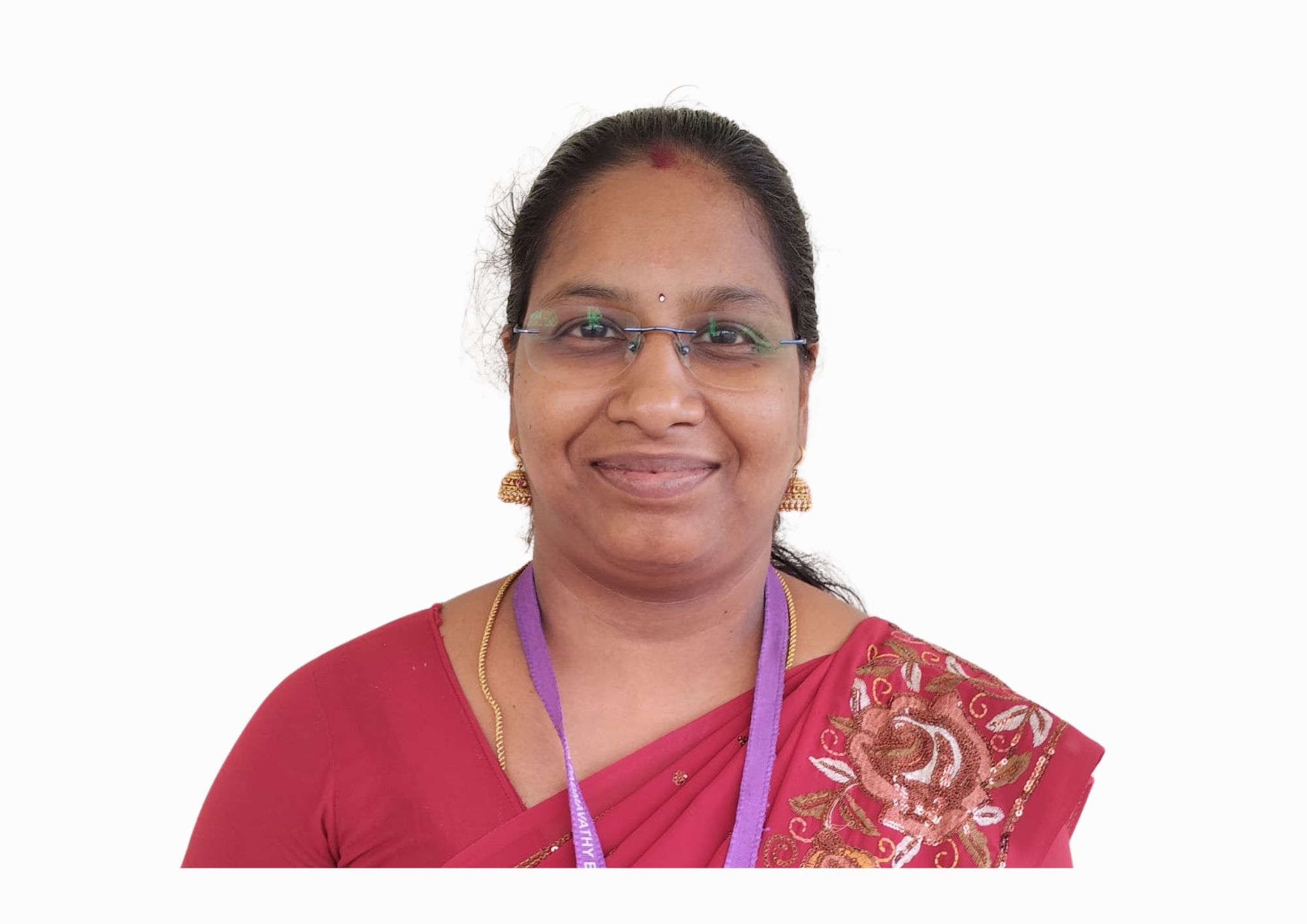
Ms.R.Bavithra M.E.,
Assistant Professor
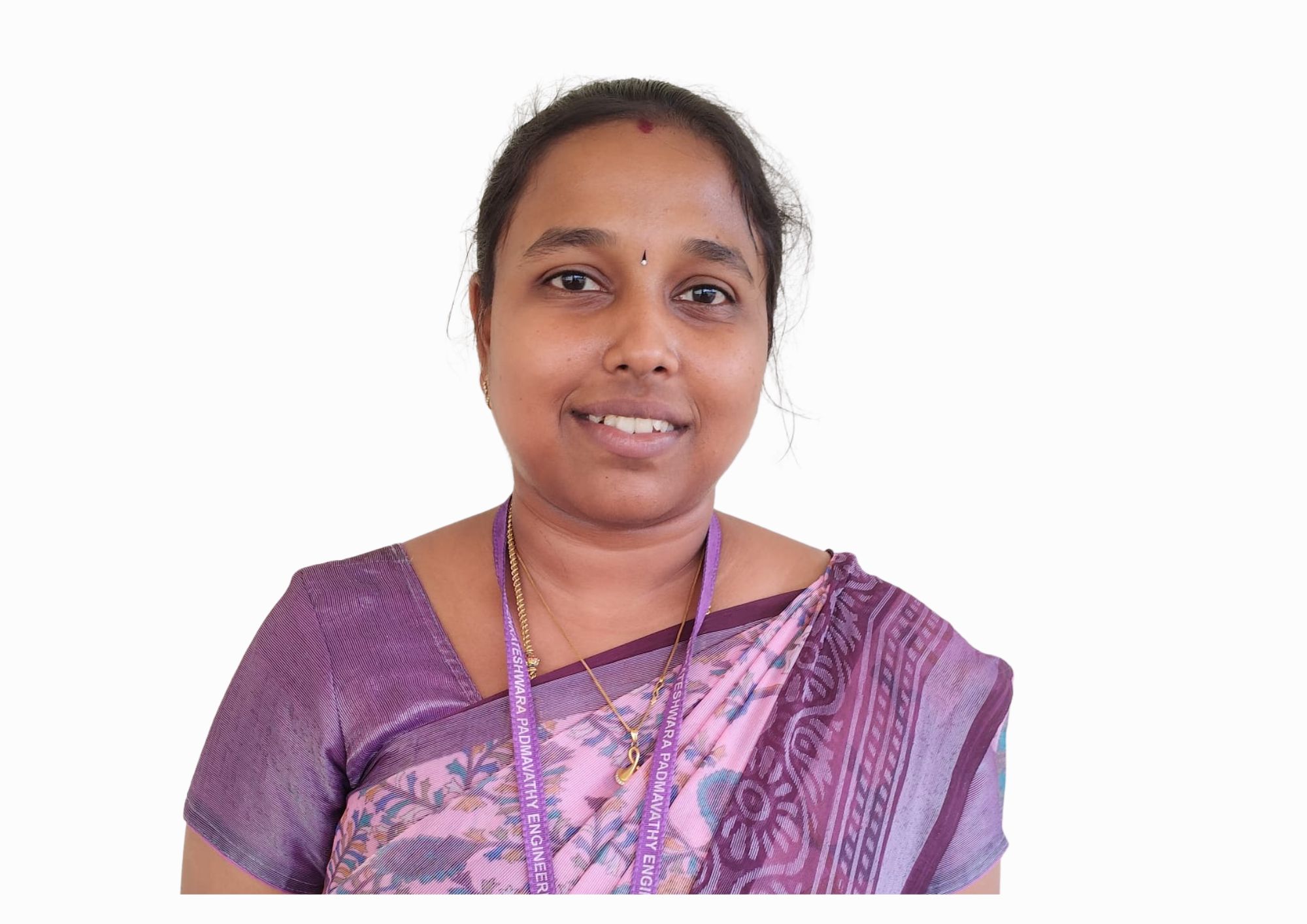
Ms.R.Poornimadevi M.E.,
Assistant Professor
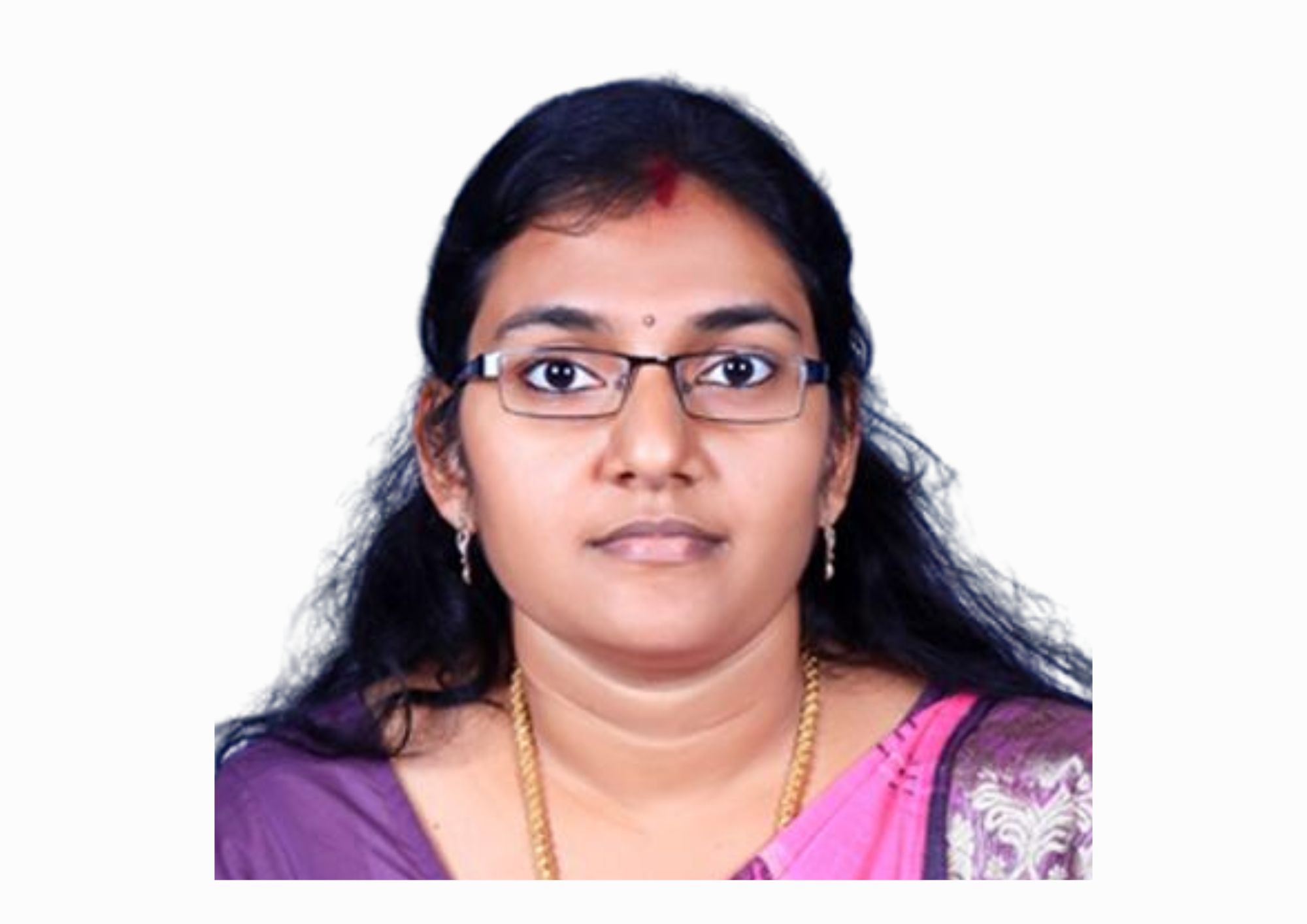
Ms.R.Subaja M.Tech.,
Assistant Professor
gallery
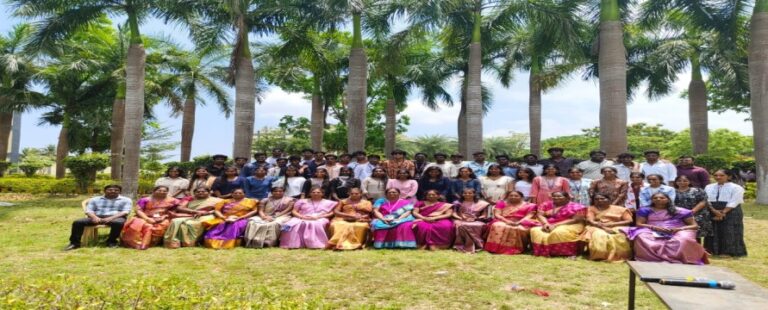
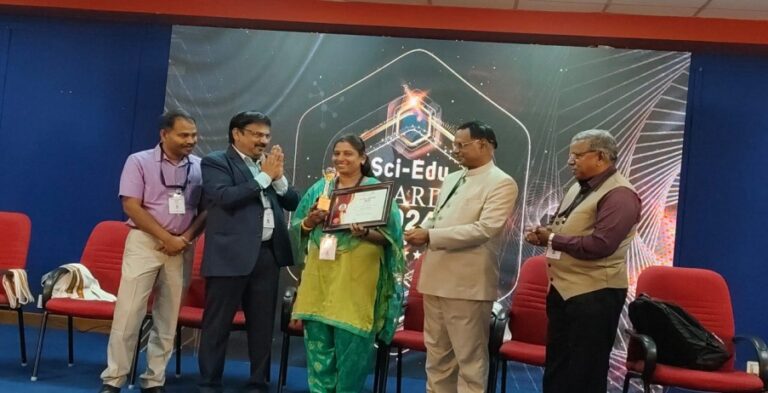
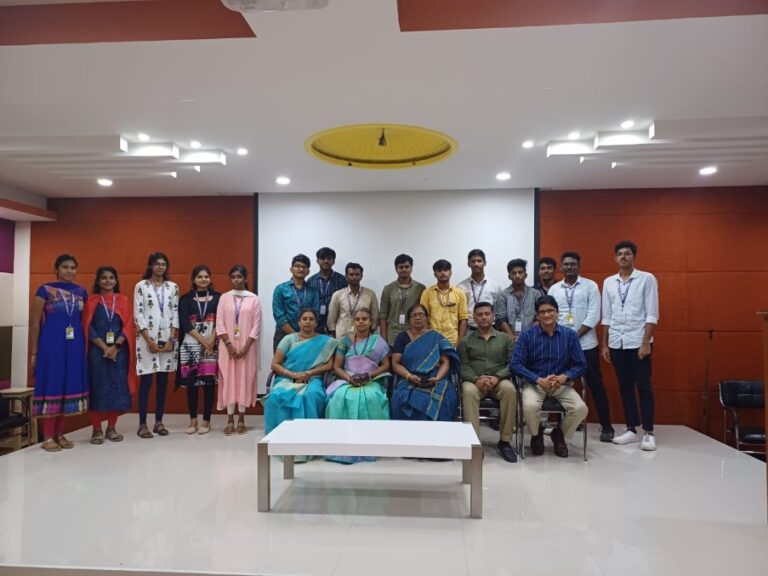
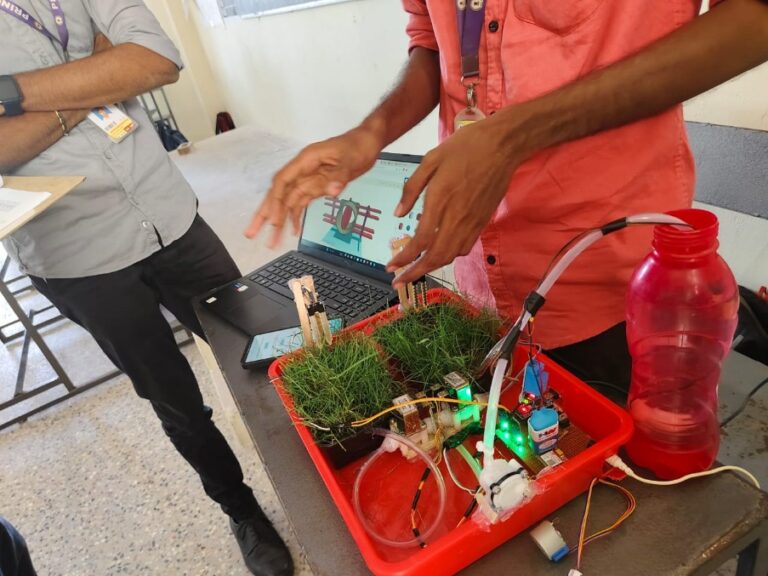
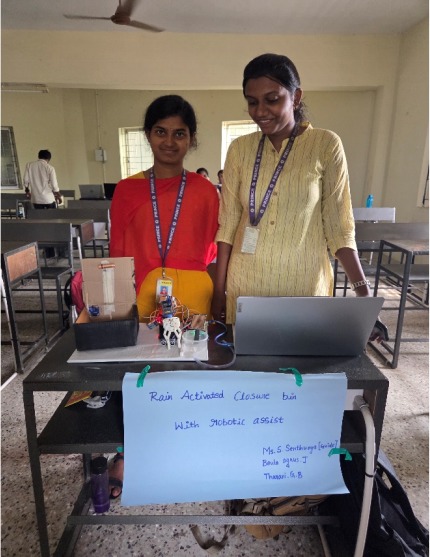
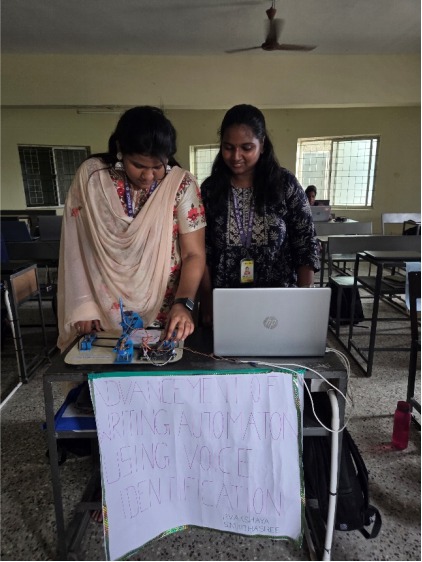
Step into the vibrant world of the Department of Computer Science and Engineering through our gallery! This space showcases the creativity, innovation, and achievements of our students and faculty through a wide range of academic, technical, and extracurricular activities.
What You’ll See:
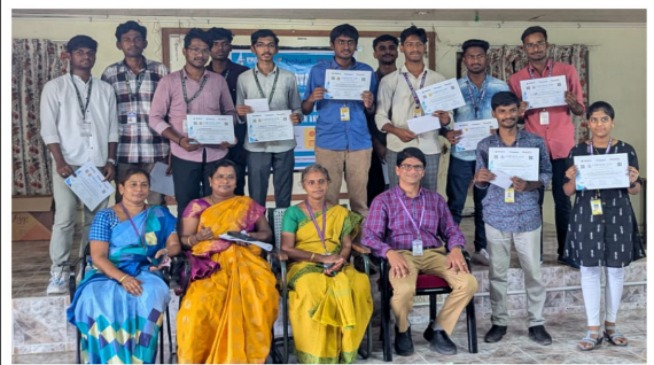
- Hackathons & Coding Contests – Glimpses from high-energy competitions where students demonstrate their programming prowess.
- Workshops & Seminars – Expert-led sessions on emerging technologies such as AI, ML, Blockchain, and Cybersecurity.
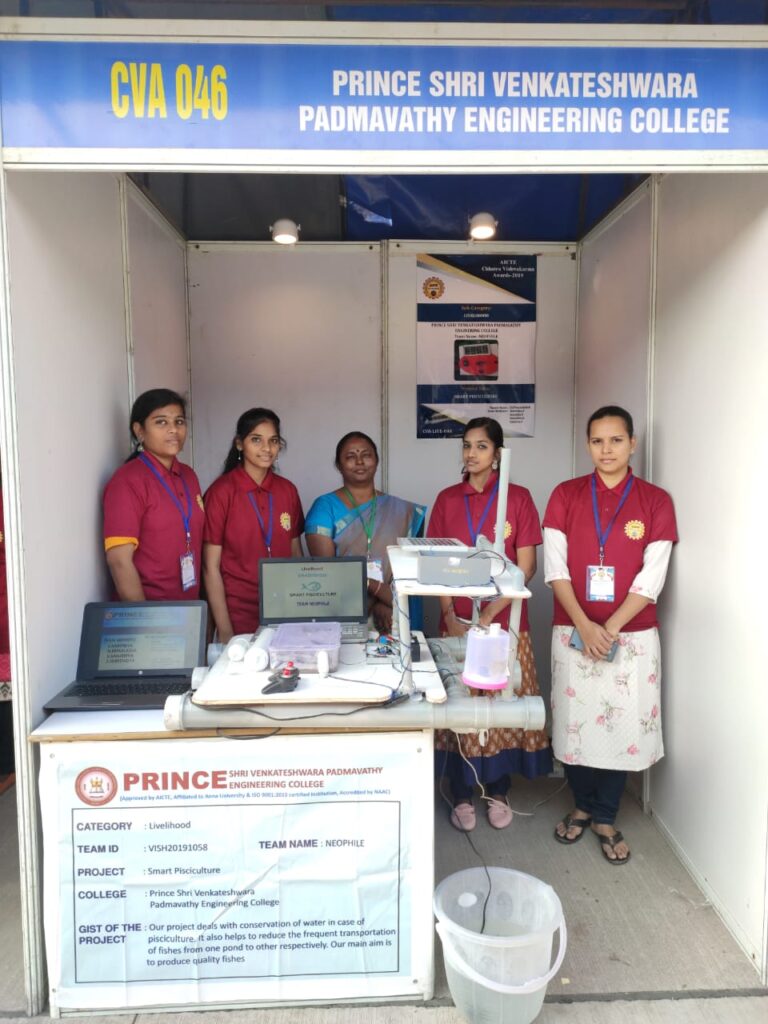
- Project Exhibitions – Snapshots of innovative student projects, prototypes, and final-year demos.
- Guest Lectures & Industry Interactions – Visuals from talks by professionals from top tech companies and research labs.
- Tech Fests & Symposiums – Energetic moments from our department’s flagship technical events and fests.
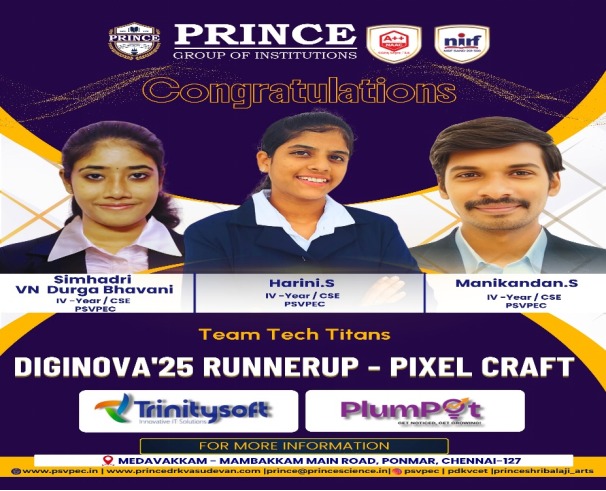
- Achievements & Accolades – Celebrating our students’ success in intercollegiate, national, and international events.
- Alumni Interactions – Memorable moments from alumni visits and career guidance sessions.
- Fun & Cultural Events – A look into the colorful side of our department—celebrations, student clubs, and team bonding.
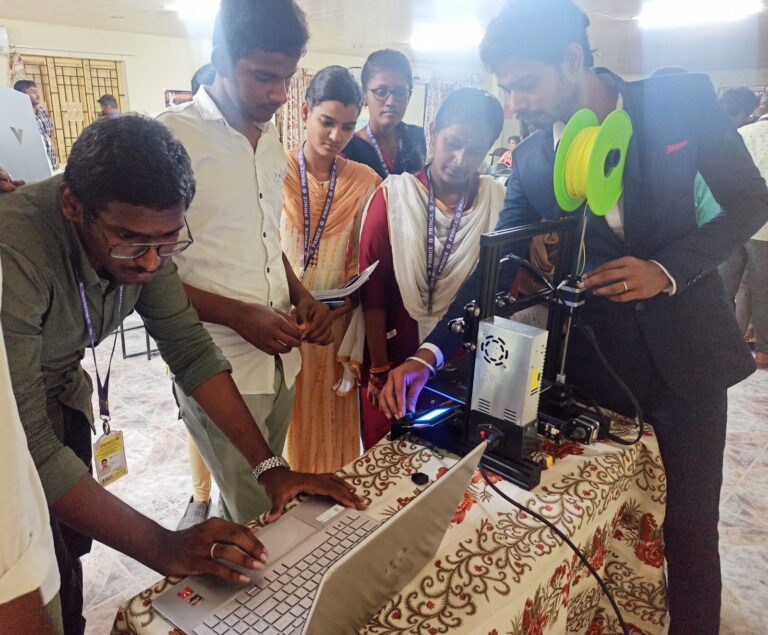

Guest Lectures & Workshops
Department of Computer Science and Engineering
Bridging Academia with Industry
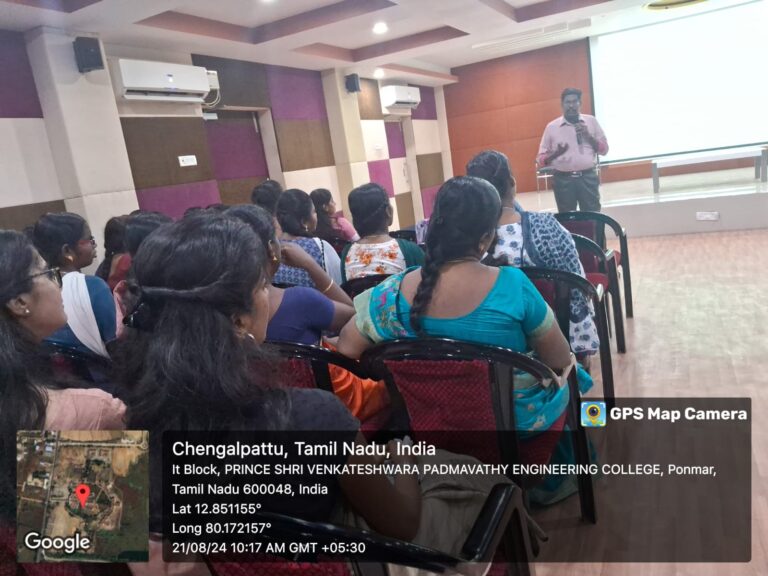
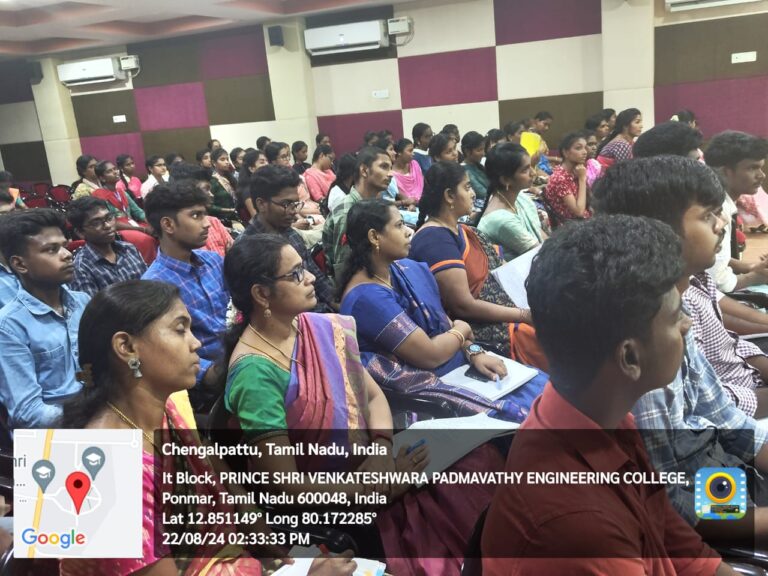
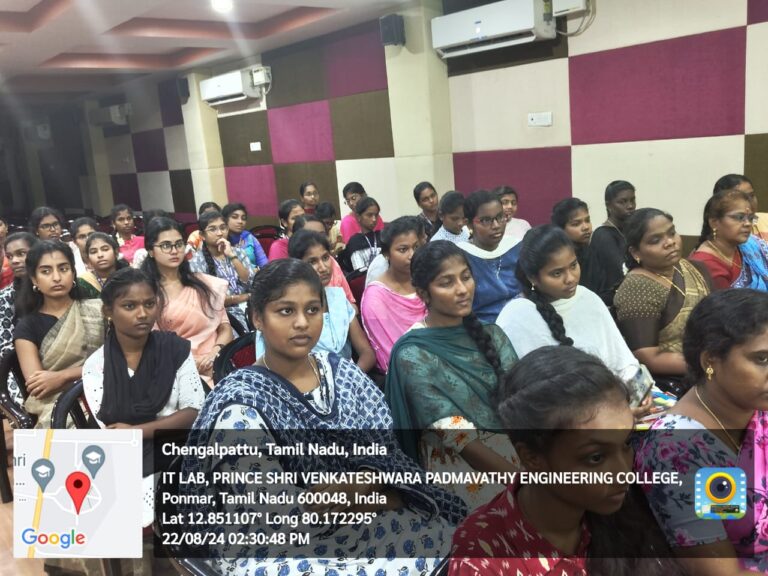
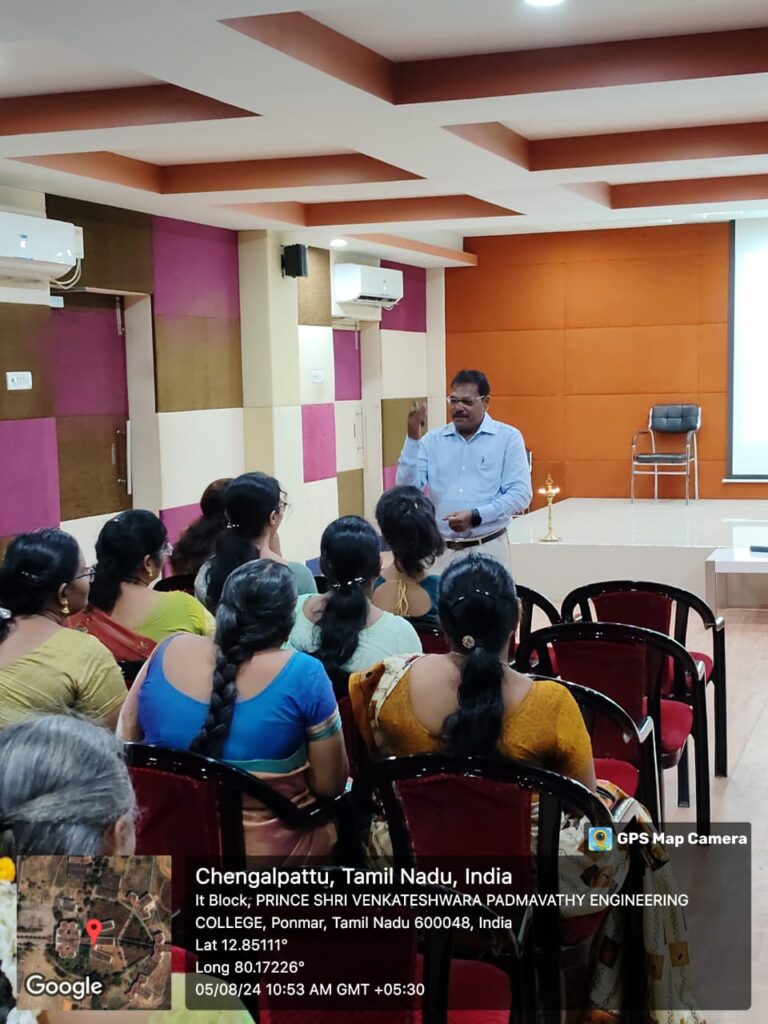
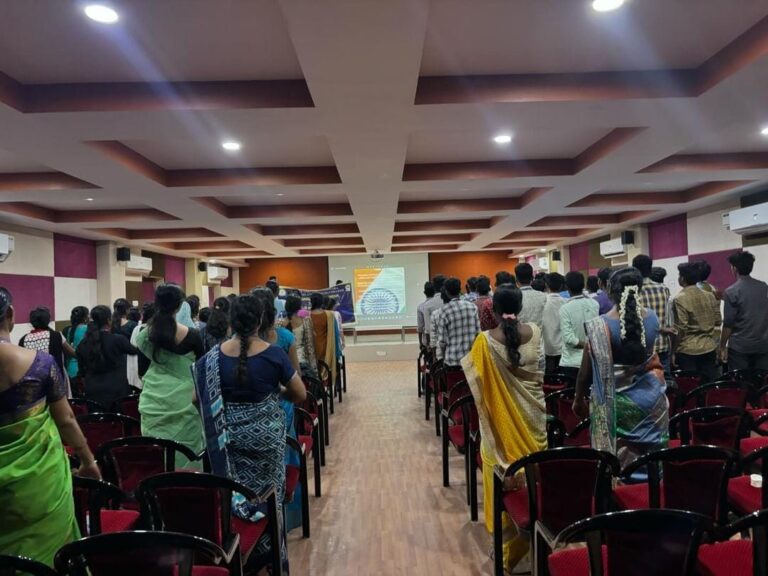
The Department of Computer Science and Engineering actively organizes guest lectures and hands-on workshops to enrich students’ technical knowledge and expose them to real-world industry trends and emerging technologies.
These sessions are designed to supplement classroom learning with insights from leading academicians, industry professionals, researchers, and entrepreneurs, enabling our students to stay ahead in the ever-evolving tech landscape.
Hackathons & Symposiums
Igniting Innovation | Celebrating Tech Talent
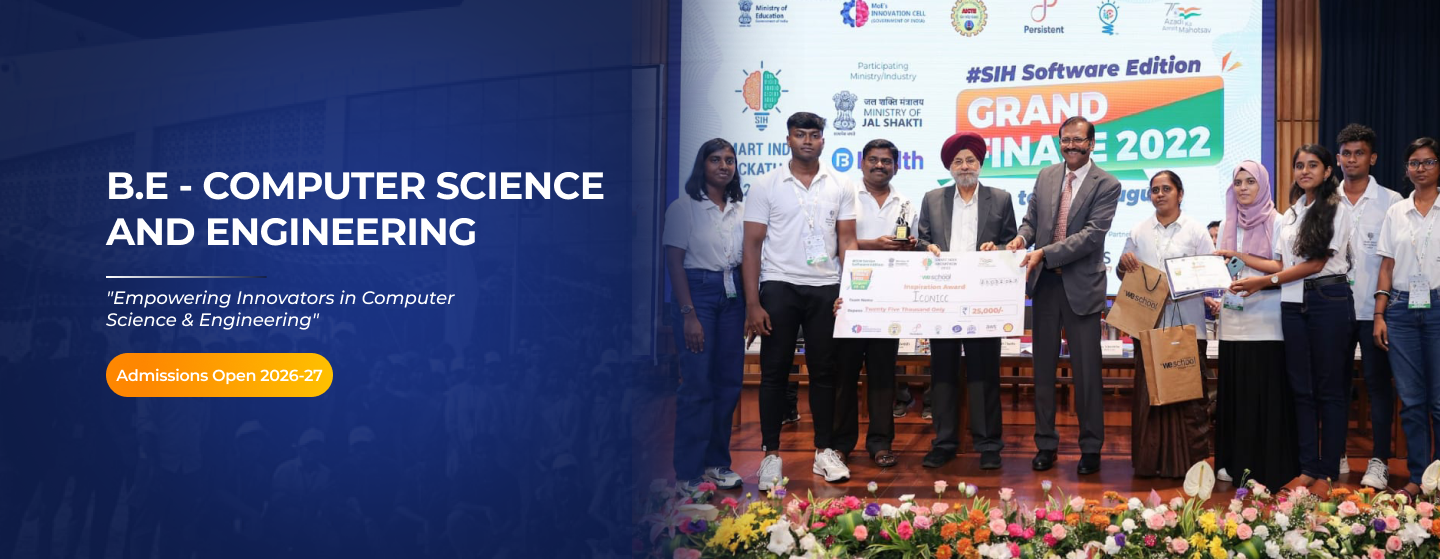
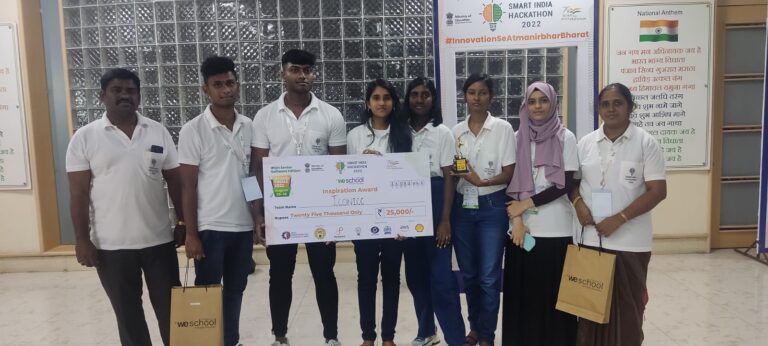
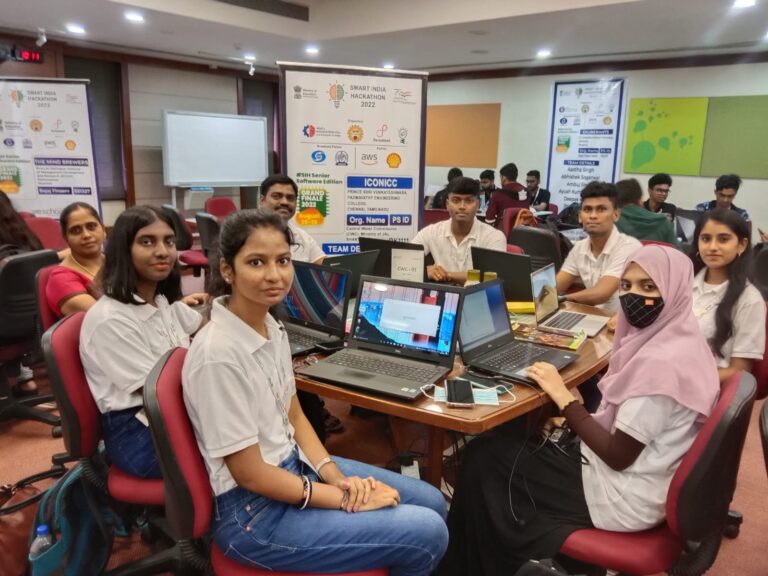
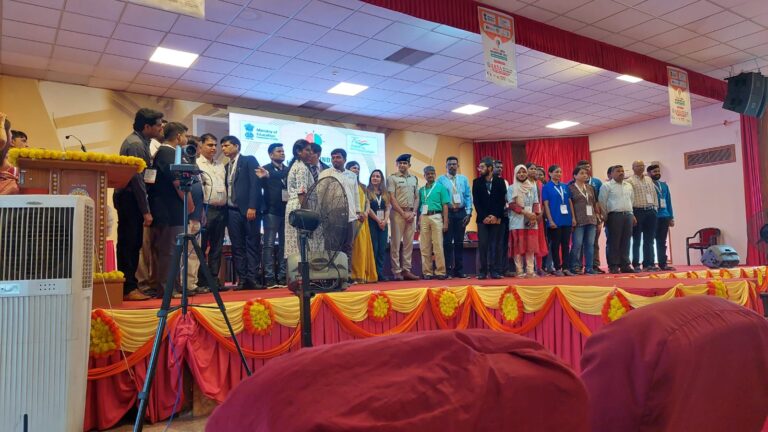
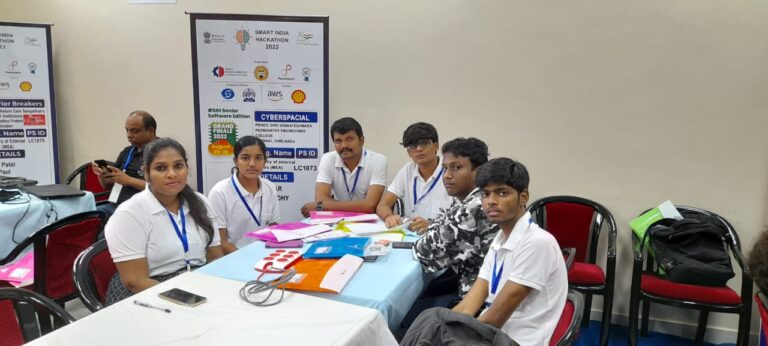
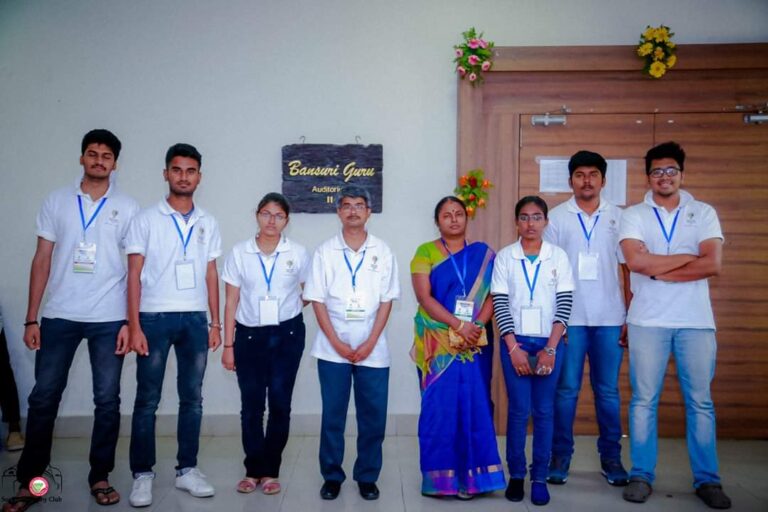
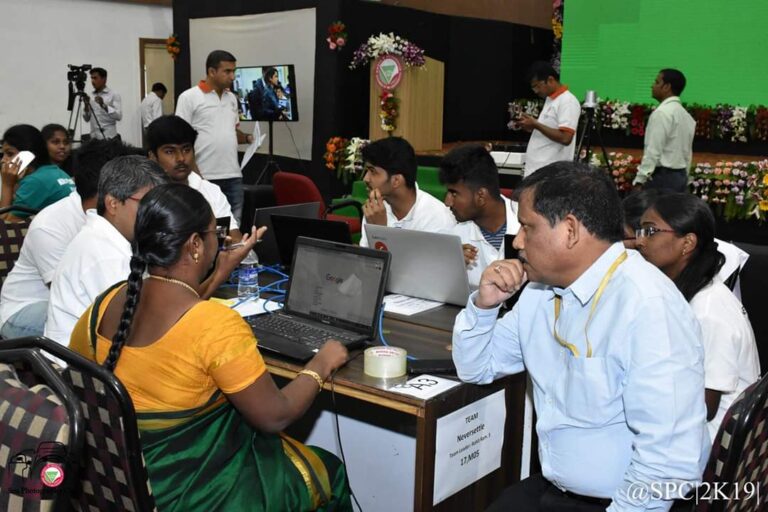
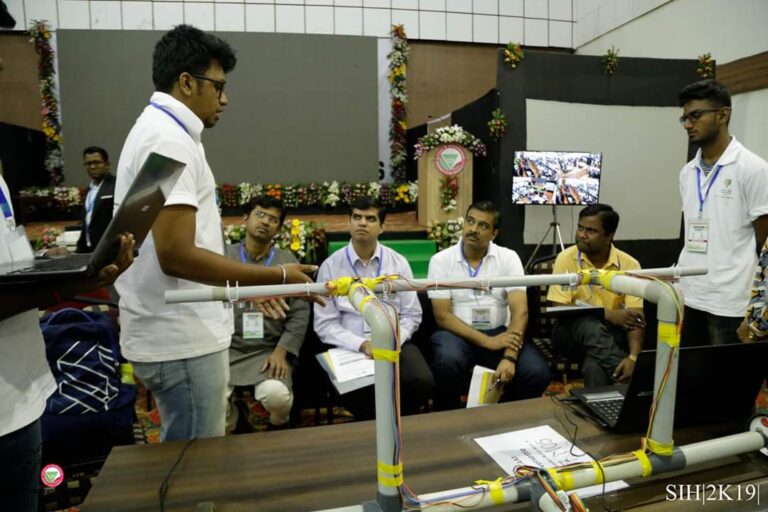
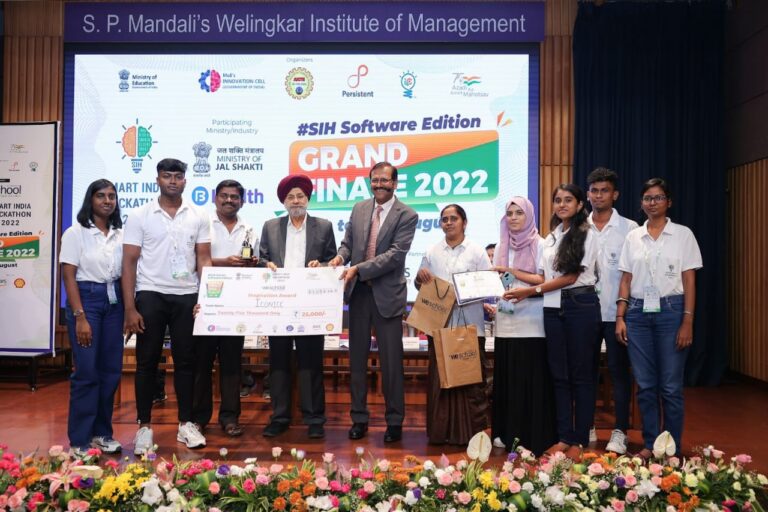
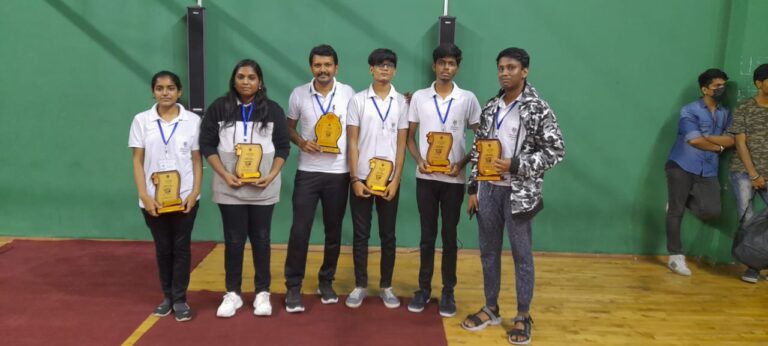
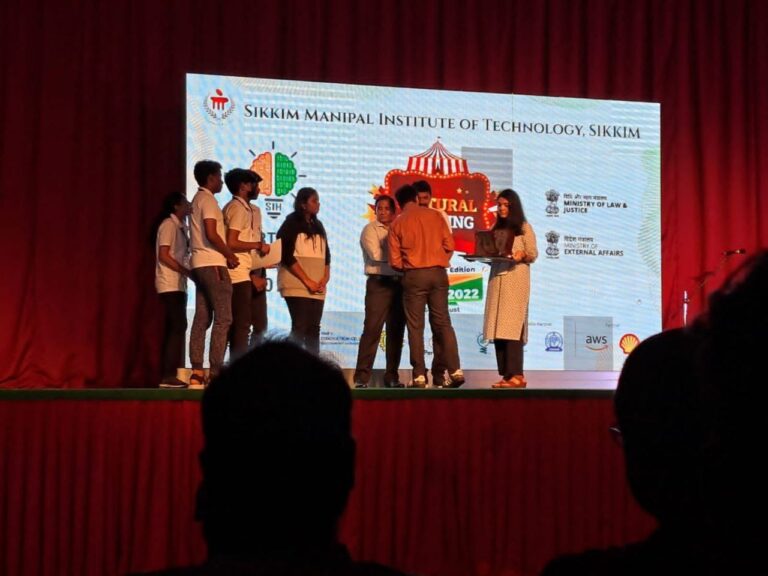
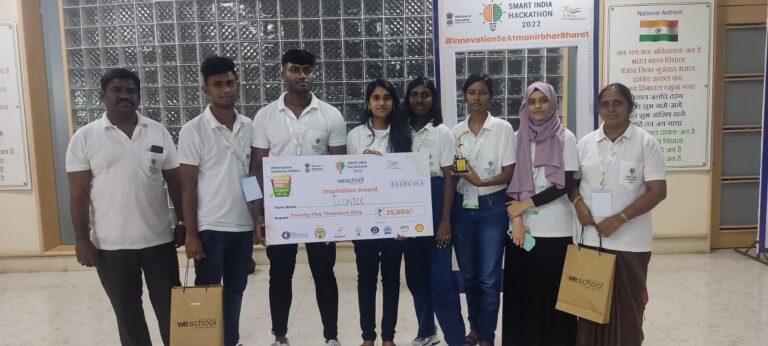
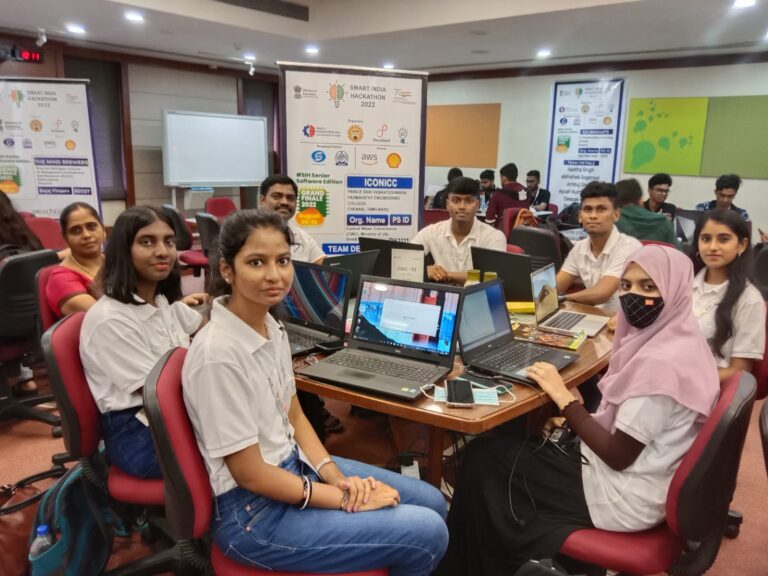
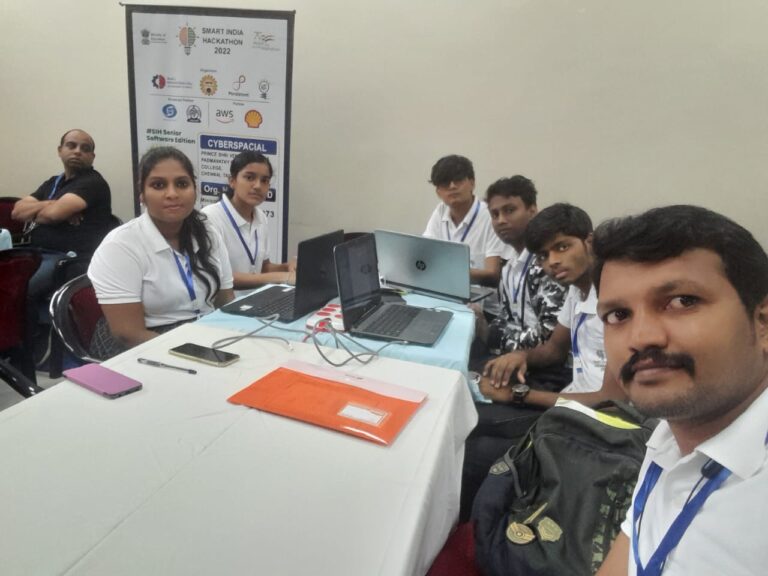
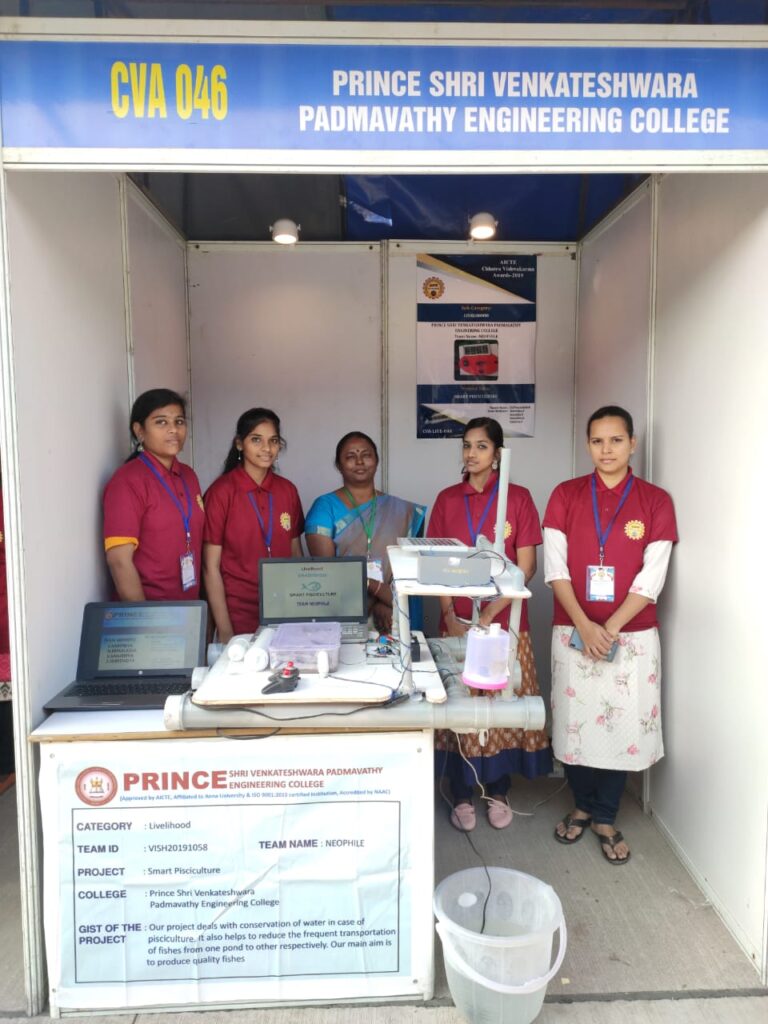
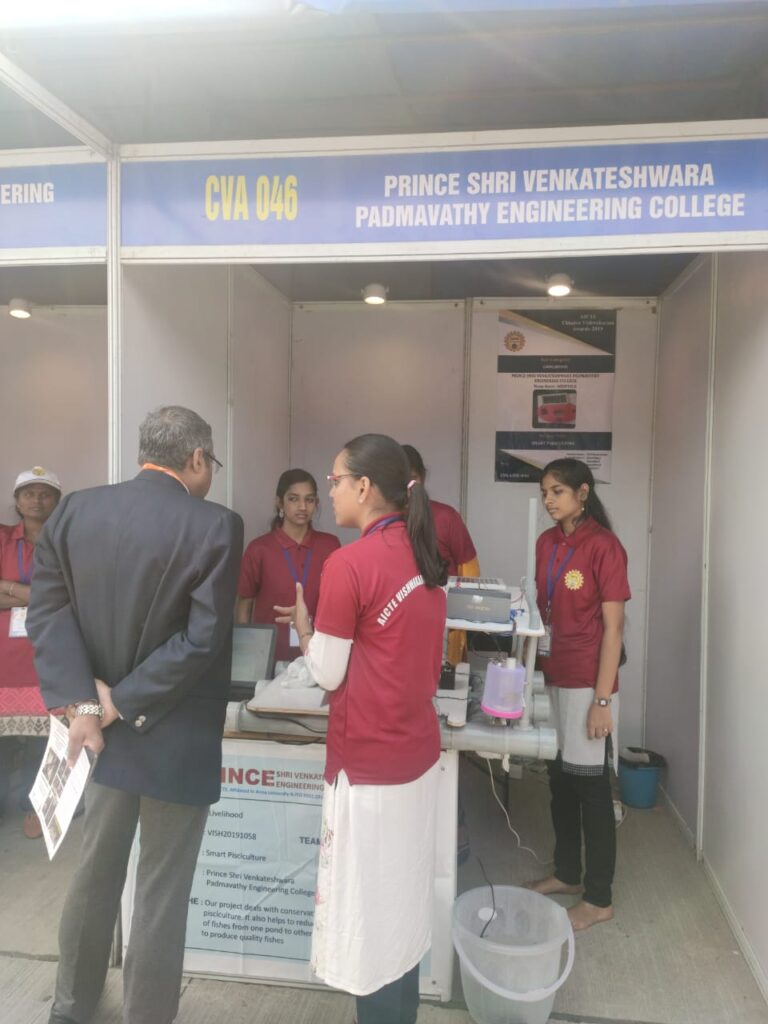
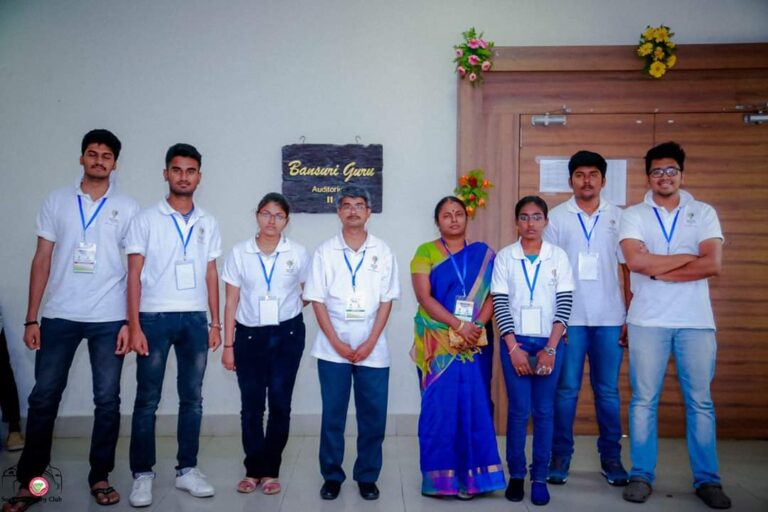
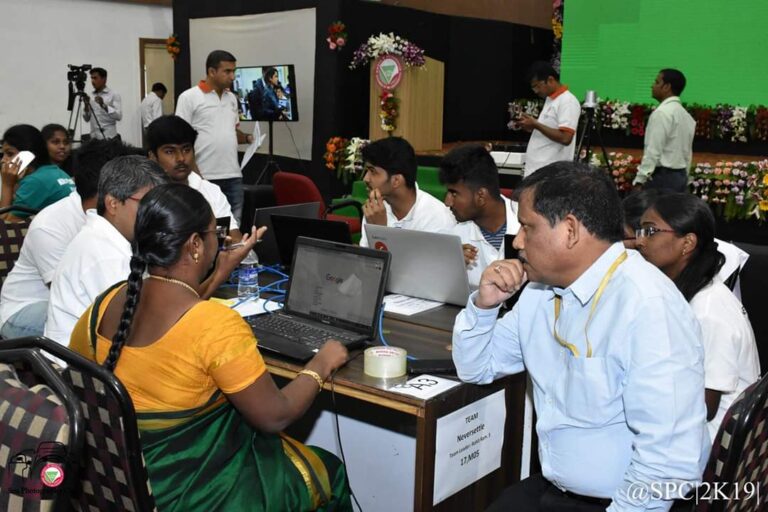
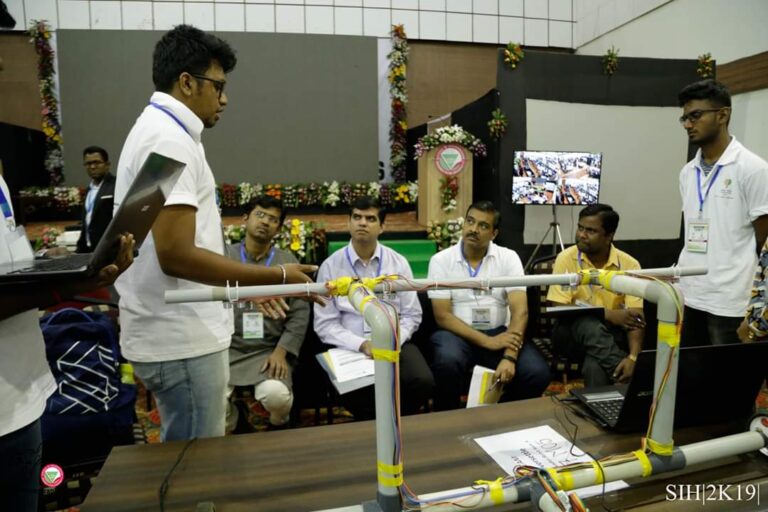
The Department of Computer Science and Engineering takes pride in organizing Technical Symposiums and attended Hackathons that provide a dynamic platform for students to ideate, innovate, and implement. These events nurture creative problem-solving, team collaboration, and real-time coding skills essential for future tech leaders.
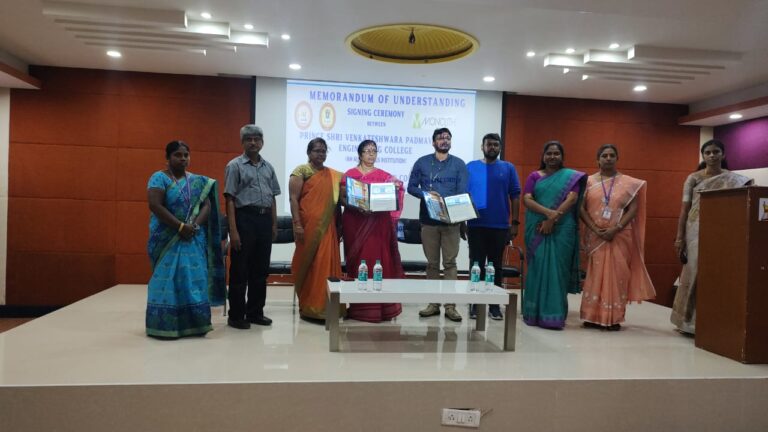
Industry Connect
Connecting Classroom Learning with Industry Practice
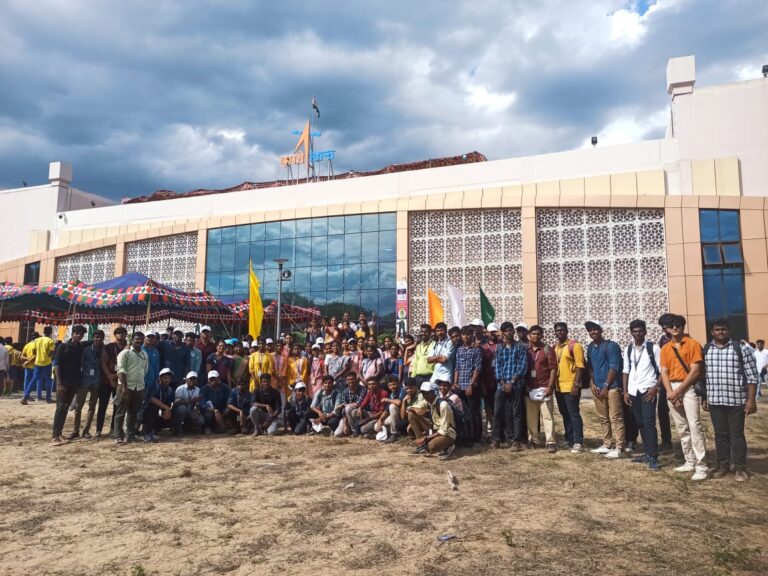
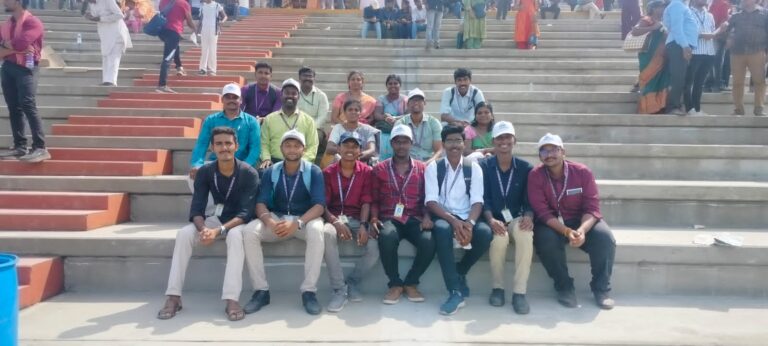
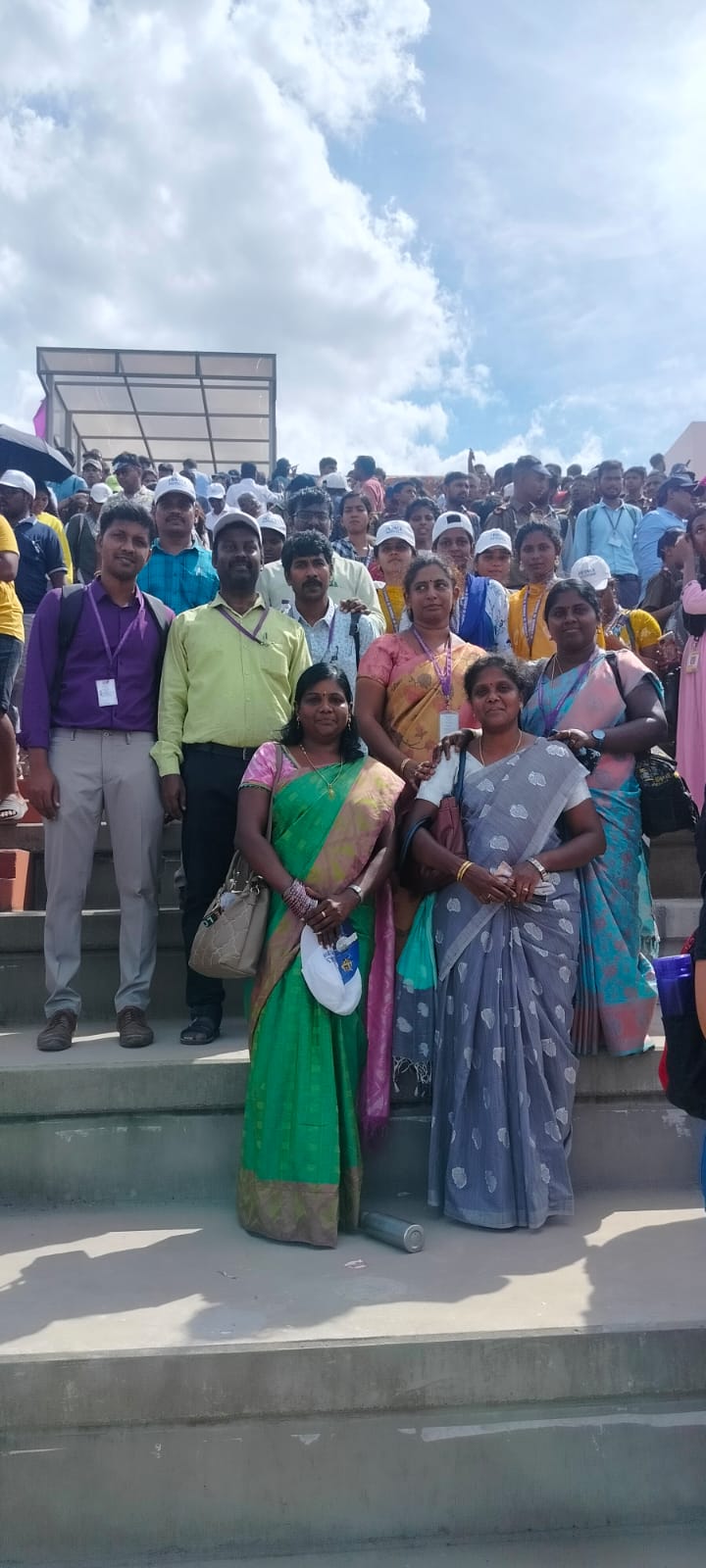
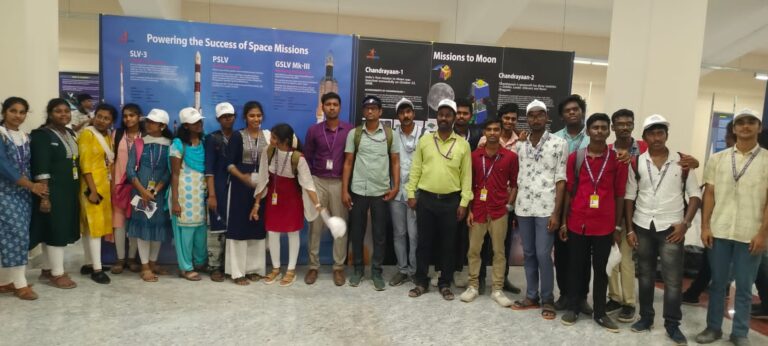
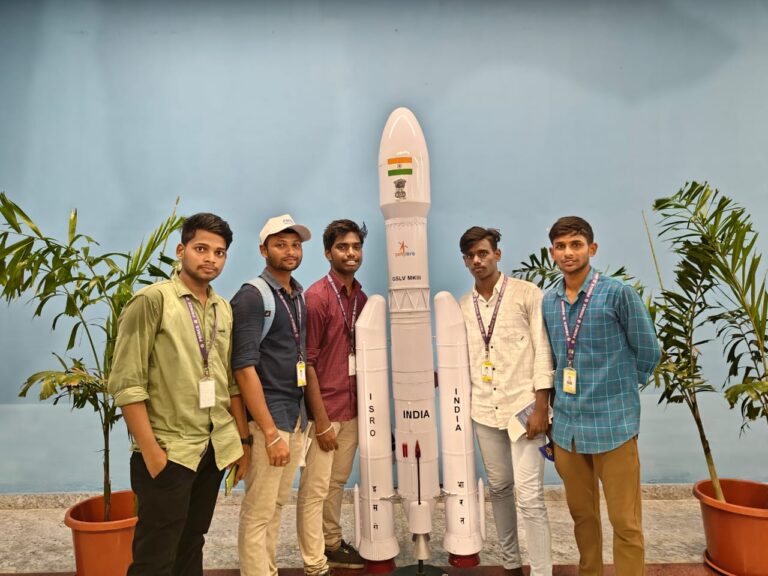
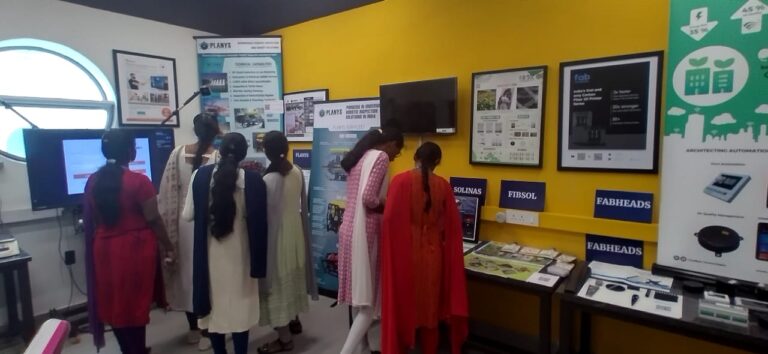
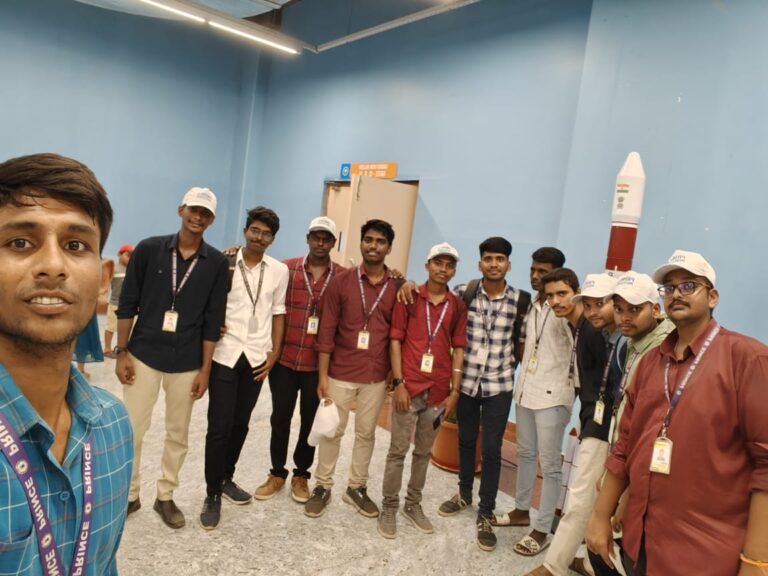
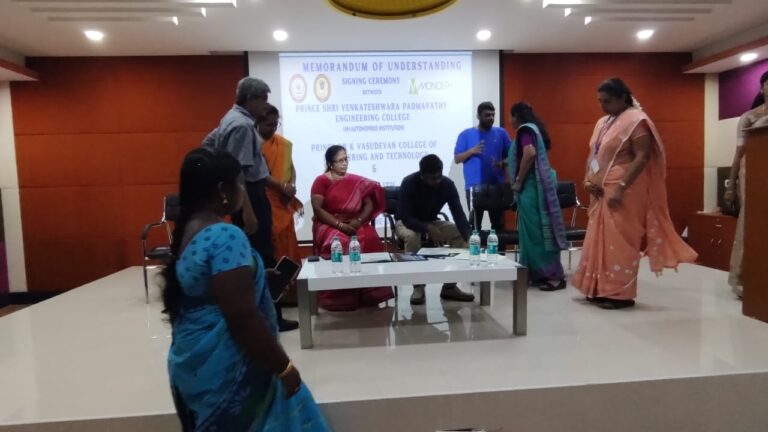
The Department of Computer Science and Engineering organizes regular industrial visits to leading IT companies, startups, and tech-based organizations to provide students with real-world exposure beyond the classroom.
These visits help students:
-
Understand corporate work environments and technologies in action
-
Learn about industry practices, software development cycles, and quality standards
-
Interact with professionals, developers, and project managers
-
Discover various career paths in software development, data analytics, cybersecurity, and emerging tech
-
Gain insights into company culture, innovation ecosystems, and current trends
Infrastructure
Department of Computer Science and Engineering
Empowering Innovation through World-Class Facilities
The Department of Computer Science and Engineering at Prince Shri Venkateshwara Padmavathy Engineering College is equipped with state-of-the-art infrastructure that supports advanced learning, hands-on experimentation, and cutting-edge research.
International Collaboration
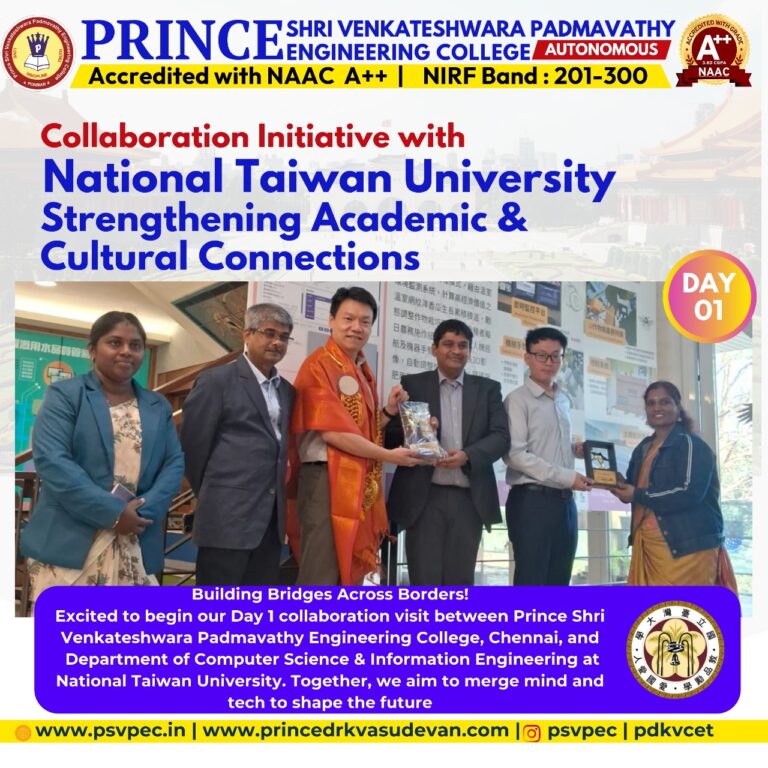
In Collaboration with National Cheng Kung University, Taiwan
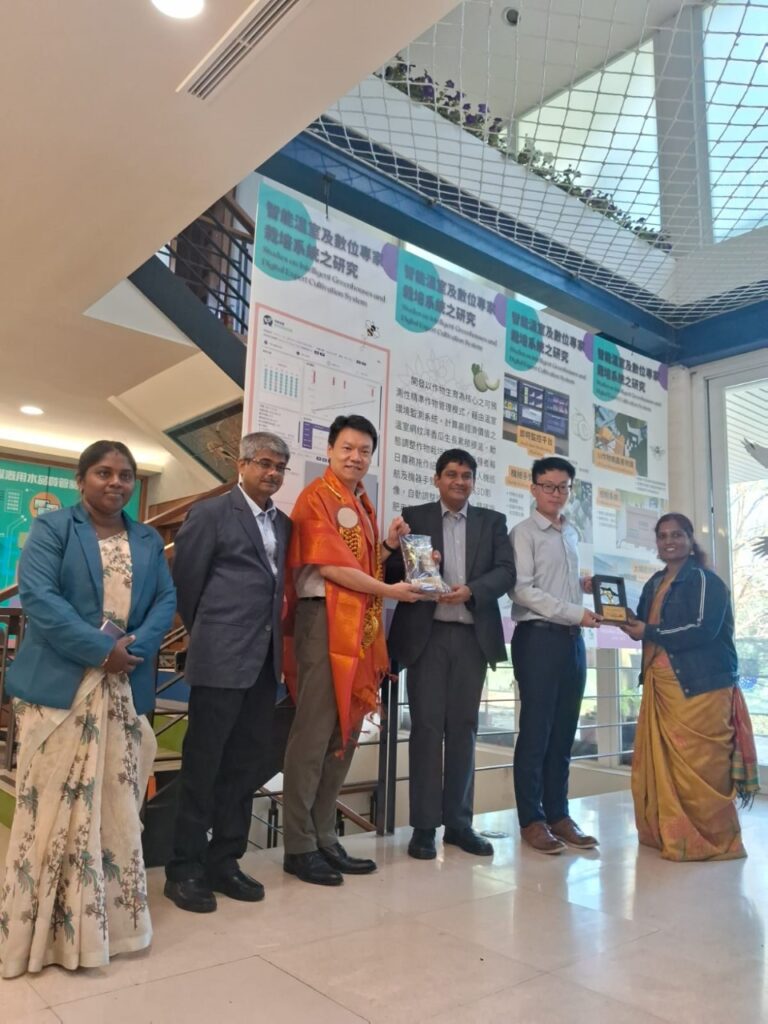
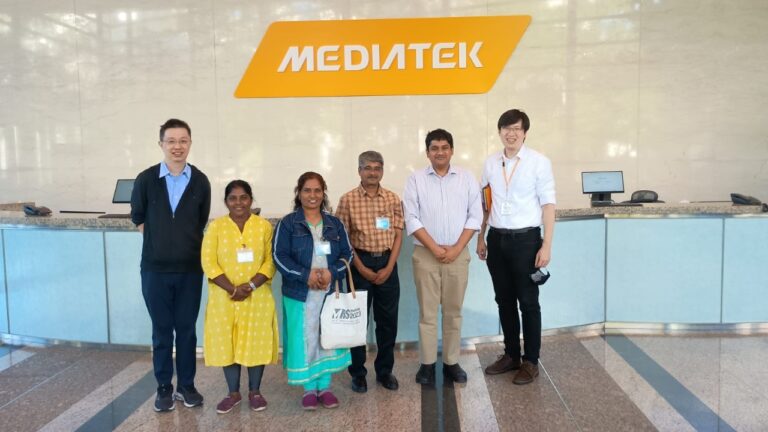
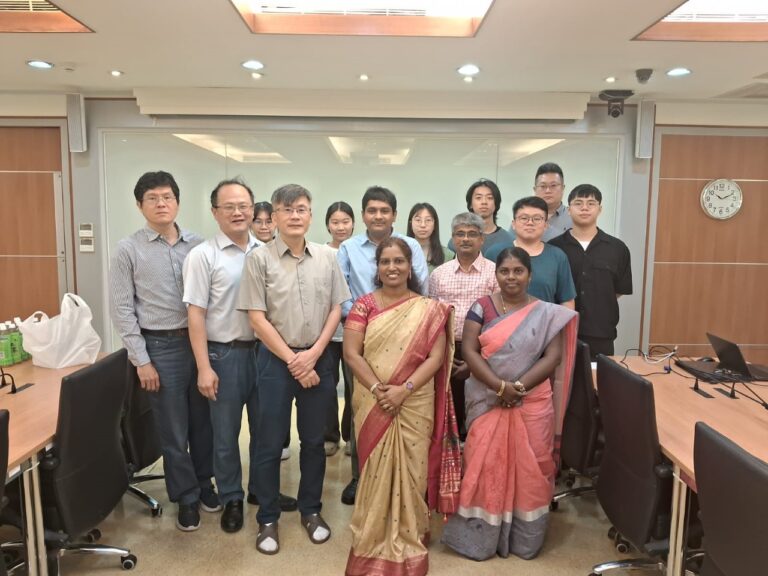
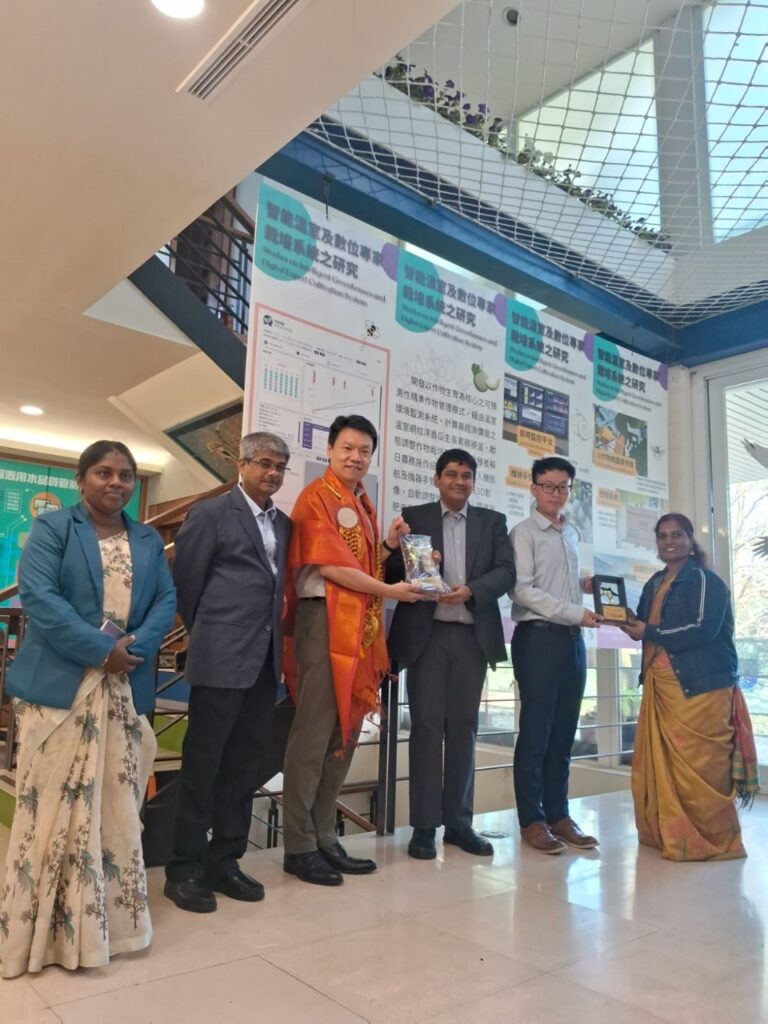
The Department of Computer Science and Engineering at Prince Shri Venkateshwara Padmavathy Engineering College is proud to foster global academic partnerships. One of the significant milestones in our internationalization efforts is the collaborative engagement with National Cheng Kung University (NCKU), Taiwan — a premier research-intensive university known for its excellence in science, technology, and innovation.
Agile Assembly
Agile Assembly is a student-led initiative rooted in agile principles—emphasizing modular, iterative development, continuous feedback, and teamwork—to build software and hardware solutions that address internal needs (like academic tools and lab management) and external societal challenges. The portal supports the entire college community by offering streamlined access to resources, collaborative platforms, performance analytics, lab scheduling, campus navigation, attendance systems, and research funding/incubation support .
Guided by mentors—such as Dr. D. Venkat (Agile Director & Founder) and other faculty coordinators—the team carries out fully end-to-end projects. Students lead idea generation, development, deployment, and iteration, honing skills in technical development, project management, and leadership. Flagship solutions include the Smart Campus Navigation System, Automated Attendance Tracker, Integrated Laboratory Management System, AI-powered tutoring modules, blockchain-based certificate systems, and virtual campus tours, reflecting both academic innovation and broader societal impact .